

Three Countries, One Band: An Interview With Colombia’s Dumb Band
By Staff | February 17, 2026
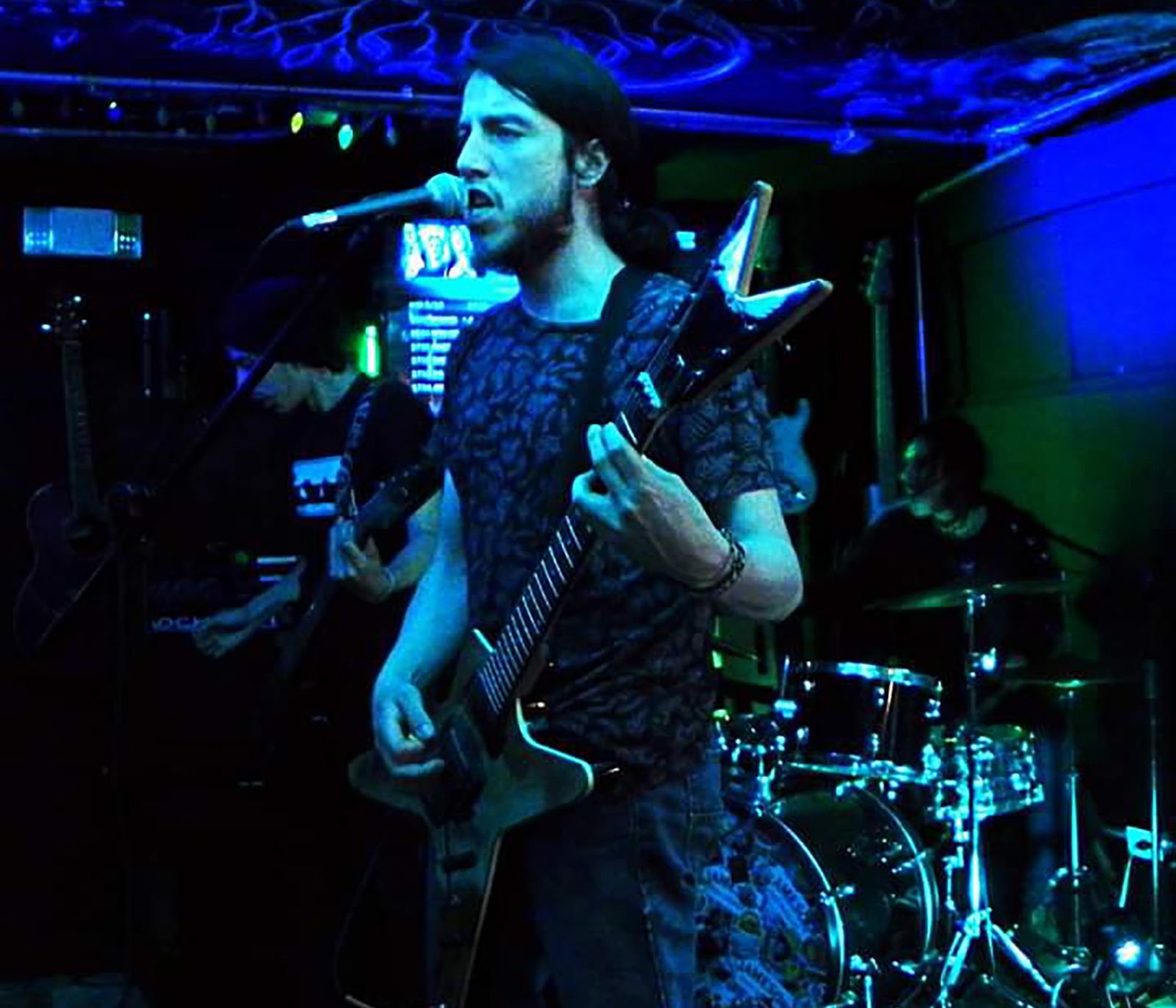
Hailing from the complex cultural landscape of Bogotá, Dumb Band operates as a defiant alternative to commercial fast-food music, reclaiming the word "dumb" as a badge of honor for those who refuse to fit societal molds. Deeply rooted in the revolutionary spirit of Roots Reggae and the raw honesty of Nirvana, the project treats different genres like vast, ego-free universes, often utilizing progressive technicality—think odd time signatures, drop D tunings, and mathematical patterns—to create an immersive, numerical experience. Whether they are translating lyrics across time zones for international collaborations or channeling the heavy social scars of Colombia into haunting tracks like "Death Song," their mission remains a singular, introspective one: to provide a soundtrack for rebirth and resilience in a world that often favors the predictable over the profound.
Your music explores parallel realities, complex numbers, and the universe. Why choose the name Dumb Band for a project that is clearly so intellectually and sonically dense?
The real story behind the name DUMB BAND has its roots in a Nirvana song. For us, the meaning of this name is a critique of society. What doesn’t follow social currents and stereotypes is often called dumb or weird. We are an alternative expression to what is socially commercial.
You’ve traveled from the dirt of Sludge and Grunge to the space of Psychedelic Rock and Prog Metal. What is the common thread that connects a Sludge riff to a Roots Reggae rhythm in your mind?
The different types of music for Dumb Band are like planets or universes. Each one contains distinct sounds and messages worth exploring without prejudice or ego. This gives us more tools when creating music. Roots Reggae was a revolutionary and critical genre.
How does the energy of Bogotá—a city known for its chaotic beauty—influence the experimental laboratory feel of your music?
Bogotá is the capital of Colombia. This means a huge mix of cultures, races, problems, and also good things, like any capital. Major events have left social scars that have become part of Dumb Band’s songs. For example, Venus speaks of a murdered social leader that unleashed a civil war in Colombia. “How can you be an artist and not reflect the times?” -Nina Simone. Sure, Bogotá is part of this!
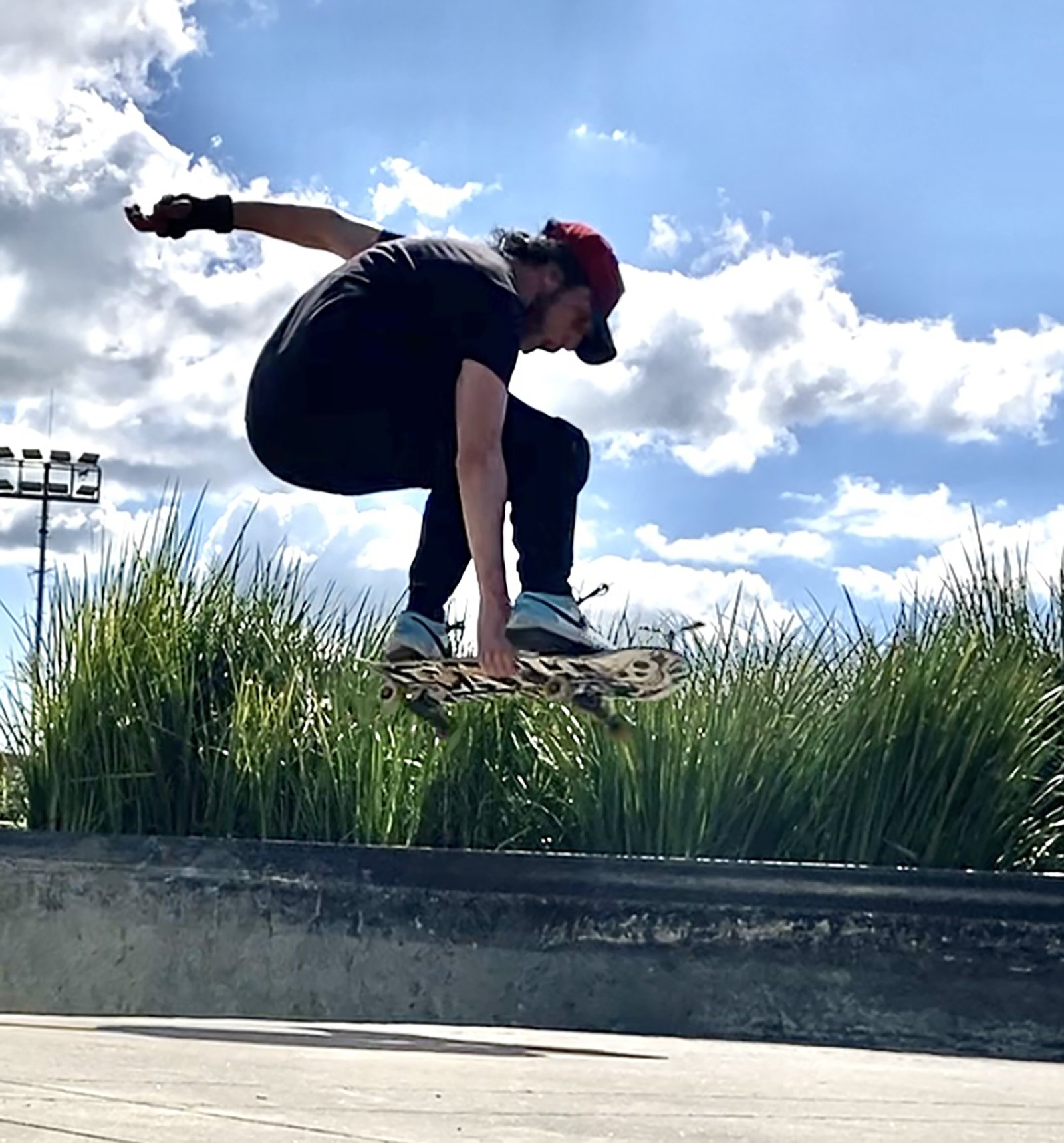
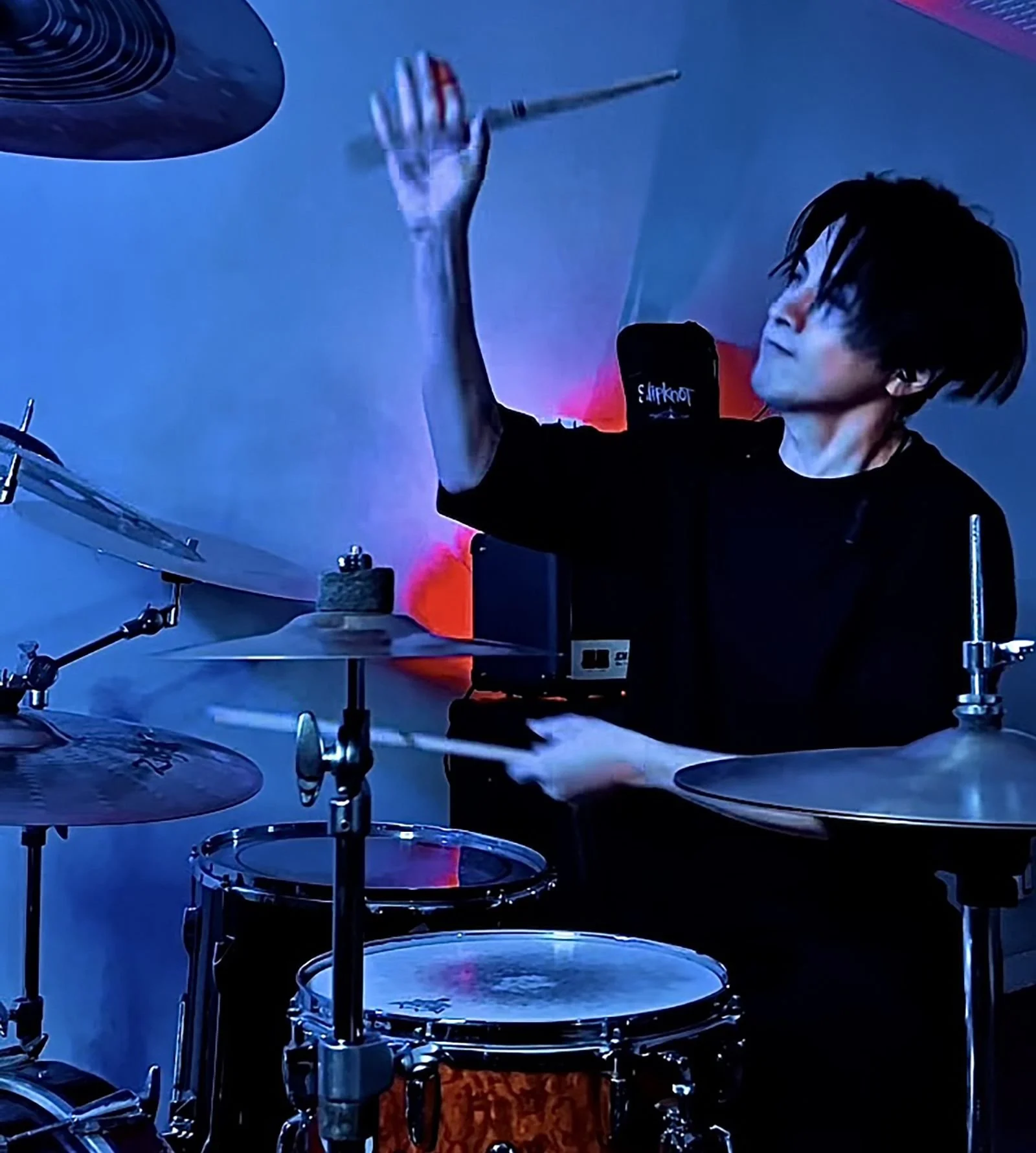
You’ve brought together Hisashi (Japan) and Dns Eric (China). How did this Tri-Continental collaboration come to be, and how did you manage the creative process across such different time zones and cultures?
Night is part of the creation of our music. So while it was daytime in Japan, during Bogotá’s nights I worked on the song. Basically, I used a translator to write in Japanese. Likewise, Hisashi and Dns Eric wrote to me in English. Always with a great attitude to collaborate. This helped a lot.
Music is a universal language, but every culture interprets intensity differently. How did Hisashi’s Japanese drumming style and Dns Eric’s Chinese synth textures change the original vision you had for Death Song?
Honestly, each one brought their style with total freedom. They are very good artists at what they do. I just knew that whatever they did would turn out well. This song was created without pretension. We just let it be, and that’s why it has a unique energy.
Death Song views death as a step in life rather than a negative conclusion. Was there a specific moment or realization in your life that shifted your perspective on mortality this way?
In reality, I never knew I was making a song about death. Only at the end, when I started recording the vocals, did I realize it. At that moment, I got really scared and remembered where it was composed and that everything revolved around death. That made finishing the song harder.
You’ve mentioned using music to challenge habitual thinking. What specific musical patterns (time signatures, scales, or structures) did you intentionally break in this new release to keep the listener’s brain on its toes?
I think I would answer with our song Resiste. It speaks about following your dreams no matter how hard it is. It’s about being reborn every day and continuing to try for what you want. That’s the mark Dumb Band seeks to leave in this sometimes cruel universe.
You mention that numbers play a role in your music. Do you use mathematical concepts when composing, or is it more of a conceptual influence?
Dumb Band’s music is very numerical. The universe operates with numerical patterns everywhere, and we put that into practice in our music. Starting from tunings in 432 kHz or 440 kHz, constantly variable metrics, usually odd ones like 3/4, 6/8, 5/8, polyrhythms, that last hit of the bar almost out of tempo. Basically, we seek to give the listener an experience beyond music itself.
Why did you choose YouTube as the primary platform for this release? Should we expect a visual journey that matches the parallel reality theme of the audio?
YouTube is a global platform, very well known, that allows us to reach all kinds of audiences. And in a way, it avoids supporting other very famous platform with questionable backgrounds.
At 7:00 PM on February 6th, when the world finally hears Death Song, what is the one frequency or feeling you hope lingers in the listener’s mind after the track ends?
Perhaps to generate the sensation that you’ve just listened to something new and different to understand, with an introspective message about each person’s life, with the possibility of changing something for the better.
Anyone you'd like to thank?
Hisashi, Dns Eric, Geraldine, Line Up Studios, Huella Latina, knifetwister records, and especially, thanks to all the people around the world who listen to and follow this project.