

A Wake Up Call: An Interview With Pittsburgh’s Spitbite
By Staff | February 17, 2026
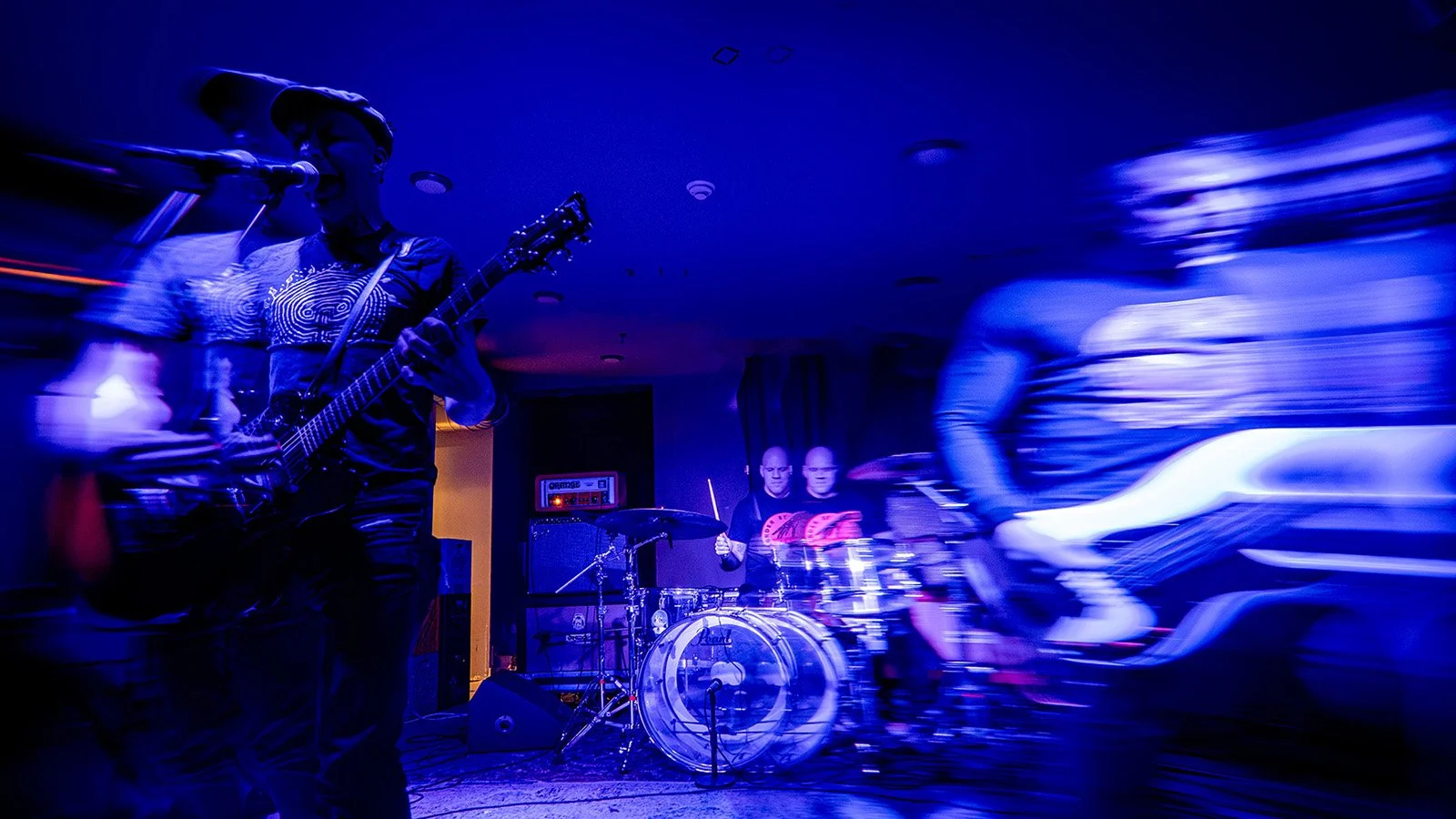
Photo credit: Russ Johnson
One of them is a professional chef who has appeared with Gordon Ramsay. One of them studied jazz composition at Berklee. And one of them handles dead bodies for a living.
Spitbite has been a part of the Pittsburgh scene for close to two years, and just released their first 7-inch last week. As a band, they are virulently anti-fascist, and dedicated to local action and community. The single was recorded in Pittsburgh, printed and pressed in Pittsburgh, and features original paintings from a Pittsburgh artist (the band adheres to a strict no-AI policy). The A-side “Final Form” is dedicated to their trans friends and family members, and has been already released digitally, The new B-side "The Bond" was inspired by reading about the California redwoods that fell to the recent wildfires, after surviving normal fires for centuries. There are also references to the indigenous American peoples, who also lived on this continent for hundreds and hundreds of years in balance with the land. They feel strongly about the effects of human-made climate change and hope that a better trajectory can be found.
Welcome! You’ve mentioned a dedication to local action. How does the band move beyond the lyrics to ensure Spitbite is a functional part of the Pittsburgh community’s safety net?
We make it clear that our shows are safe spaces for all people to gather, especially those who are being so victimized right now, like the trans community, and immigrants. We also make it obvious in our public-facing documentation that we are anti-fascist and committed to equality, which in Pittsburgh loses us followers and also some shows. There are venues and bands here that are known to have racist views, in particular, and we won’t support them.
Hands-on activism is a personal matter for each of us. But it’s in the lyrics, as well as our communications, that we wish to make a difference.
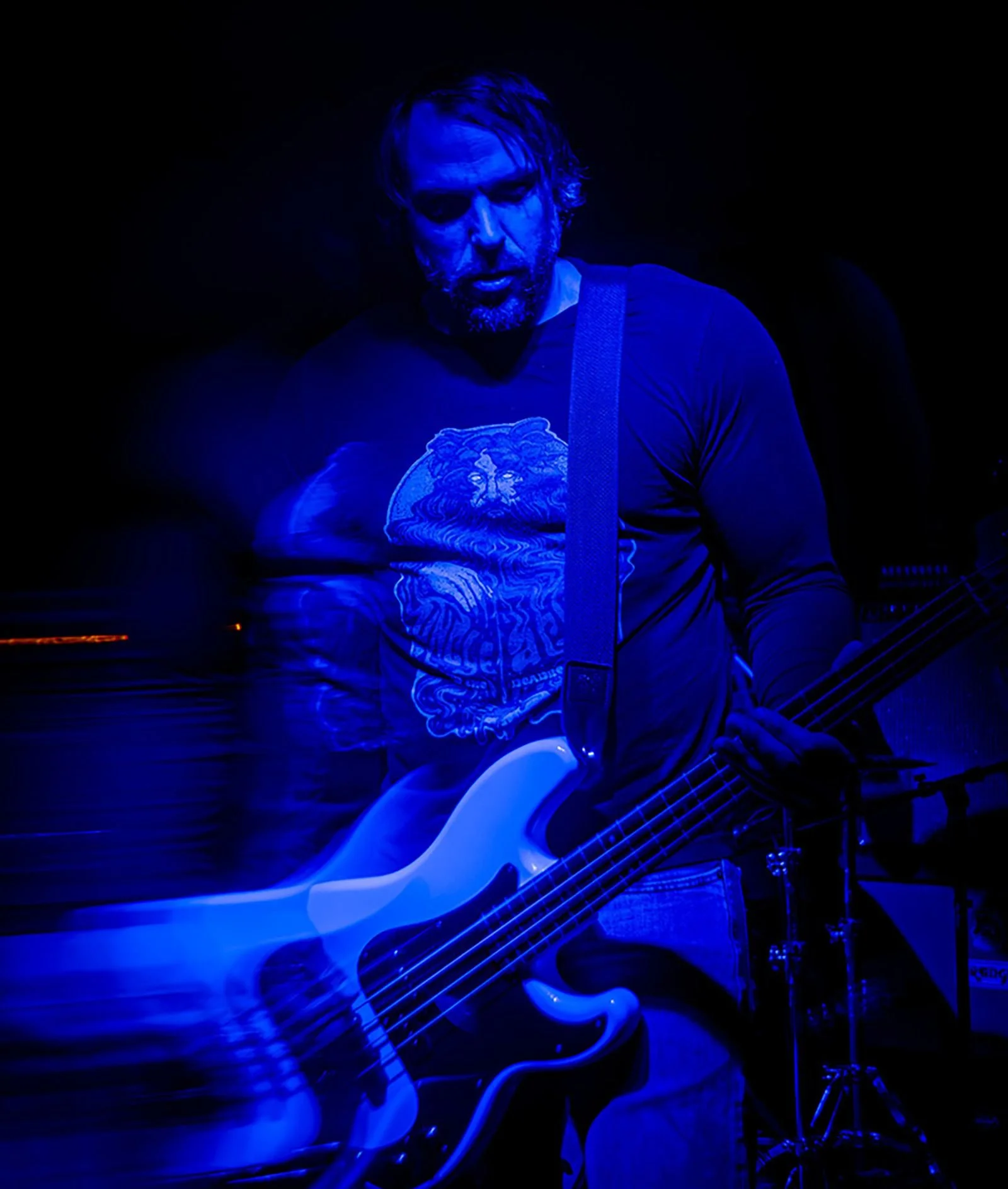
Pat - Photo credit: Russ Johnson
You have a professional chef, a jazz scholar, and a death care professional in the room. These are three disciplines that require pretty immense precision. How does the intensity of these day jobs find its way into the rehearsal space?
Each of us is capable of - and maybe a predilection for - very high focus, and that’s the way we approach the music. We’re not the kind of group that treats rehearsal as a social event, we’re not cracking beers and hanging out all night. We all come prepared, and we always rehearse at full volume and full intensity, often only for an hour or so, blowing through our songs like we were at a gig. We don’t do a lot of jamming. When we’re working on new songs, we’ll try various things, but usually after discussing ideas for what could happen.
You’ve taken a hard "No AI" stance for your visual identity. What is it about AI art that clashes with your band’s message or morality?
AI generates content based on existing material – it doesn’t actually make a thing. Handy for answering a history question, perhaps, but antithetical to creating art of a personal and creative nature.
Besides obvious moral issues – the enormous power demands, and the uncredited use of true artists’ work – the whole point of this project is to make our own music. We play and sing what we write, and have no interest in playing AI-generated or assisted music, or involving that in artwork, or anything else. You need real people to create real art.
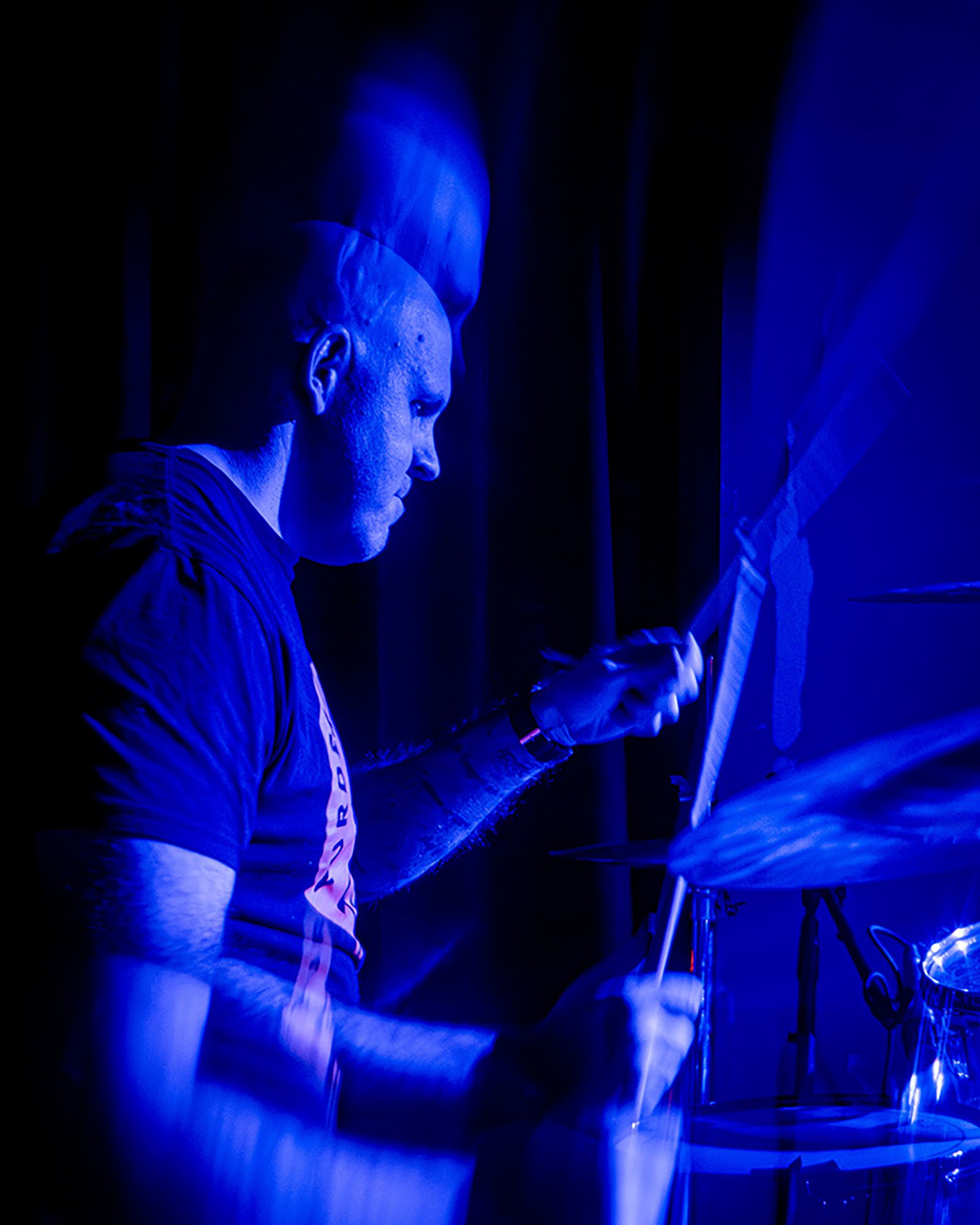
Jesse - Photo credit: Russ Johnson
You’ve ensured every step of this 7-inch—from the tracking to the pressing to the cover art—remained within Pittsburgh. Why was it a non-negotiable mission for you to keep the entire supply chain within the city limits?
We want to build and support our own community. So whenever possible, we try to invest our resources locally, and have our work arise from the place that we live.
"Final Form" carries the heavy line: “When you have to kill the mask, or you will die in it.” Beyond the specific dedication to your trans friends and family, how does this philosophy of killing the mask dictate the way Spitbite operates as a band?
We don’t pretend to be something we’re not, and we don’t aspire to an established genre or look. We have no patience for the various personas that bands frequently adopt, like references to a certain decade, visuals that typically fit a certain genre, celebration of weed or alcohol, etc. There’s a place for theatricality in music, sure, but it’s gotta be genuine and original. We are, simply, three people who come together to make music, and we’ve all been doing it long enough that we have no interest in the extraneous bullshit.
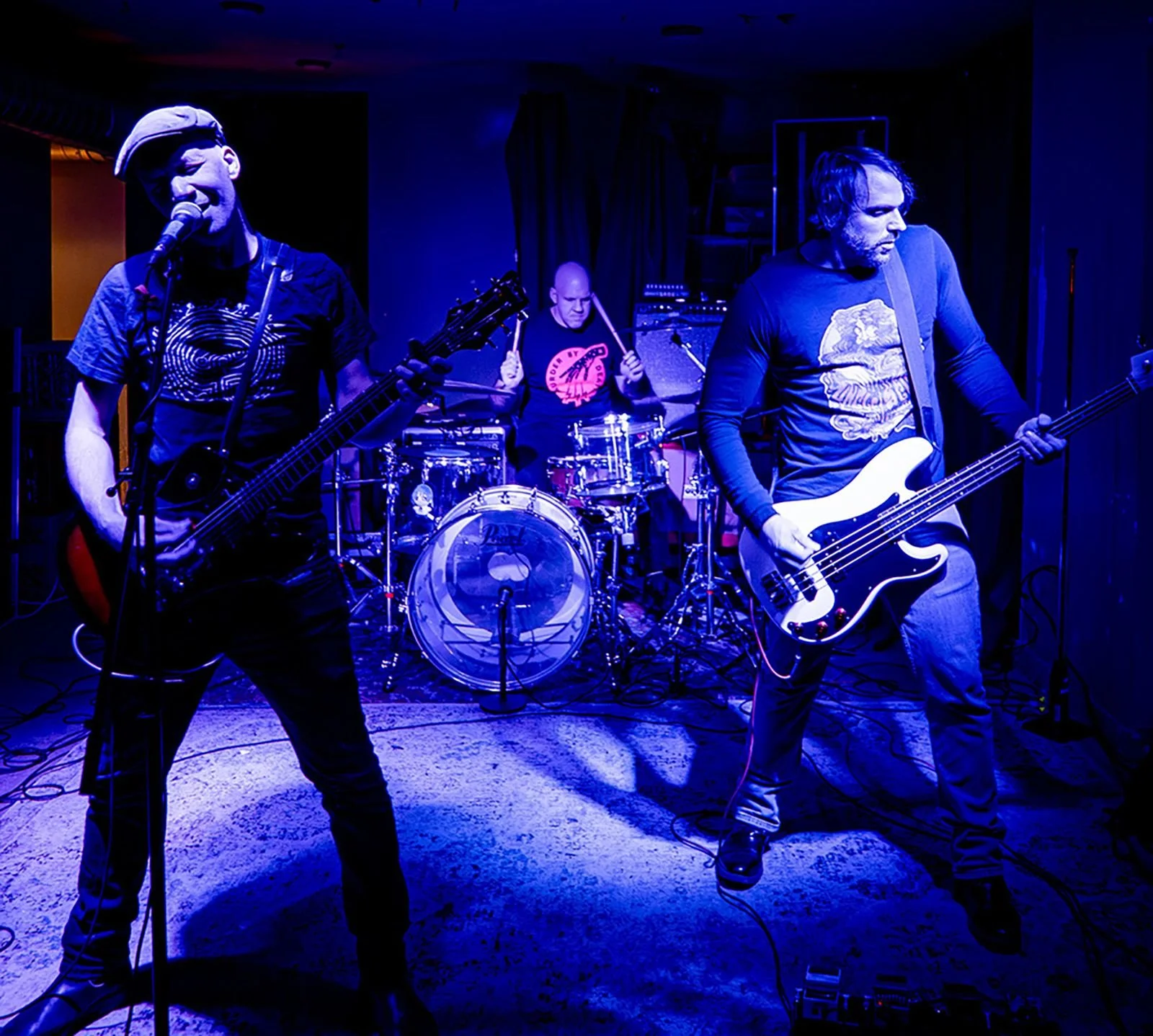
Photo credit: Russ Johnson
"The Bond" draws a direct line between the destruction of the redwoods and the displacement of Indigenous peoples. Do you see your music as a form of protest against climate change, or is it more of a sonic document of the "history that will hate us"?
It’s a wake-up call and warning, to raise awareness and spur actual thought and action. In that sense, it may be a type of protest song, but as our bassist Pat has stated, our work can be interpreted more objectively than the typical protest.
Working with the deceased provides a perspective most people spend their lives avoiding. How does the literal proximity to death influence the "No Tomorrow" themes found in your B-side?
There isn’t a connection between that work and the song, but to be clear, the line “No tomorrow will take us” is really a warning, not a nihilistic, hopeless statement. The original (and easier) title was going to be “No Tomorrow”, but that felt far too pat, even misleading.
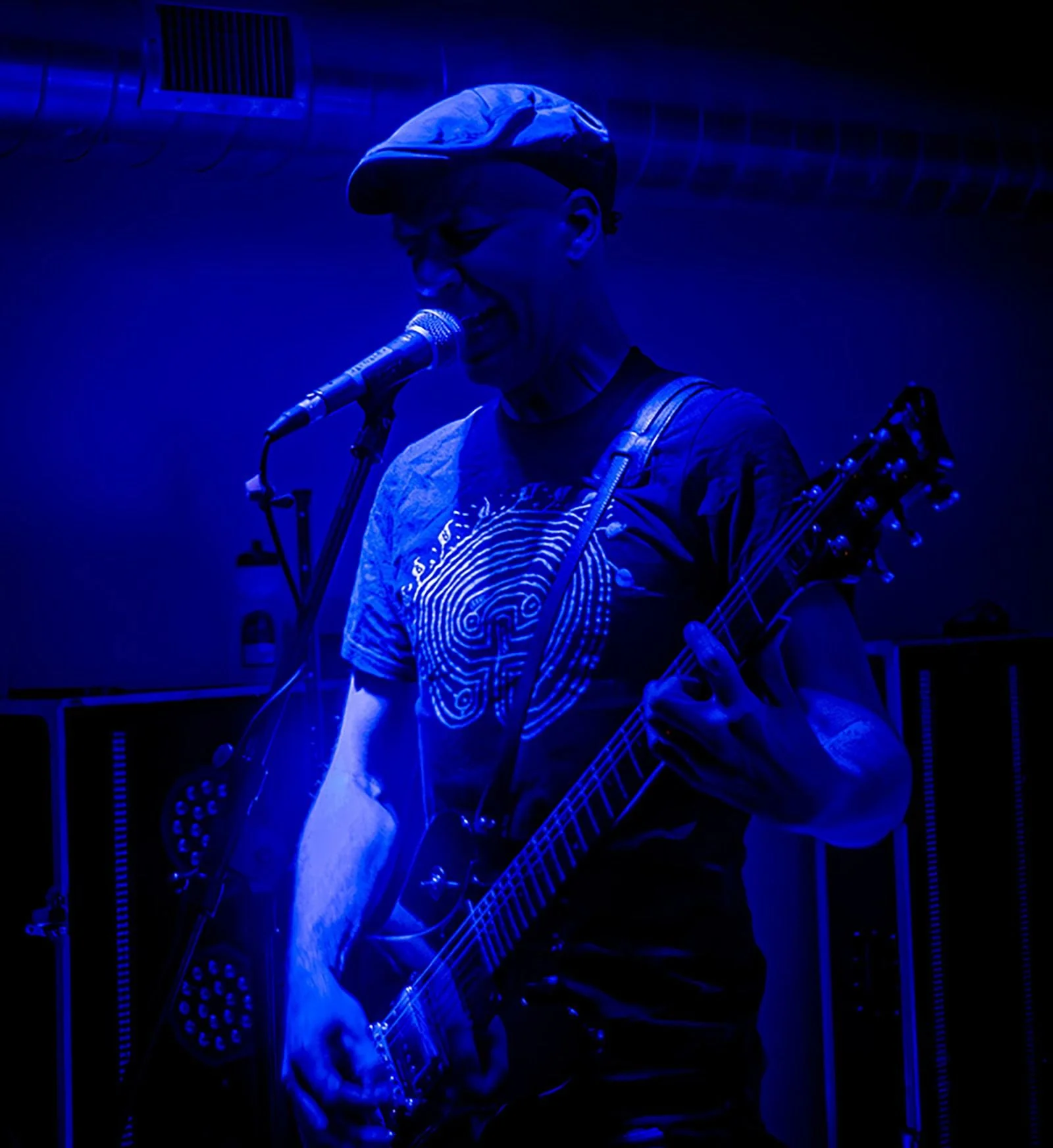
Daryl - Photo credit: Russ Johnson
Releasing your 7-inch on February 13th is a tactile, permanent statement. What do you hope a listener feels when they hold the physical weight of this record and see the original Pittsburgh-commissioned paintings for the first time?
I hope that they feel our connection to the place we live, and our commitment to what we are trying to convey. And hopefully our intent and viewpoint comes across, musically and lyrically.
Anyone you'd like to thank?
We owe enormous gratitude to our families for their ongoing support, which we’ll keep private. But publicly we’d like to thank our local entities for their work:
Adam C. Rousseau who created the paintings featured on the new single, Matt Very, at Very Tight Recordings, who has recorded everything we’ve done so far, and Hellbender Vinyl, who pressed and printed the new single.
Band links
Official website: https://spitbite.band
Bandcamp: https://spitbite.bandcamp.com
Instagram: https://www.instagram.com/spitbite_pgh