

The Last Punkers: An Interview With Poland’s BANG BANG
By Staff | January 12, 2026
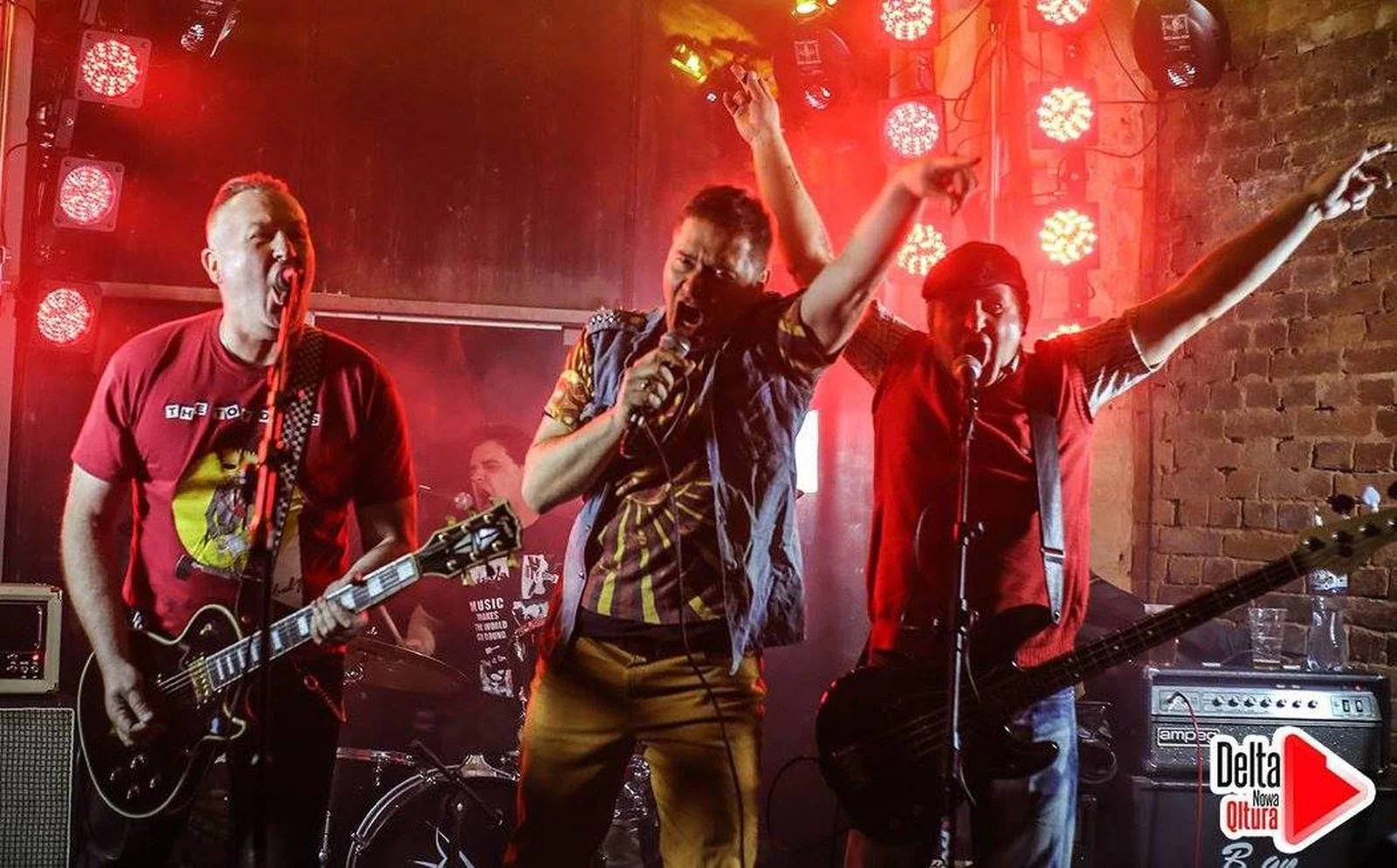
BANG BANG is a veteran fixture of the Polish music scene, having maintained a continuous presence as a punk rock outfit for nearly four decades. Emerging from Legionowo, a town near Warsaw, shortly after the 1977 British punk explosion, the group established a signature sound rooted in the genre's original wave while navigating the challenges of martial law and the eventual transition from communism. The members describe themselves as mental punks whose longevity is fueled by an addiction to using music as a tool for social critique and rebellion.
The band's evolution has been marked by a strong DIY ethic, shifting from early unofficial cassette releases to more polished studio albums like their 2024 project, The Last Punker, which offers a mature, nostalgic reflection on global tragedies and the transience of life. Over the years, their lineup and sound have been influenced by diverse experiences, including a stint playing covers in pubs and the melodic contributions of female vocalist Monika ("Lidka"). Beyond their music, the group remains committed to social activism through the "Music Against Racism" movement, aiming to use their platform to unite listeners and reach a new generation of fans globally.
Why do people play punk rock in Poland? Your country is still more seen as a native place for Polkas.
Punk rock was born in Poland a few years after the British 77 revolution. At the beginning of the 1980s we had in our country the marital law. Repressions and censorship. It was a moment in time when everybody was a rebel. A part of the young generation took the punk way which allowed us to express disgust with the world which was around us. Years were passing, the world was changing but this spirit remained in the society. There are newer and newer punk generations which still do not accept the surrounding world, the ways of thinking and acting. As the band has existed now for 37 years we are the witnesses of this continuous rebellion.
You are often cited as one of the longest-running non-stop punk bands in Poland. What has been the secret that kept the band together and active for over three decades while so many of your peers disbanded?
With time we became “mental punks”. It is simply in your veins. There is always something to comment on, to criticise, to rebel against. The world is continuously provoking us. Making music became for us a way of expressing our disappointment and delusion. We can risk saying that we got addicted to it. There have been personal changes but there is always a team of fans and as long as they do exist we will be performing and creating new staff.
BANG BANG’s origins are deeply intertwined with other local Warsaw area bands. Looking back at 1989 beginnings, how did the specific '77 punk sound that Bang Bang became known for shaped?
Poland is a place the size of New Mexico with around 30 punk festivals yearly and a lot of punk bands playing different genres of punk. In 1989 playing punk 77 with roots in the first British wave of punk was rare. In our town of Legionowo some 20 miles from Warsaw this kind of music was listened to a lot. With time a certain local rivalry between bands playing similar music made us more focused. There were also local concerts where UK bands like UK Subs, Vibrators, the Bones, One way system were coming to Poland and we were performing with them. After that many years we are still loyal to this music genre.
While you are proudly from Legionowo, you are often associated with the Warsaw scene. How has the proximity to the capital influenced your opportunities as a band, and do you feel Legionowo provides a different vibe or inspiration for your music compared to the Warsaw city center?
The Warsaw punk subculture was always more active with more bands, local radios, independent labels and more concerts. We were obliged to make our own way out. At the times when there was no internet it wasn’t the easiest, for sure. On the other side we were always benefiting from this proximity by being able to play gigs regularly in the capital city. Living in the outskirts of the capital makes you a fighter, for sure.
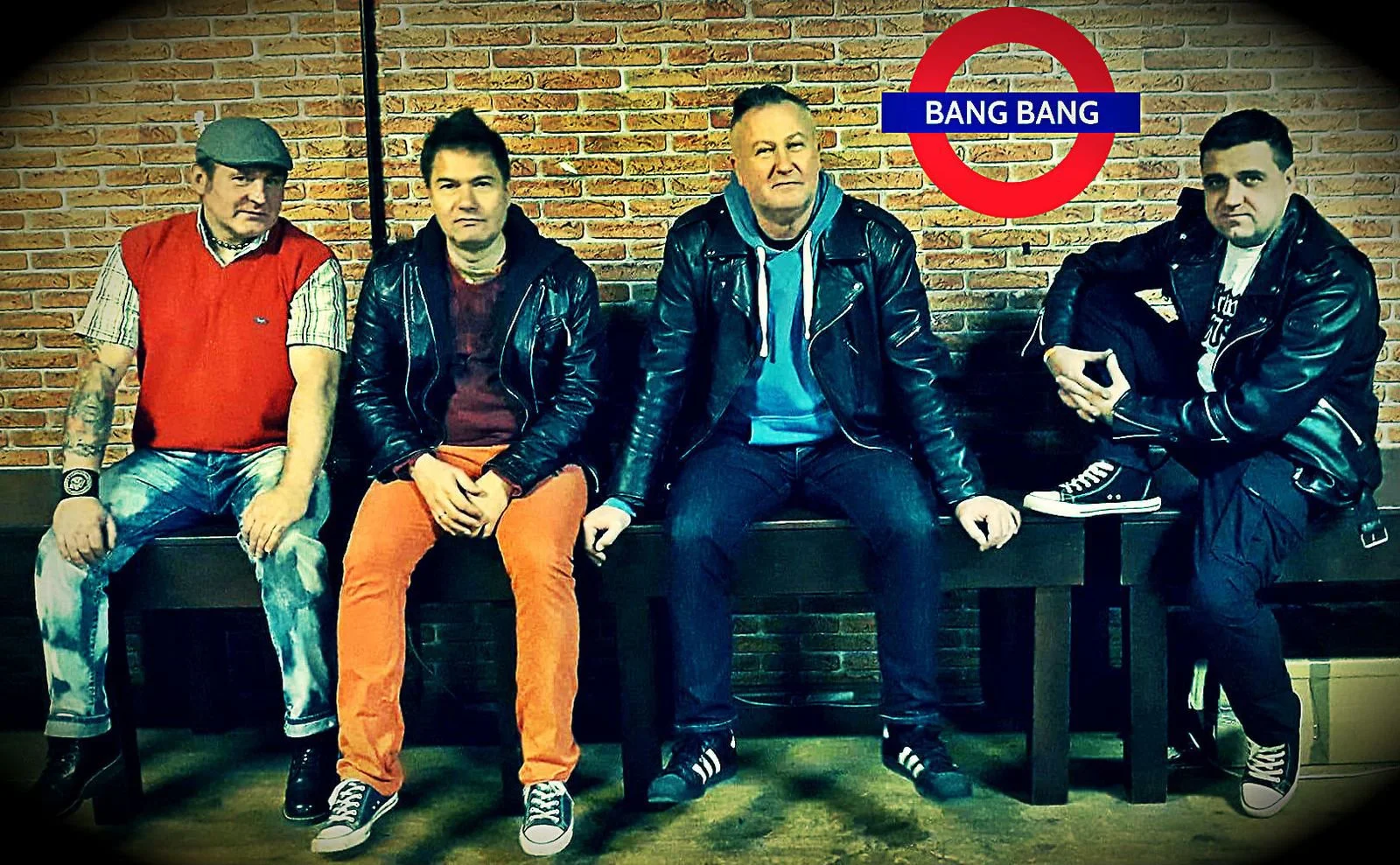
In 2015, you started the "Punkosaurus" project, focusing on English-language songs from the 1970s. What did playing those original classics teach you about your own songwriting, and why was it important for the band to revisit the roots of the genre in such a formal way?
While playing concerts we noticed that the young part of the public often does not know songs which for us were the punk bible. A long time ago people had those numbers on cassettes and listened to them millions of times. 10 years ago streaming services were not that popular yet and there was a clear musical gap. We decided therefore to form a side project bringing those numbers back to life. Our Ramones cover of Poison Heart made it even to a Polish Ramones tribute album. For us on one hand it was great fun, on the other it triggered us to make the music richer and get out of our usual shell.
Critics and fans frequently refer to Bang Bang as the "Polish Guitar Gangsters." Do you embrace this comparison to the British band, or do you feel it overlooks the more "street punk" and "rock and roll" elements that have emerged in your later albums?
We like journalists and critics and have a lot of fun listening to them ;). We went to a few concerts of Guitar Gangsters and for sure it’s a great band. If I should point out similarities - the four of them are singing, they like rock’n roll and as us they are singing punk songs. There might have been numbers similar to what they are doing but we evolve and go forward.
The inclusion of Monika ("Lidka") on vocals is often cited as a turning point that made the band's sound softer yet more melodic. How did the dynamic within the band change when moving between male-led and female-led vocals, and how did it affect the way audiences received your live shows?
For those 37 years the lead vocal in the band was always male. Monika (Lidka) was in the band at its beginnings, around 1993 and then around 2009. Each time for a few years. She participated in recordings, but mainly as a second vocalist. She did a few covers with us like I can’t stop falling in love with you (Elvis) and the Spanish Porque te vas. Her presence was a trigger to think more about harmonics and the melody. It’s true that from that moment in time we put more of a stress on working the vocals. And of course the female presence always attracts male spectators. Last but not least - she is now married to BANG BANG’s founder and bass guitar player Bogdan ;)
Your 2024 album, The Last Punker, has been called nostalgic punk by some and mature reflection by others. With songs addressing the war in Ukraine and the transience of life, do you feel that punk rock is the best medium for processing these heavy, contemporary tragedies?
Like The Last Mohawk, one day there will also be The Last Punker. The idea of the album came from the pandemics where we got used to the fact that people were dying and we knew some of the victims personally. The world is changing. When we were kids we were fighting for some ideas which also died out. The word has changed and not that much from the initial rebel spirit remains. But what is key is the community of people who have known each other for many years and who are still able to comment on the world that we are still not accepting. And the key question is what will remain from us and our ideas when we die. And the war behind our border is anyway omnipresent in punk songs of many bands. We have built the album around those topics. Of course it was serious and nostalgic. We decided anyway that the next album will be much lighter and positive ;)
It took until 2006 - seventeen years after forming - to release your debut studio album, Tear. What were the biggest hurdles in those early years that prevented a professional studio release, and how did the punk scene's "DIY" ethic help or hinder you during that time?
In the end of 1980s and in the 1990s after the dark age of the communist times the music industry was starting in Poland. There were the first independent radio stations, first festivals. There were only a few bands who managed to make professional records and often they were recording abroad. In the 90ies we recorded two cassette tapes. They were distributed via unofficial channels and during concerts. This is how 95% of bands were doing at that time. And the DIY movement was strong enough to bring this music to people around the country who still remember it.
There was a period where, due to financial problems, the band played in pubs before returning to the pure punk circuit. How did that experience change your perspective on being professional musicians, and did it influence the rock and roll craft you are known for today?
Playing covers teaches you a lot as a musician. This experience allowed us to master our skills, understand that there are other musical styles which can influence what we are doing in punk rock and the most important - that you have to work out how to be accepted by the public.
You have frequently performed under the "Music Against Racism" banner (supported by the "Never Again" Association). In the current social climate in Poland, how important is it for a punk band to maintain a clear stance on social issues like racism and intolerance?
In modern times the challenge is to differentiate the political ideas which are driven top down and in a way enforced on us from the social issues which come bottom-up from each day’s observations and criticisms made by each of us. Often the same word in those two contexts has a different meaning. We are a punk77 band which per definition criticises politics and all the forces which divide people. In our opinion there are only a few things which can unite us and music is one of them. Our music via streaming platforms is listened to all over the world and we want it to connect everybody and inspire people not to be racist.
Your lyrics range from radical assessments of reality to lighter themes like stadium culture and fun. When the band sits down to write, is there a conscious effort to balance the "rebel" message with "catchy" melodies, or does the music dictate the mood of the lyrics?
In punk culture you say that people see life in black and white. Sometimes it’s cool and fun, sometimes it’s tough and difficult. As life is our main inspiration, in those colours is also our music. You can be in extreme positive or negative moods while writing text. It’s however different when you do perform. People come to punk concerts to listen to what they cannot hear from the mainstream and to find a bit of freedom. Our life sets are therefore dominated by more serious topics.
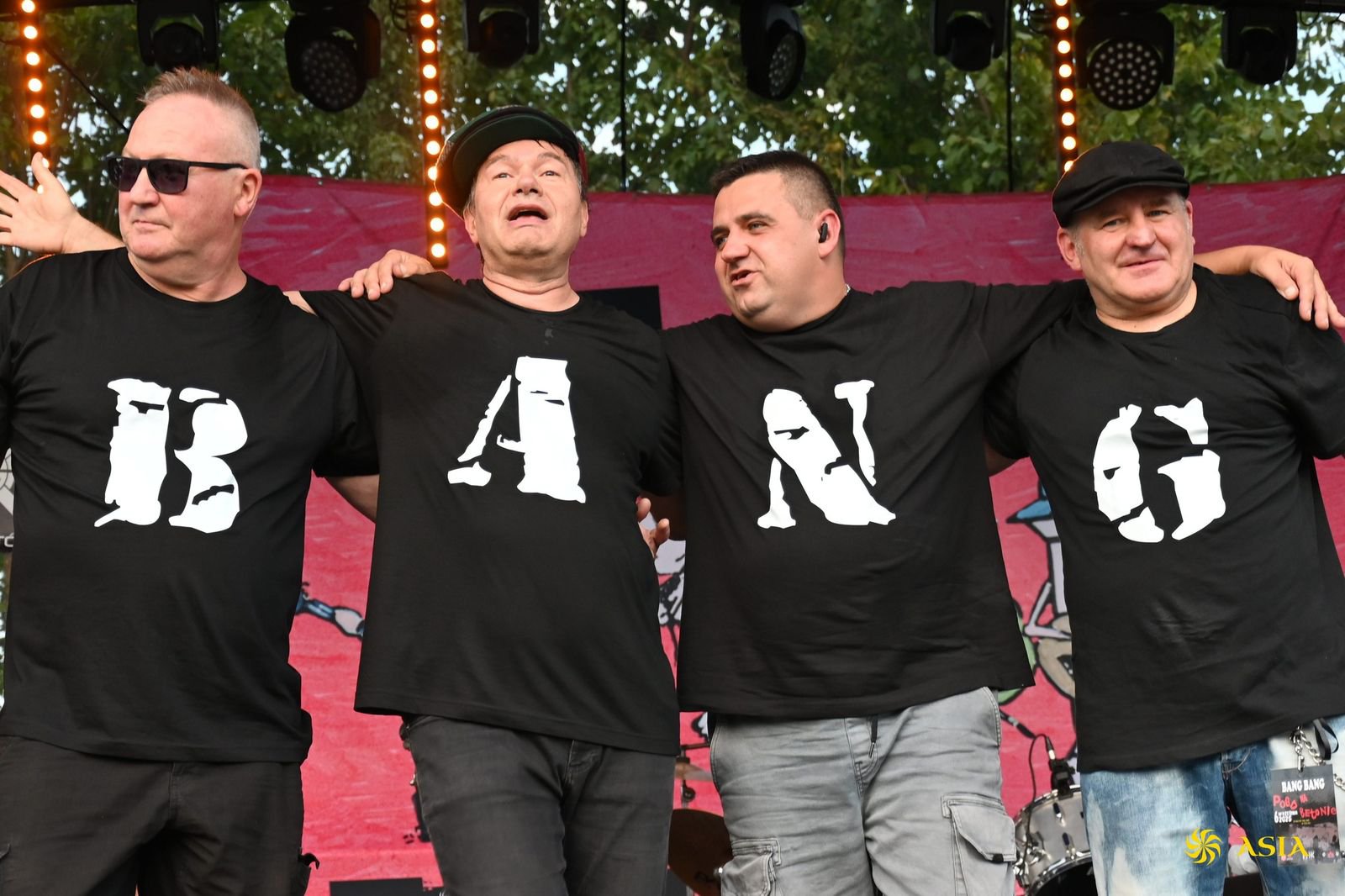
With your upcoming shows in 2025 and your presence in alternative music charts, what is left for Bang Bang to achieve? Is there a specific "frontier" or a type of festival you still dream of playing after 35 years on the stage?
We are not stars and we do not want to be stars. There are few challenges that we are however facing. The first is to be heard by the new punk generation. Working on social media is a way to do it. We see during concerts more and more young people and its great. The second is to go more international and I hope that interviews like this one will help us with it. The third one is to record music which sounds like the 70's punk rock and modern at the same time. It’s tricky and each time we get into the studio it’s something we work on hard.
Anyone you’d like to thank?
Nope :) But anyway it was nice talking to you guys