

Still Doing It: An Interview with Jonathan Yost of Racket Magazine
By Staff | December 15, 2025
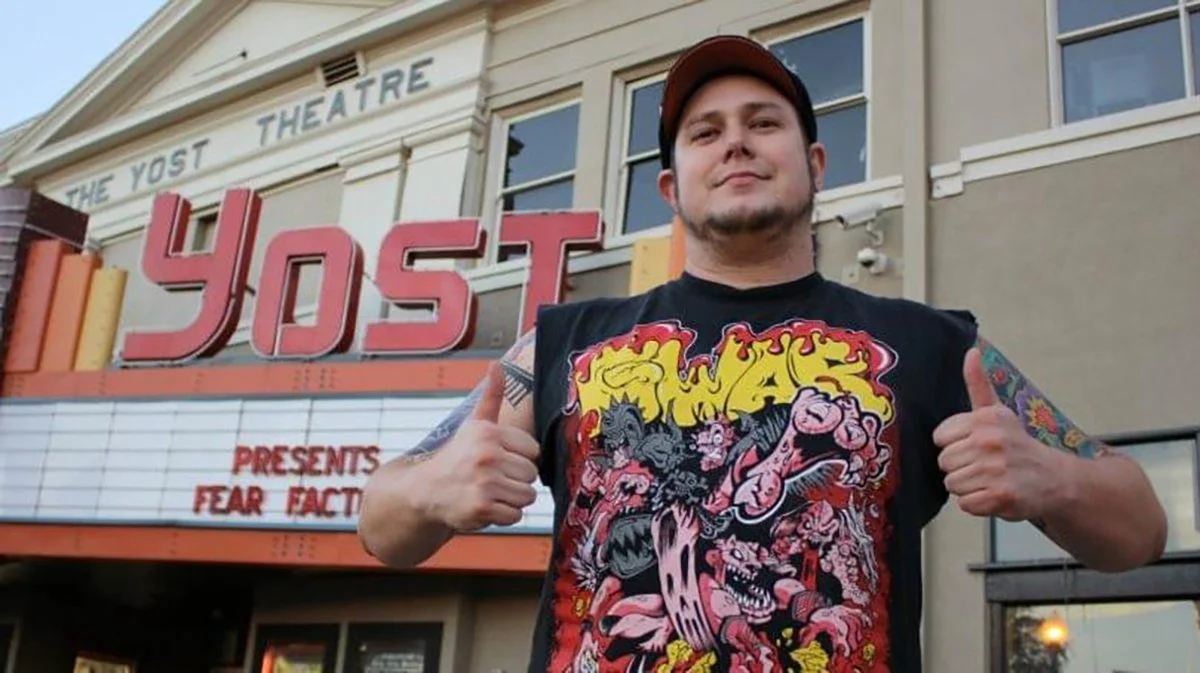
Racket Magazine was founded in March 2005 by an Jonathan Yost, motivated by a desire to create a forum for material that was enthusiastic, strongly opinionated, occasionally foolish, and sustained by inexpensive coffee, low-quality beer, and vibrant music. Prior to establishing the magazine, Yost wrote for another music blog but felt constrained by the editor's preference for typical press-kit questions, instead finding greater interest in extracting peculiar trivia or being lighthearted with artists. Having studied music business at Cal Poly Pomona, he launched Racket based on an unconventional, perfectly captured by early non-traditional segments like conducting a Mad Libs interview with Bleeding Through or aggressively mocking Hawthorne Heights—whose interview they secured despite the magazine's tagline being "because life’s too short for Hawthorne Heights". The magazine's spirit is defined by "enthusiasm counted as a credential," with Yost actively seeking out new writers, or "Racketeers", to give them a chance, aiming to be a non-gatekeeping mentor who allows contributors to sound like themselves, not an imitation of the founder. This approach has allowed Racket to thrive for two decades by focusing on heart-driven content and measuring success not by page views, but by the founder's pride when a friend or reader enjoys a recommended artist.
Beyond the magazine, Yost has spent over a decade as a concert publicist, working at events like the Rock The Bells and Paid Dues music festivals, as well as at Yaamava’ Casino and Resort. Currently, he also works as a communications strategist for a state government agency, a role that involves translating "nerd words into people words," which parallels the magazine's philosophy of communicating to people like people, rather than speaking at them. Additionally, he teaches university-level PR classes, where a core lesson taught to students about engaging with media outlets like Racket is the importance of authenticity, a value he practices both personally and professionally.
Welcome! Racket Magazine was born out of a desire for content that was excited, opinionated, occasionally dumb, and fueled by cheap coffee, shitty beer, and loud guitars. How do you define the core spirit of Racket today, two decades later, and how do you maintain that specific, raw energy in a much more crowded media landscape?
Jonathan Yost, Racket Magazine: Yea, that’s a great question. I started Racket when I was 23, without really knowing what I was going to do with my life. At this point, I was working full time in retail, going to college, studying music business (shout out to Cal Poly Pomona), and just kind of trying my best.
I grew up with a weird array of musical influences in my life, my dad was a hair metal bass player, my mom loved 70’s folk rock, my step dad loved Chuck Berry, one aunt got me into hip hop, another into punk and metal and my high school girlfriend got me really into indie pop stuff like Phantom Planet and Rilo Kiley.
Just a year before I started Racket, I was dicking off on LiveJournal (the real ones know) and saw a post looking for writers for a music blog. I figured I’d give it a shot. I got to interview Mike Park, Jimmy from the Album Leaf, and a few others and was HOOKED. But, I felt like the blog was trying to be something that already existed. The editor would be like, ask about tour, ask about recording the new album. I had already experienced enough of “the industry” to know that touring as an indie band sucks and the recording process can drag on. I was more interested in pulling weird trivia out of artists or just kind of being goofy. So, in March of 2005, I registered RacketMag.com and just started doing it.
Twenty years later, I am still doing it, but with an insane amount of side quests adding and guiding how I approach it. I ended up spending over a decade as a concert publicist myself, both at the Rock The Bells and Paid Dues music festivals and at Yaamava’ Casino and Resort, a massive casino outside of LA. But then I’ve still covered concerts, including those outside what I used to be into in addition to long-time favs. So, seeing amazing acts like the Yeah Yeah Yeahs, Lucero, Ginger Root, and the Lumineers has been rad as hell.
All this did was keep the fires going. I just love talking about this shit. I love getting into the nuances of genres and concert productions with folks in the know. Shit, my dad runs a live event production company in Brisbane, Australia, and we were talking about him running the show for Steve Aoki recently. I suppose, when you love something, it’s not that hard to be passionate about it.
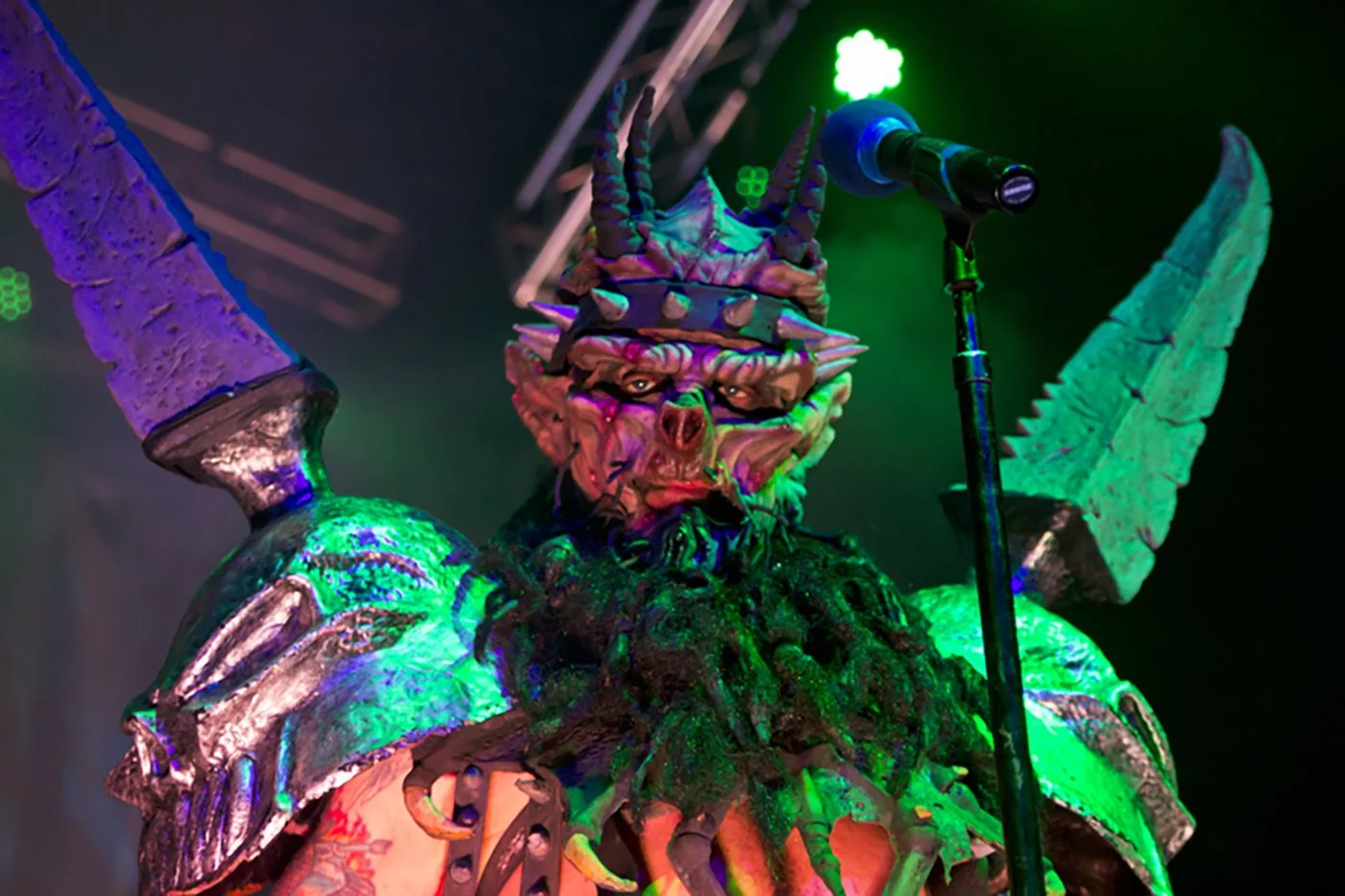
GWAR - photo by Jonathan Yost
You mentioned the early music blogs felt too polished, too precious, and way too concerned with sounding “legitimate”. What was the single most illegitimate or non-traditional interview or piece Racket published in its early days that you feel perfectly captured the magazine's mission?
Oh, shit. I don’t know. We did a lot of dumb shit. Once we went to a press day at a hotel to interview Automatic Loveletter and the publicist opened the door to find me and my two video hosts drinking a 24-pack of PBR in the hallway. I did Mad Libs as the interview with Bleeding Through, I got to interview Lou Diamond Phillips for some reason, and asked Alison of A Fine Frenzy to be my girlfriend (just for the interview).
It's hard to narrow it down. Wait, no it’s not. It’s when we went hard in bullying Hawthorne Heights during an interview. To be fair, our tagline at the time was “because life’s too short for Hawthorne Heights” and we still got an interview with them. Our most unhinged Racketeer interviewed them and I don’t know how they didn’t hang up on him in the first three minutes.
“Enthusiasm counted as a credential” is a powerful motto. Practically speaking, how do you vet new writers or contributors to ensure they embody the ‘Racket’ spirit, especially if they lack traditional journalism experience?
I throw them into the fire and see if they burn. We’ve had quite a few new Racketeers over the last year. I try to be the guy that I wish I had encountered when I was just starting out, the guy that would let you try instead of gatekeep.
We’ve all been there, right? Thinking, “If I could just get my foot in the door, I could prove that I could do this.” I want to be the guy that swings that door wide open. And if they suck, well, hell, I don’t post the piece and I’m not out a damned thing. So far, it’s worked really well. My UK correspondent, who goes by the alias Still Unfound, has done tremendous work, as has Walt Sullins, both of which have different tastes and ideas than me, and those ultra-personalized opinions are definitely what makes Racket Racket.
Racket sits at the intersection of music, nerd culture, and "wait, this is actually cool.” Can you give an example of a band or an interview that successfully hit all three of those notes simultaneously, and what made it work?
I mean, I will interview GWAR over and and over and over and over again. Besides being an absolute spectacle, they are just ridiculously funny and particularly smart. When I first interviewed Oderus, I had to look up several words. No one in my circle was using erudite on the regular. But these guys have comic books, were in the Beavis and Butthead Sega Genesis game, and have spent 40 years in the metal zeitgeist. They know how to make fun of everything that’s going on in the world. People know that everything’s fucking dumb, so to see them literally murder those who are making it dumb on stage? Yea, I’m into that.
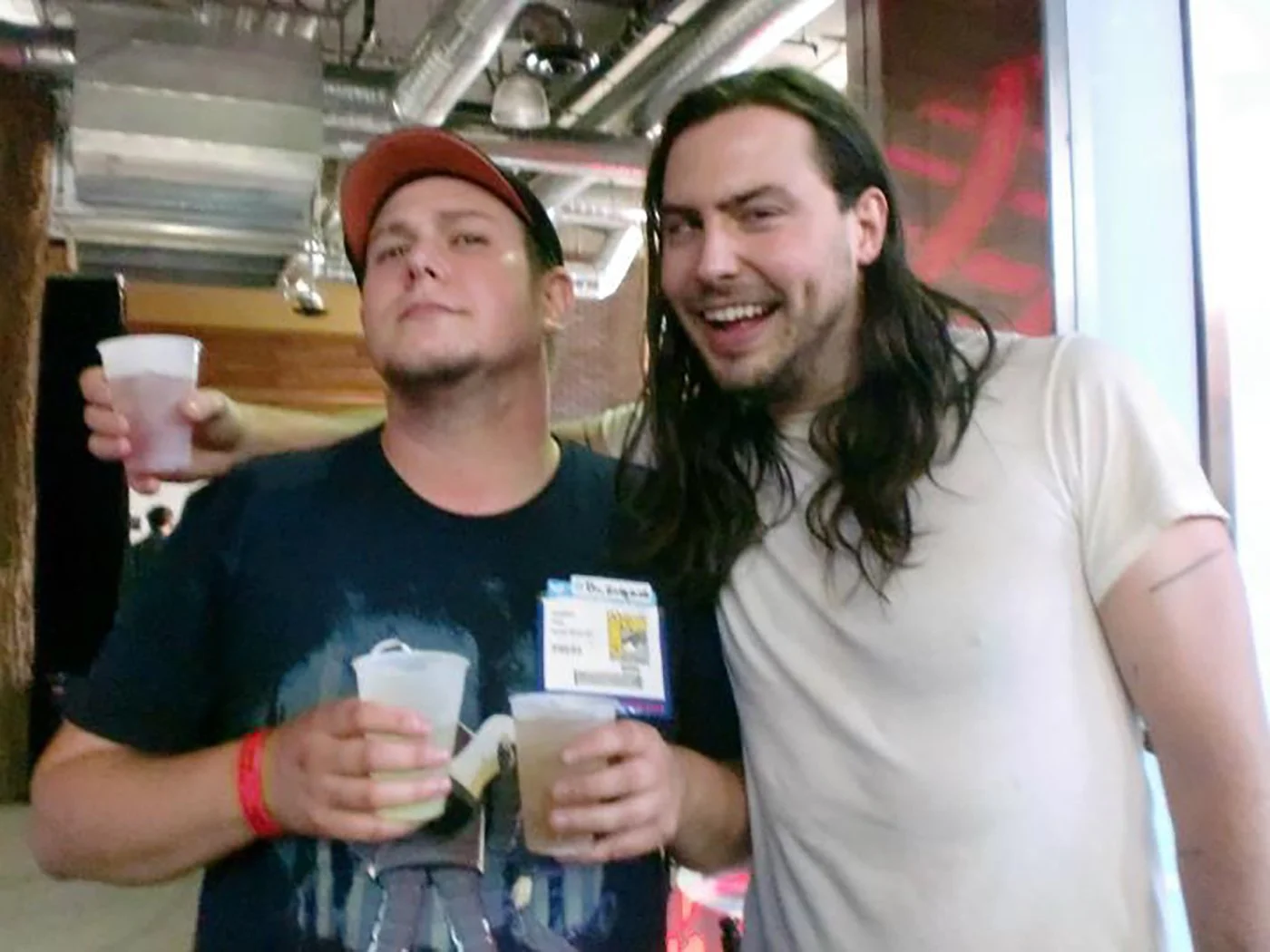
Yost With Andrew WK
You went from asking A Fine Frenzy about a perfect date to eating hot dogs with The Aquabats. What is the secret to getting established artists to drop the generic press-release energy and engage with Racket’s more human, chaotic approach?
I think most people want to connect with others and you aren’t going to do that by sticking with the script. Talking to people like people has worked for us. Finding that common ground that you aren’t going to find by asking “how’s tour,” or “tell me about recording song.” I can think of two recent interviews where the dudes were just cool as hell and they only ended because of time constraints. Tommy Meehan (of Squid Pisser and GWAR) was rad, showing me the new Grodius mask and Craig Wedren of Shudder to Think and I talked about insanely bizarre Stella skits from the early 2000s.
I’ve been lucky enough to cover things like Comic Con in San Diego, and I remember getting drinks at the Nintendo press area and running into Andrew WK. Rather than talking about partying, we were having a great conversation about reforms needed to the criminal justice system in America. People talking to each other as people can be spectacular.
You have to have a certain level of creativity and personality to try your hand at making a living out of making music, and if a writer can tap into that, it should be pretty damned entertaining.
In 20 years, music discovery has completely changed, moving from blogs to social media algorithms. How has Racket adapted its content and distribution strategy to remain relevant without sacrificing its core identity, which seems proudly analog and heart-driven?
Umm, we haven’t. We still do almost everything pretty organically. Like, sure we’ll tag artists and try to play the dumb Instagram game, but ultimately, the writers post on their own social channels and people see it and share them to support their friends. Which is what we should all be doing anyway. If your friend has a burger cart, buy the burger, buy the shirt of the burger (Champs Burgers in Portland has great shirts, BTW).
We make negative money at Racket, but we all love doing it. If it wasn’t heart-driven, there would be no point.
The goal has always been make stuff you'd actually want to read. How do you measure success at Racket? Is it page views, writer enjoyment, or maintaining a specific, engaged community?
I still take immense pride when I hear a friend like an artist I recommend. I remember going into my local comic shop and Jim and Thom, two pals from a local band were in there arguing about music. They asked me what I had reviewed and enjoyed lately, and this was just after I started Racket, and I said The Fruit Bats’ Spelled in Bones. A week or two later, and Jim told me that not only did he love the album, but that he bought the other two albums that were out at the time. Same thing happened with Weerd Science, the rap project from Coheed drummer Josh Eppard, and loads others. I live for that shit.
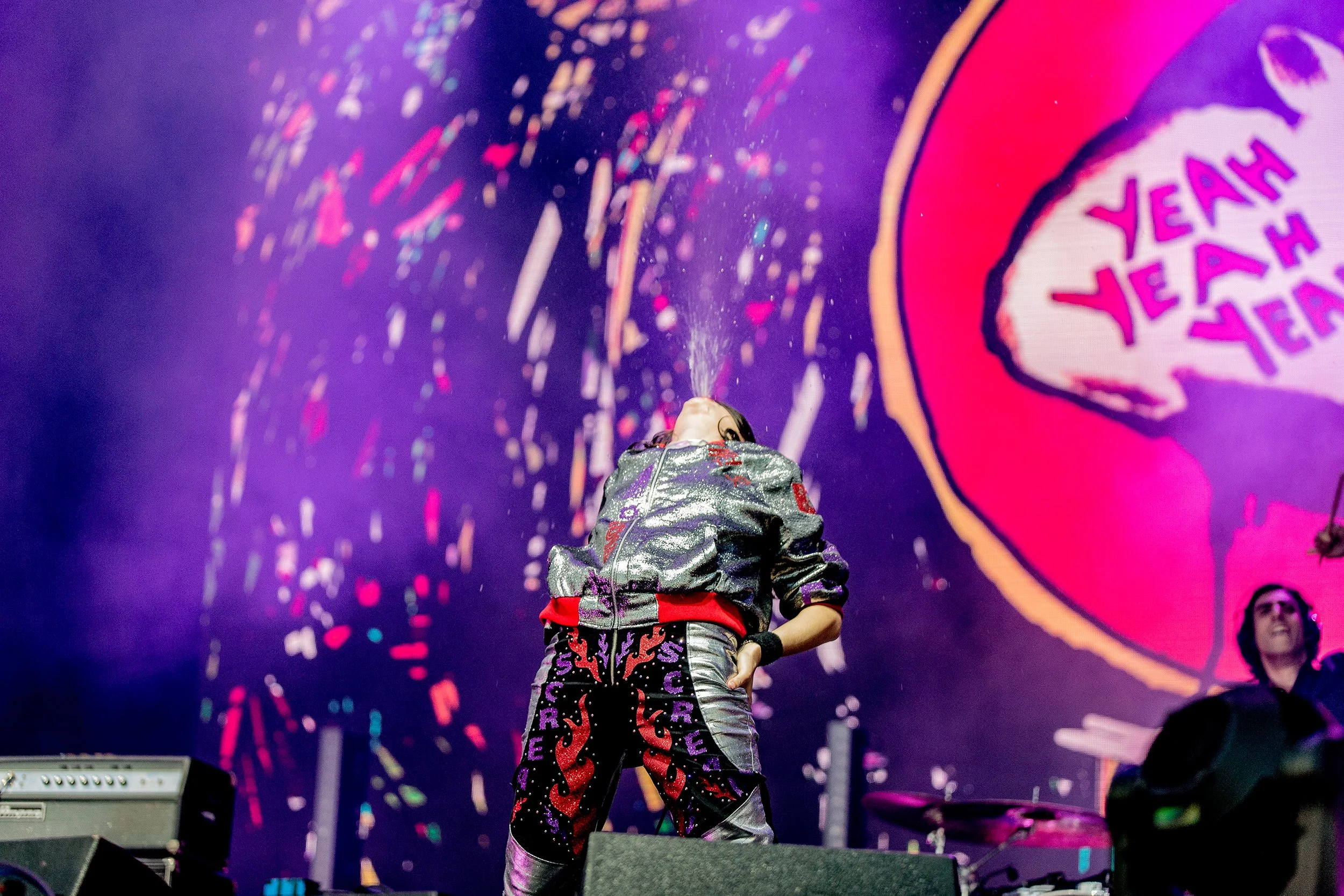
The Yeah Yeah Yeahs, Ohana Festival - photo by Jonathan Yost
The magazine prides Itself on giving artists room to be real people. In the age of hyper-curated artist social media and brand management, do you find it harder or easier to get the genuine, unvarnished stories you seek?
Easier. Not only easier, but better. I have lost track of how many artists say things like, “I’ve never been asked about this before.” Am I the Sean Evans of music… absolutely not. But I do try to think of questions that seek out more information on who this person is as an artist, not as a commodity.
Racket has a distinct voice that often uses chaos, sarcasm, and heart. What is the biggest risk or common mistake a writer makes when trying to adopt that tone, and how do you coach them to sound genuinely Racket?
Most commonly, people will worry about trying to sound like Racket when I want them to sound like themselves. I am a boisterous, opinionated dingdong, and what works for me may not work for others. While I will point out some edits to make things more concise, I’m not trying to turn anyone into me. Racket is about opinions and what you, the writer, think about things. It’s how friends talk about music or concerts or comics or movies or skateboarding or what-the-fuck-ever.
I have no worries about people sounding like X, because another outlet tried that with me and I hated it. In the words of Lilo, I’d be an abomination.
In your personal life as a communications strategist for a state government agency, where you say you translate “nerd words into people words”. How does that skill of translating high-level, dense information relate to or inform your approach to running Racket Magazine?
The biggest crossover there is the mindset of how I am writing: write so people can understand. I can’t use inside jokes or hyper-niche industry jargon, because people won’t know what the hell I am talking about. The biggest parallel is “talk to people like people,” which government agencies often struggle with. People want to be spoken to and not spoken at, which I think some of the more artsy music mags do. Yea, we’re all just shouting our opinions into the ether, but I feel like some of my peers take themselves faaaar too seriously.

The Lumineers - photo by Jonathan Yost
You teach PR classes at a university. What is the single most important lesson you teach your students about engaging with media outlets like Racket, which reject the standard, polished PR approach?
Well, I don’t think we reject a polished approach, we just don’t take one. But we will certainly respond in our own voice. Most students I have had want to make the world better, and that is amazing to see. I think the biggest lesson as it relates here is: be authentic in everything you do. Sure, you can be polished, but don’t be fake. We can all sniff out a poser in a heartbeat. But don’t BS us, we won’t BS you.
I think another lesson I bring up often is the idea of respect for differences. Different backgrounds, different opinions, different whatever. I used to be less respectful for sure, and I regret a lot of it. Can I think a band sucks and think it’s fine if you like them? Absolutely. You don’t like Nekrogoblikon? That’s weird, but do you. You’re wrong, but that doesn’t make you less of a person.
In your experience running Racket, what is the most common or frustrating mistake you see publicists or artists make when trying to secure coverage?
NOT RESPONDING TO RESPONSES. If you send out a press release that says interviews are available, and I say, “Cool, I’d love to talk to them, when can we do that?,” and I never get a response, I will wonder why you wasted both of our time (editor’s note: holeeee shit, can we relate). Luckily, that is exceedingly rare, but still. If your artist got booked up by larger outlets, that’s fine, just let me know. I promise you won’t hurt my little feelings.
You deal daily with topics like financial reporting and then switch to covering loud guitars and indecipherable screams. How do you manage the mental gear shift between these two highly-demanding, but radically different, professional worlds?
Well, I am often listening to loud music while at work, which helps. Another thing, it’s insane how many creative, art-making folks are in very non-creative day jobs. At one point, I had three music majors on my team, plus a couple extra vinyl collectors, concert-goers, and more. Our training guy emailed me about seeing Metalachi, my web dude was excited about my interview with Squid Pisser. I think it’s far more common to find weirdos at work than you would think in your youth.
But I think thinking of ways to talk to people, different ways of communicating concepts, really helps in the Racket realm and in my daily life. I see more disconnects in how people talk to and with each other and have been using those observations in how I explain some things. For the most part. I had a hip replacement recently and decided to do a bunch of record reviews while blitzed on prescription opiates, so sometimes all that professionalism is out the goddamned window.
Looking forward, what is the next unconventional thing you want Racket to try—be it a new medium, a different type of content, or a surprising collaboration—to keep the enthusiasm and chaos alive?
I’d love to do a 25-year print version of our greatest hits. Something tangible for myself and two decades of Racket writers across the globe to see. That would be cool as hell. I also keep trying to figure out how I can make a Choose Your Own Adventure style interview. I think that would be fun as fuck, too.
Anyone you’d like to thank?
Everyone that has ever written for or read Racket. I’ve had such amazing people work with me over the years, and they are all tremendous. And all of the publicists who refused to gatekeep their artists, letting us grow and do some really cool shit over the years. All of you are very smart, very attractive people who all others strive to be. Thems the facts.
official website: https://www.racketmag.com