

Punk Rock 301: An Interview With Diesel Boy
By Staff | January 14, 2026
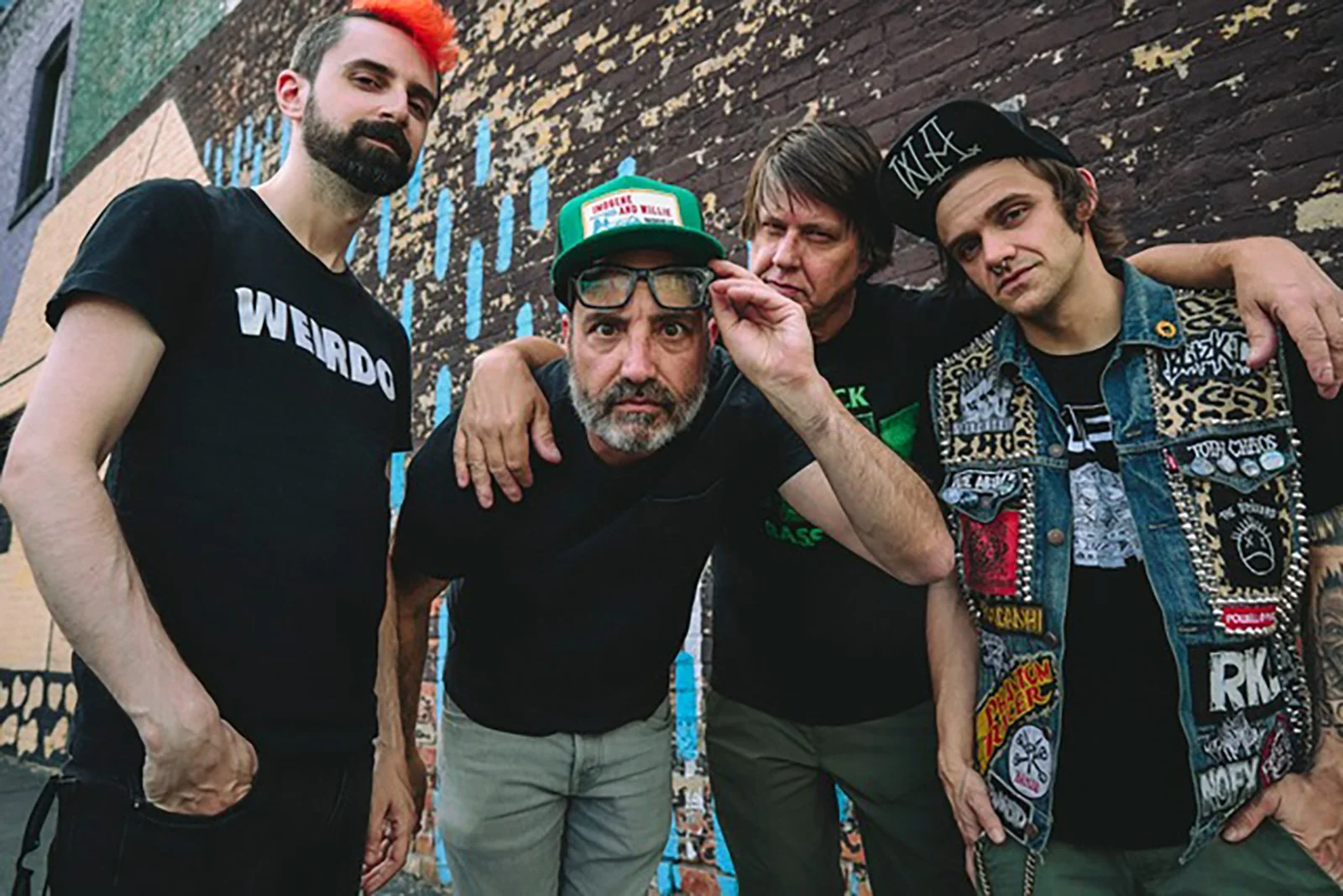
Photo: Chris Wedman
Hailing from Santa Rosa, the seminal California punk quartet Diesel Boy emerged in the early 1990’s as a cornerstone of the melodic underground scene. Renowned for their high-speed rhythms and a penchant for clever wordplay, the group became a flagship act for Honest Don’s, a subsidiary of the legendary Fat Wreck Chords label. The band toured extensively across North America and beyond during their initial decade-long run, sharing the stage with bands such as NOFX, The Vandals and No Use For A Name, Following a twenty-year hiatus, the band - fronted by the distinctive vocals of Diesel Dave - experienced a creative resurgence, reuniting to deliver fresh material for a new generation of skate-rock enthusiasts. We caught up with the band to see what they had to say.
You stepped away from the band in the early 2000s and returned two decades later. Was there a specific event or moment that made you realize Diesel Boy needed to exist again?
Diesel Dave: Not really. We’d tried a few times before then to get things going again but could never keep up the momentum. We never broke up, we just sort of stopped doing stuff, largely because I’d taken a job at a music startup that eventually got bought by Microsoft and I relocated. So for many years, I was adjusting to a different kind of life and raising young kids. Over the pandemic, Greg and I started talking about trying to do it again. Fans were still streaming the music and labels and festivals would occasionally reach out to inquire so we felt like if we could get things up and running, there would be opportunities. We ultimately decided to relaunch things with a new record as a way of looking forward rather than just back. Since we weren’t going to return to being a full-time band, we knew we would have to say no to lots of things, but it makes for a manageable balance. And I’m very grateful that people still remember the band and that we have the opportunity to do this again.
Photo: Mike Mitchell
On Gets Old, you worked with Matt Bayles (Mastodon, Pearl Jam). How did his production style change the way you approached writing classic punk?
Well we settled on a producer after all the songs were written so it didn’t change anything about the writing necessarily. But we chose Matt because we liked the idea of making a record with someone who isn’t mostly making punk rock records. Despite being known for producing acts much heavier than us, Matt has has a great sense of melody and appreciates a good hook, but he also has punk roots, so he understood what we were going for.
Diesel Boy was always known for a very specific brand of irreverent humor (if you're reading this, pull up "Punk Rock 101" right now, you won't be sorry). How do you balance that youthful spirit with the realities of being at a later stage in life?
I guess the targets just change. The things that I want to poke holes in or poke fun at are different now, but I think the spirit of what we’re trying to do is still the same. We still enjoy being snarky and playing fast, and we’ve never been a band with a message. I may not be railing against scene politics these days, but there’s still plenty of things that deserves a good nose thumbing, including ourselves.
The opening track of the new album addresses what you’ve been up to since 2001. After two decades in civilian life, what do you think you missed most about being in a touring punk band?
Definitely the energy of playing a show and the energy you get back from the crowd. But also that communion with the fans at the merch table or at the bar. It’s so lovely to hear people's stories, talk to folks, meet their kids, hear about what the band or the punk rock scene meant to them.
You were the flagship band for Honest Don’s (a Fat Wreck Chords subsidiary). Looking back, what is your favorite memory or most absurd story from those early days of touring in the Ford Econoline?
Most of that period was a total blast and an amazing way to spend my 20s. Sure, it was a grind sleeping on floors and not showering and eating shitty food, but what an adventure! There’s just so much that it’s hard to distill it down to a single memory or two. Getting to play with so many of our favorite bands and who became our peers, and to be traveling the world and making records was more than we ever imagined was possible.
From Cock Rock to Venus Envy, your titles and lyrics are packed with puns and obscure references. Who in the band is responsible for the wordplay, and has there ever been a joke that was too far even for you guys?
I write the lyrics but naming records has always been a group effort. There are definitely lines in songs that hit differently in 2026 than 1996. Back then I was trying to be brash and provocative. There are a few songs I have shied away from putting in the set because the lyrics just make me cringe too much nowadays. So yeah, there’s stuff in the catalog that isn’t a reflection of who I am today, but who doesn’t look back at their old high school yearbook photos and feel a little sheepish, you know?
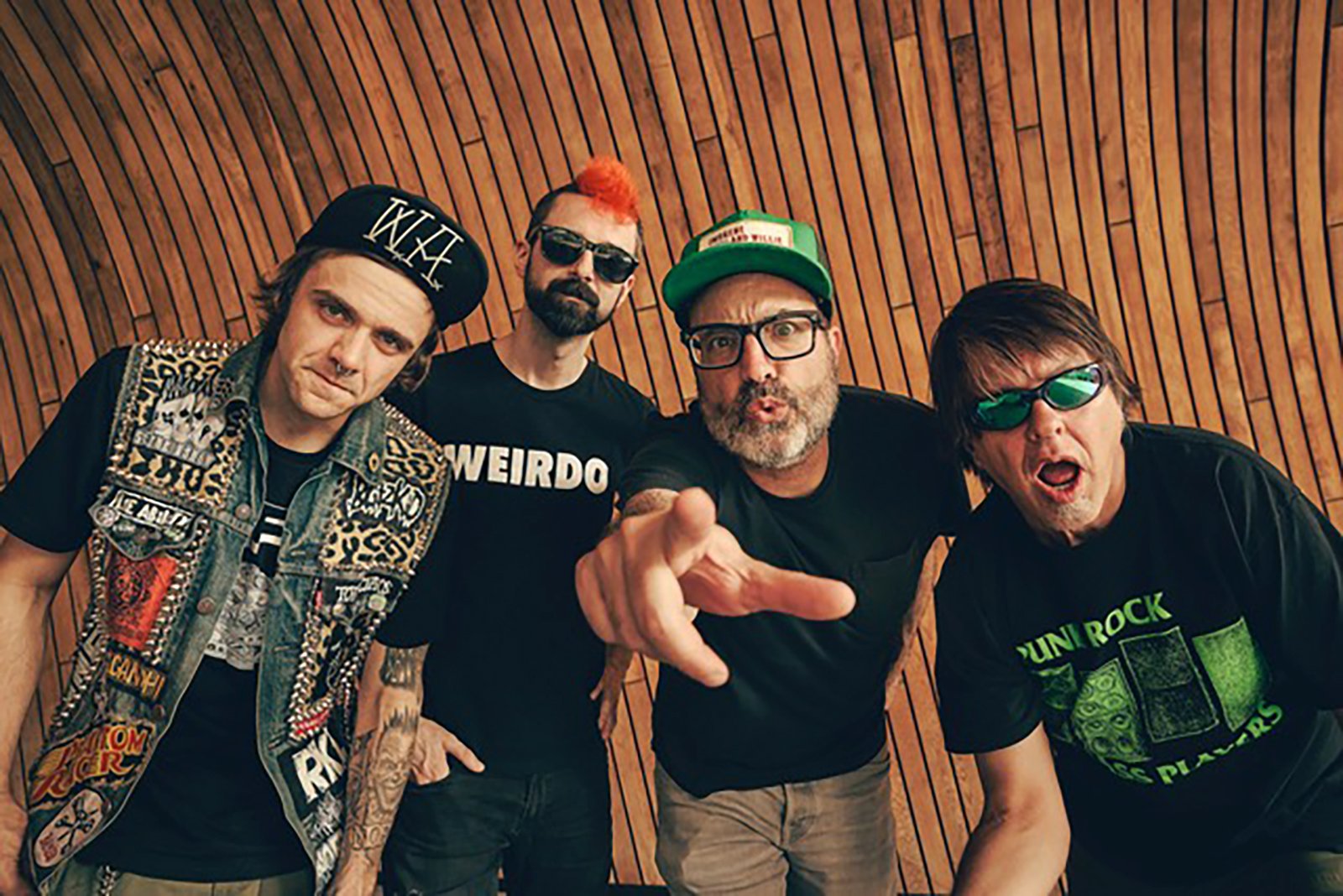
Photo: Chris Wedman
Diesel Dave, you moved to Seattle for a career in tech. How did being in a more grunge-oriented city influence your perspective on the Cali punk you're known for?
I don’t know that it really did. I moved here in 2000, so the grunge explosion had already passed. And though there probably aren’t as many skate punk bands here per capita as California, there’s always been a great music scene in Seattle, across all kinds of genres, and that’s still true. I don’t see much local music these days so most of my discovery happens online. One byproduct of the tech boom here is that it is has driven up the cost of living and the population density. Seattle has gotten so expensive that many musicians simply can’t afford to live here anymore and that’s a real bummer.
In the '90s, you discovered bands through MaximumRocknroll and Fat Wreck samplers like Survival of the Fattest. How do you feel about the way new fans discover your music today via the Spotify algorithms that have probably netted you like 30 bucks?
It’s a mixed bag. It’s great that music discovery is so easy now and that it has democratized things for bands. It’s awesome that a kid can discover punk rock and have access to so much of it, not just through music streaming but to old shows or interviews on YouTube as well. But there is also something rewarding and magical about the search, about finding a scene and a community or a new band. I used to read the liner notes of records and look at all the bands mentioned to hopefully discover one I hadn’t heard of. And you had to write to bands to get information about where they might be playing or to buy a record. I think that made for a level of connection that maybe isn’t the same as following a band on Instagram or joining a subreddit. I have boxes of letters people used to send us. They’re so cool. There’s no romance in a DM. But that’s also just an old guy perspective. My teenage kids don’t know any different.
You have a song on the new record about music festival bros. Having played both tiny dive bars and massive festivals, which environment do you feel most at home in these days?
Festivals are great, especially getting to hang with lots of other bands, but I definitely feel more at home in a dive bar with some shitty green room and a filthy couch and drawings of penises on all the walls.
You had Kim Warnick of The Fastbacks guest on the single "Bismarck." How did that collaboration come about, and what did it mean to have a Seattle punk pioneer on a Diesel Boy track?
While we were tracking the song in the studio, Matt Bayles said, “you should have a woman sing this part.” There are a few lines in the song where I’m reading a postcard someone sent to me. We all thought it was a cool idea. He suggested Kim, who he knew from just being around the Seattle music scene for decades. He fired her off a quick text, we sent her the song, and she said she’d be glad to do it. The day she came down to the studio was really fun. She sang great and afterwards bent our ears for an hour or two with awesome stories about the old days. It was an honor to have her sing on the record and she gave the song a little extra gravitas. It also felt like a subtle nod to our adopted home of Seattle to have a local punk legend singing on the song.
Photo: hughes_d_force
Some fans want to hear "Titty Twister" on loop, while others want the new stuff. How do you approach building a set list that satisfies the nostalgia while proving you aren't just a legacy act?
Perhaps the nicest thing about the streaming services is that they offer tools for artists that let you see which songs are popular and where, etc. So it’s been a nice surprise to see that the newer songs aren’t being dwarfed by the older ones. The set list skews heavily towards the older stuff anyway since there’s simply more of it, but it’s nice to see people seeing along to the new stuff too. And for those who don’t care about the new material, it gives them a few minutes to hit the bathroom and grab another beer!
Official website: https://www.diesel-boy.com/
Spotify: https://open.spotify.com/artist/2agAYKDv3WcwXt4nKmDThj
Apple Music: https://music.apple.com/us/artist/diesel-boy/63683166
Bandcamp: https://dieselboyband.bandcamp.com/
Diesel Boy on Fat Wreck Chords: https://fatwreck.com/collections/diesel-boy
Wikipedia: https://en.wikipedia.org/wiki/Diesel_Boy