

Not Conforming To A Standard: An Interview With South Africa’s Half Price
By Staff | January 16, 2026
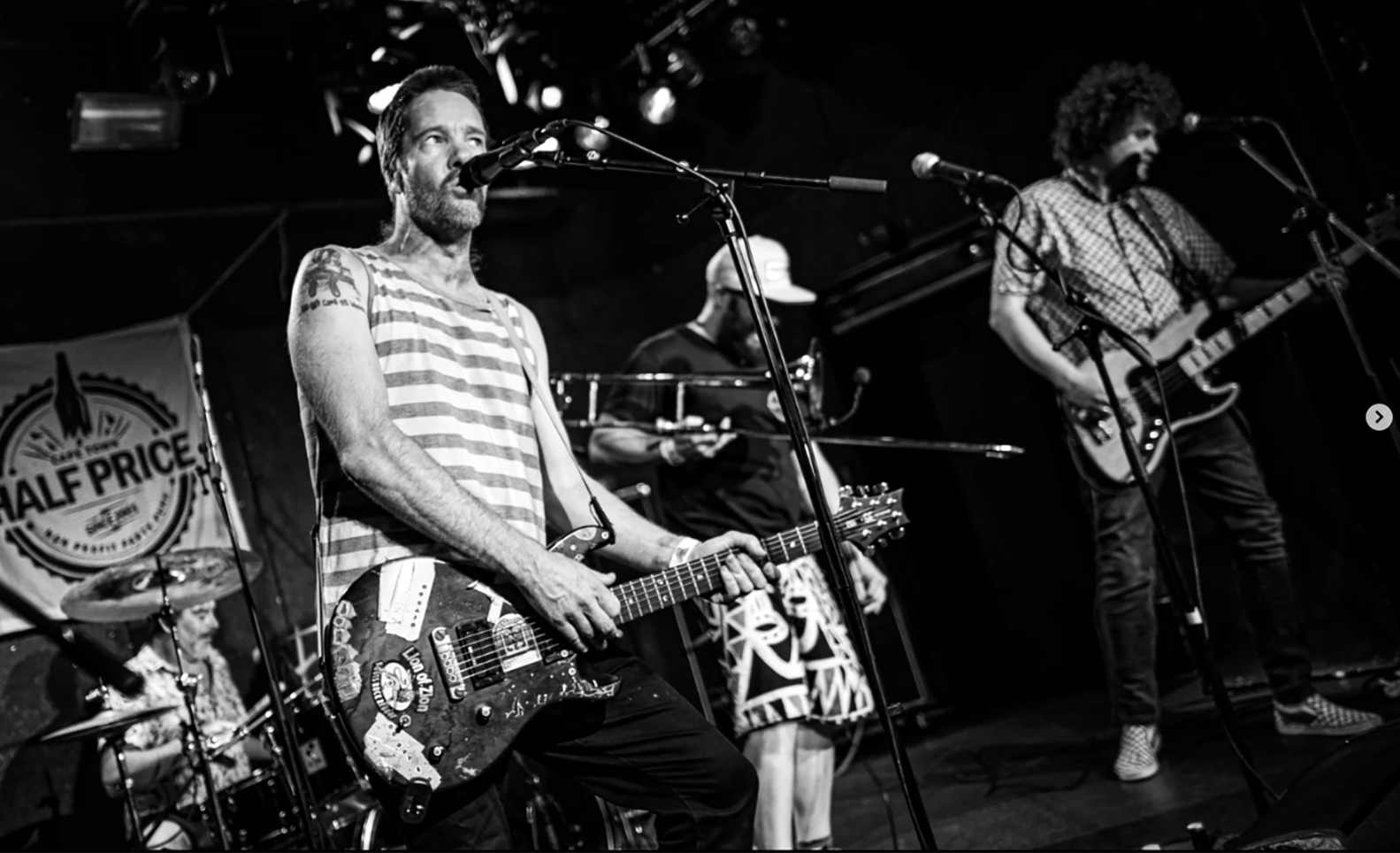
Photo credit: @these_habits
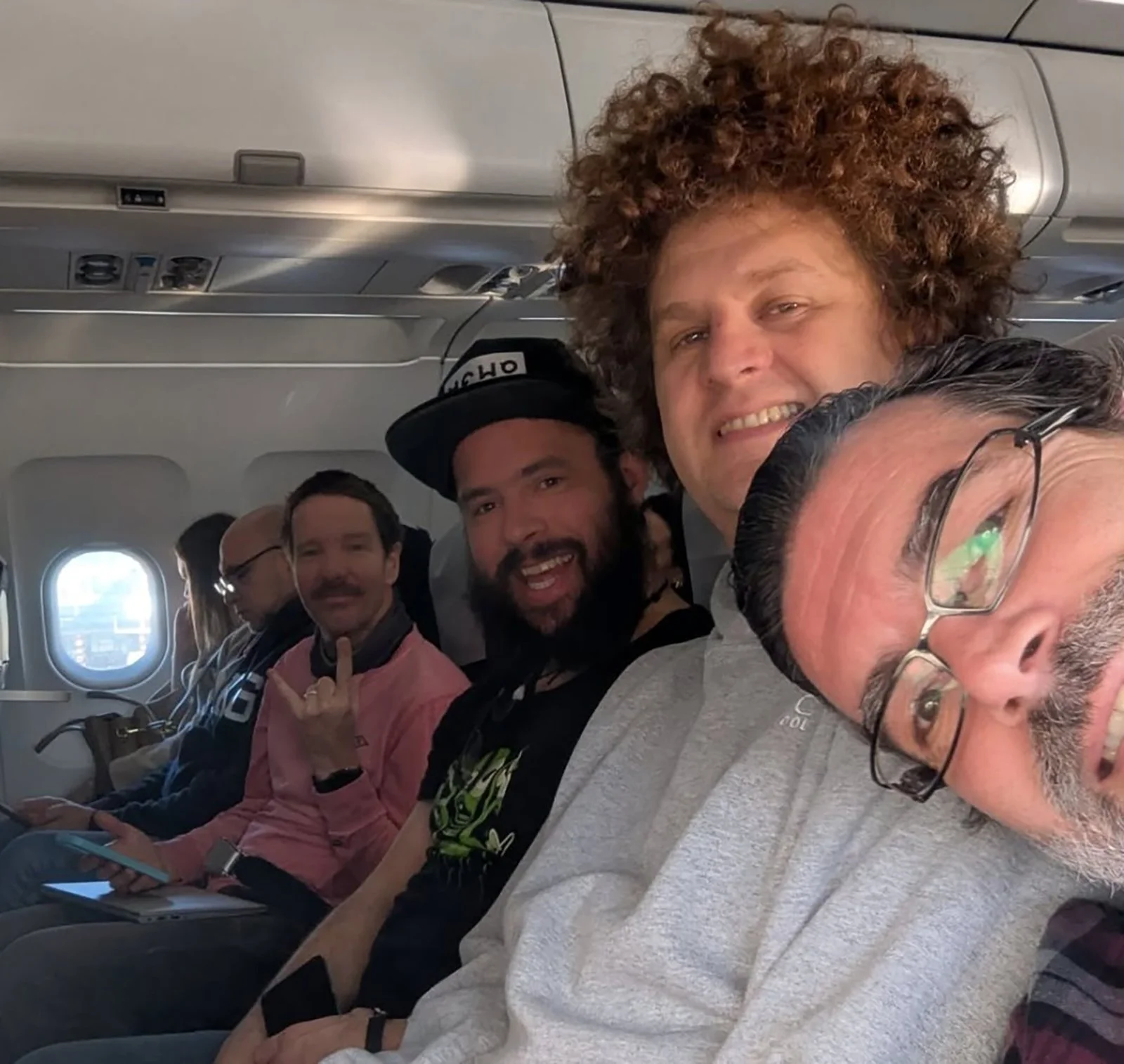
Founded in 2001, Half Price is a Cape Town-based ska-punk band that originally focused its songwriting on international politics and pressing domestic concerns like the South African HIV pandemic before shifting toward the infamous, high-energy party sound they are known for today. This evolution into light-hearted, sing-along anthems paired with unpredictable stage antics quickly solidified their reputation as a premier South African punk act, leading to high-profile opening slots for international legends such as Frenzal Rhomb, Mad Caddies, The Exploited, Alien Ant Farm, Leftöver Crack, and even the 90s Euro-pop group Culture Beat. The band eventually exported their distinct brand of "party punk" to the global stage, beginning with a tour of Namibia in 2004 and continuing through four separate European tours spanning from 2005 to 2013.
Welcome. As you approach your 25th anniversary, what has been the most surprising change in the South African punk scene since you started back in 2001?
Pete: It’s hard to kill punk rock, sure the shows aren’t as big, but people still love it, they come out to support local bands. The band scene has evolved but punk rock is still out there, in different shapes and forms. It’s good to see a more diverse audience, young and old, boys and girls, black and white…
DFG: yeah, I think the diversity of the bands is the biggest change, and it’s particularly amazing to watch that the biggest growth of homegrown SA punk bands is now coming from Soweto.
You’ve shared the stage with diverse acts ranging from The Exploited to Culture Beat. Which of these international opening slots felt the most surreal or influential for the band?
Pete: Both shows were memorable for different reasons, The exploited show was in Cape Town and while we were fortunate to open for them the crowd was not so appreciative, turns out they only wanted to watch the Exploited! We don’t get many international punk bands down here. The crowd was definitely not into our brand of punk, and we didn’t get a very good reception. And to be honest I personally didn’t enjoy the Exploited, way too old school for me! We opened for Culture Beat at a festival called Brainwash in Windhoek, Namibia, where international bands are very rare. This was a great show, and extremely surreal. We had an awesome party with Culture Beat afterwards at a high-end lodge in the desert. Neither were influential, but they were both crazy experiences.
How does it feel to see your latest album, Ska Daddy, surpass 100,000 Spotify streams and attract over 5,000 followers? Did you expect that kind of digital traction after all these years?
Pete: We’ve never been good at promoting or marketing our music. But we stuck at recording and releasing music and refined our sound progressively over the years. For “So Hard it Hurts” we spent a lot of time and effort on the songwriting and getting the right sound, and it was the first album we released for streaming from day one. We thought it would be big, but we still sucked at marketing ourselves - lol. Before Ska Daddy, I finally opened an Instagram account and attended a music marketing course which helped us a lot. The timing was good. So not that surprised. Maybe the surprise is that it took us this long 😊
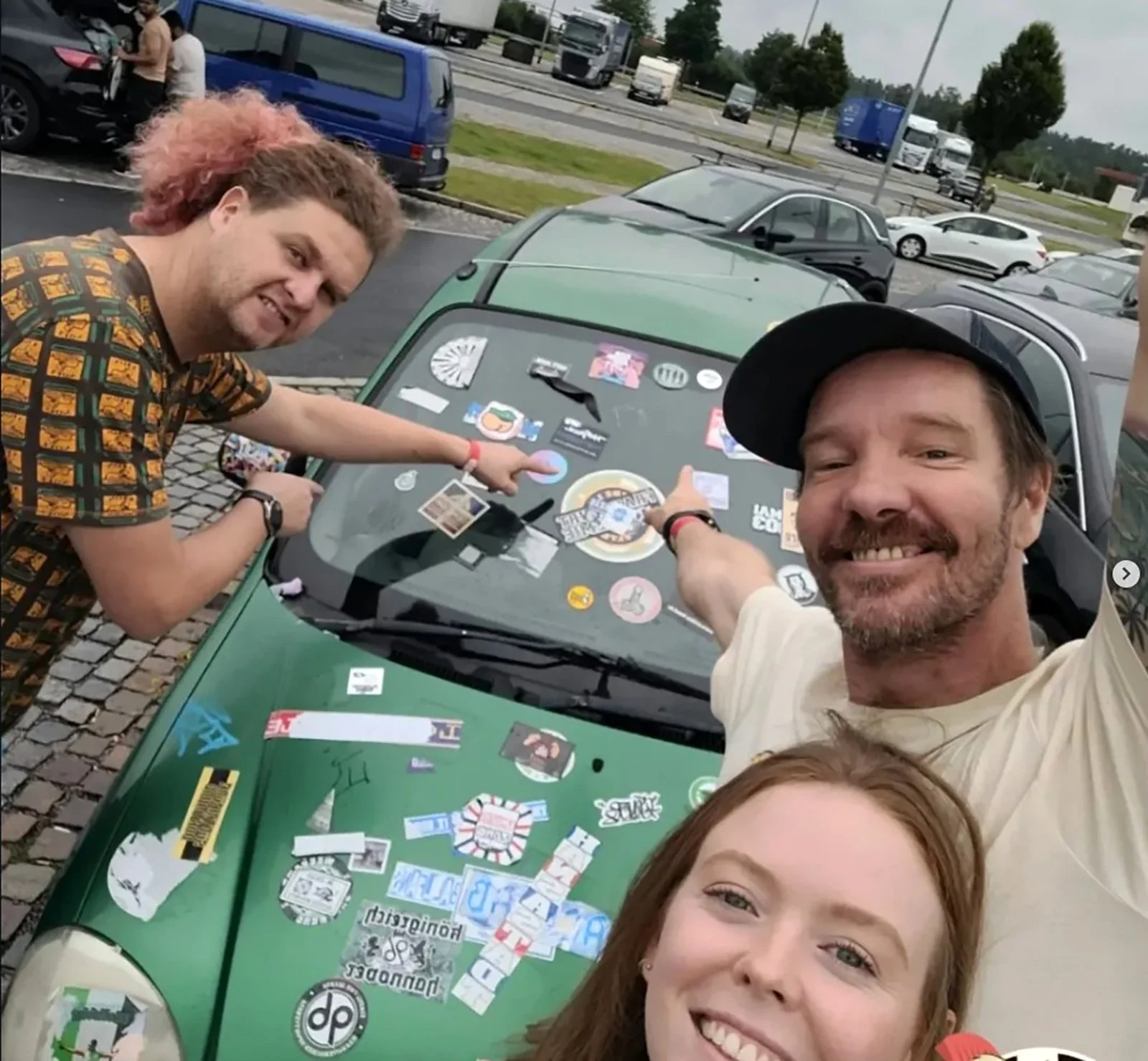
The band’s lyrics have shifted from early political themes to party anthems, and now back to social critique. What sparked the decision to reintroduce political roots into your current party ethos?
Pete: We moved away from politics long ago because it became fashionable to be political in the Cape Town punk scene, and it felt like we were conforming to a standard. The opposite of punk rock, right? This has shifted in more recent years. While we enjoy a good jol we’re writing lyrics about real issues in South Africa too. In particular the public education system is still a disaster, we haven’t managed to make much progress and its one of the biggest challenges in South Africa, sparking our recent release “the Forgotten Future”.
DFG: Additionally, over the last few years, we noted with great concern how the world - including South Africa - is stepping backwards and issues like racism, sexism and other forms of discrimination are once rearing their ugly head. So, we felt the need to make it explicit where we stand.
Songs like "The Meaning of Self Restraint" and "Burning Out" tackle mental well-being. Why did the band feel it was important to address these heavier personal topics alongside your high-energy sound?
Pete: Timing is part of it. We’ve matured both sonically and intellectually, and through this, we learned to embrace the complexity and chaos that exists within ourselves. It has been 25 years after all! These songs were both written as part of the “So Hard it Hurts” record, which was a major turning point for the band as touched on above. Those songs are important because they capture the emotion behind them honestly, in ways a party anthem never could.
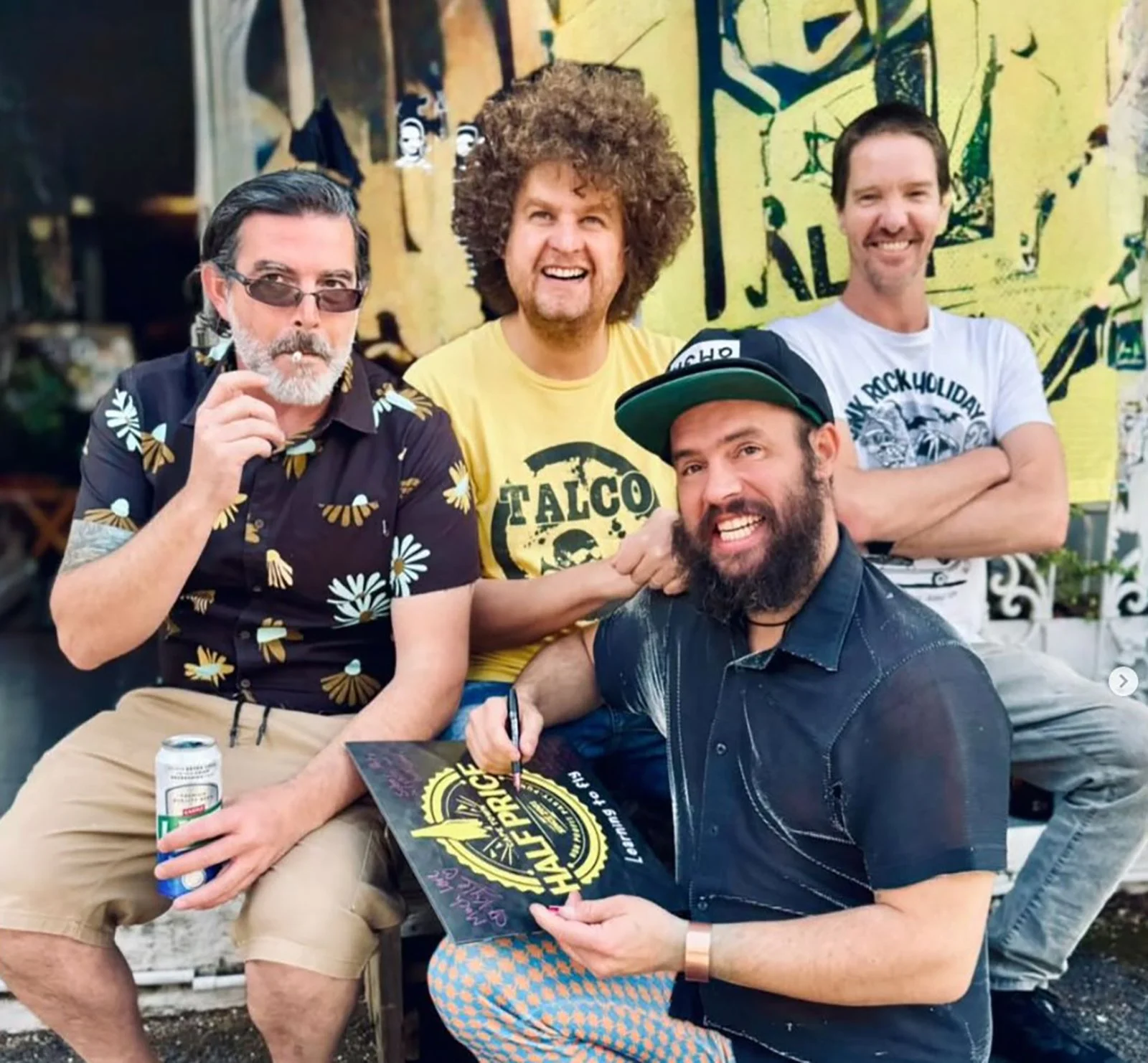
How has the addition of Matt Willis on trombone fundamentally changed the way you approach songwriting and your live performances?
Pete: It’s funny how a new member can suddenly fit right in. At one point we realised that we had been asking Matt to join us for shows for more than 5 years, and then we immediately asked him to join the band on a full-time basis. Since then, we’ve transitioned from a punk rock band to a ska punk band. It is pretty fundamental. Matt is also the most musically trained out of all of us, which has helped with the writing process and backing vocal harmonies. He’s also barking mad! so his stage persona adds absolute madness to our live set.
In 2025, you embarked on your largest tour in two decades with 23 total dates. What are the biggest challenges of booking a tour of that scale 100% DIY?
DFG: well, doing our own thing was always of top priority for us, and so DIY has (with a few exceptions) always been the way we do everything, including booking our tours of course. Booking DIY is tough, especially outside South Africa, trying to get a routing that works, getting the right deal for the right gig, making sure expenses such as food and accommodation are kept to a minimum, while trying not to exhaust ourselves so that you have enough energy to give a top performance at every show. Those 23 days included 16 shows in Europe, with only one-off day in the middle to balance all those requirements – and I can tell you we rocked every single one of those, like our lives depended on it. The bookings themselves have gotten easier, as we have not only built a larger online following as you mentioned above, but also built a large network of bands and venues over the last 6 Europe tours – but getting some bookings that fit nicely into your routing on certain weekdays will probably always remain a challenge.
How did the experience of playing a major stage like Punk Rock Holiday in Slovenia compare to the local club shows you play in Cape Town?
Pete: Punk Rock Holiday was incredible and left a huge impression. It was like being surrounded by an entire community of punk rockers who love the bands and know all the lyrics. I’ve never felt so at home at a festival. It really was amazing. Local club shows are great because we’ve got a lot of very loyal supporters here, but there was something magical about Punk Rock Holiday, and playing songs to a crowd that’s never heard them and watching them react to the music and loving it ... very special.
You’ve toured Europe six times now. What is it about the European punk circuit that keeps the band coming back after all these years?
DFG: We’ve built a name for ourselves, and as mentioned above, we now have a network of bands, venues, and places to sleep. In general, the hospitality also makes it relatively easy as promoters and venues usually provide accommodation, dinner, drinks, and sometimes even breakfast. And people seem to appreciate the effort that bands put into writing songs and putting on a performance. Compared to South Africa, the European scene is large, and everyone in it has been very inviting to us over the years.
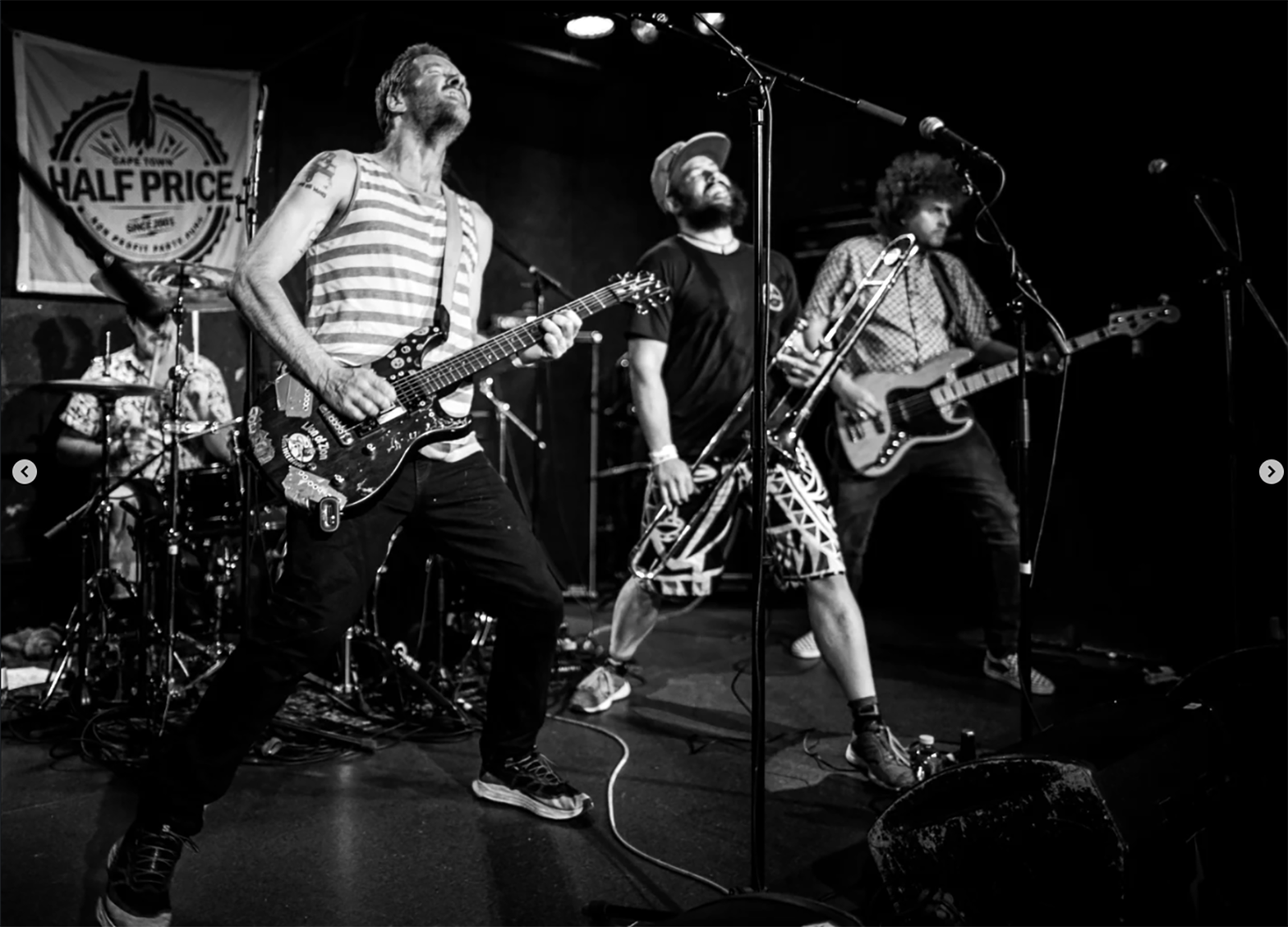
Photo credit: @these_habits
Can you explain the philosophy behind your "non-profit party punk" tagline? How does that mindset affect the way you manage the band’s finances and goals?
Pete: It’s a bit satirical. We decided to embrace the fact that we’re not turning a profit. The vast majority of bands out there are not. We make enough to pay our costs for touring, but good recording and marketing is expensive. We’re not doing this for the money. So, the name is pretty accurate in fact.
DFG: in fact, when we do make a few extra Rands we always reinvest those straight back into the band. Either into a new recording, a music video, or a flight for the next tour.
Your song The Forgotten Future critiques the South African public education system. Do you feel punk music is still an effective tool for social change in South Africa today?
Pete: It’s hard to answer this question. Part of me thinks that we have to believe we can make a difference, how else would a guy like Nelson Mandela been able to change the course of history? The other part of me thinks that punk rock may not be the right medium to drive social change, but I guess it has to start somewhere and bringing out issues helps the people that listen to them to think about it. Changing belief and perspectives shouldn’t be understated.
DFG: Punk rock is the voice we have; it’s our responsibility to use this voice when something so important needs to be addressed, whether the message lands or not is secondary.
With the release of the limited-edition vinyl Learning to Fly, why was it important for you to include unreleased tracks specifically for the physical record collectors?
DFG: This was a bonus for record collectors. The vinyl includes three songs which are not released anywhere else. They aren’t available online. We are planning to release them online eventually, but it was nice to make this limited-edition release for people who really enjoy the band, want to listen to a full record and hear some songs before anyone else.
Anyone you'd like to thank?
Besides the band for sticking together we want to thank Roastin’ Records and Wenzel for making our latest release the “Learning to Fly” vinyl possible. We want to thank Olli, Rene and Big Willy, for their great guest performances on tour over the last two years. We want to thank Jessica for being an amazing manager and Tanja, for helping us out with designs and both of them as well as Julie for doing such great work of selling our merch at our shows. We want to thank all the people in South Africa and Europe who book our shows, and help us with accommodation, foods and drinks – a special mention here must be given to Sasha in Germany for bringing us there on our first Europe tour back in 2005 - you really changed our lives with such a bold move - as well as Gavin and Kelly in Johannesburg - thanks for all the support since our very first Gauteng gigs in 2003. We also want to thank Punk Outlaw Records and Robert for bringing our music to the US a decade ago. We want to thank all the bands that we play with, that we get to watch, that we have learned from, and that have influenced us over the years. Most importantly we want to thank the people that take the time to listen to our music, that watch our videos, that come to our shows, and that buy our merchandise, without you this would all be meaningless!
Official Website: https://www.halfpriceband.co.za/
Wikipedia: https://en.wikipedia.org/wiki/Half_Price_(band)
Instagram: https://www.instagram.com/halfprice_band/