

A Fucking Right Racket: An Interview With The UK’s Rotunda
By Staff | December 4, 2025
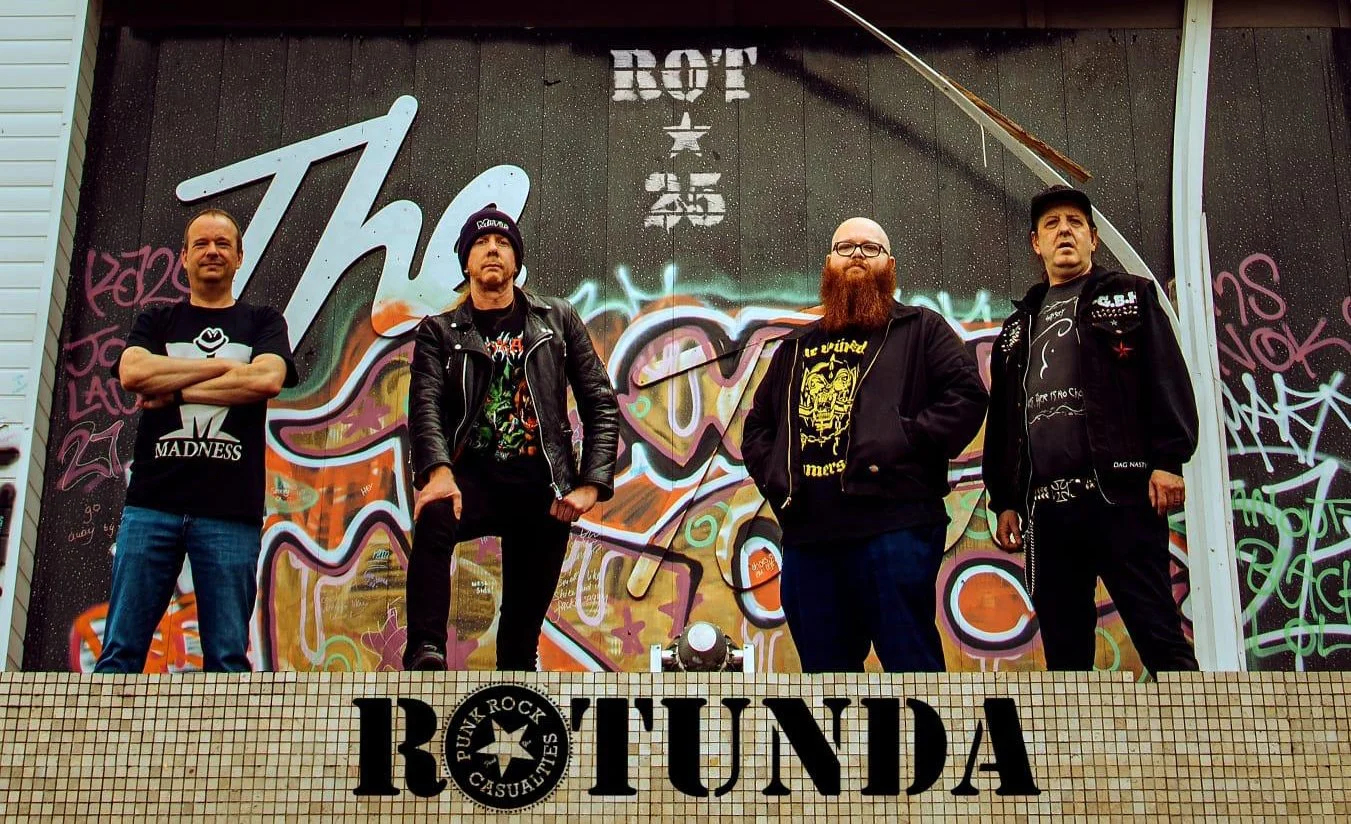
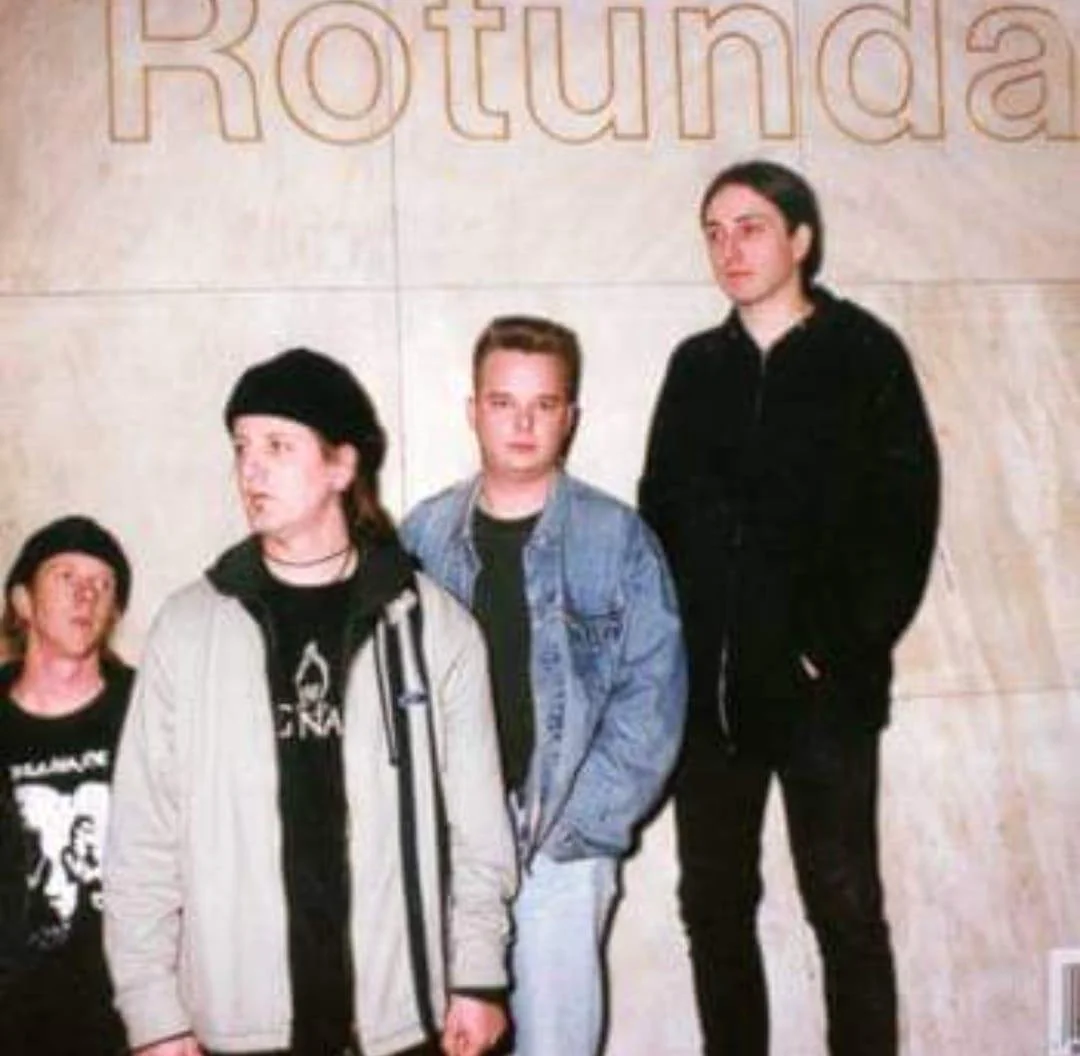
We had the opportunity to conduct an looooong conversation with the veteran Birmingham punk band, Rotunda, whose name pays homage to an iconic local landmark. Known for their blend of street punk with elements of Oi! and hardcore , the band has been a fixture in the UK underground scene since the mid-to-late 1990s. Lou, Dave, Steve and Lee (Guitar) discuss their origins, musical evolution, and the continuing importance of the DIY ethos. They recount memorable moments, from playing with The Damned and a notable radio feature on Steve Lamacq's show, to the wilder side of their live performances.
Let’s get into it!
Rotunda formed in 1996. Can you describe the initial vision for the band, especially the early shift from a "Power Violence" idea to a more melodic hardcore style?
Steve (drums): One for you Lou. It was your vision.
Lou (vocals): Well, we started, we started off thinking it was going to be like a project. Just short-lived project, just making a fucking right racket, doing power violence, and then we recruited pikey on guitar, and then we started writing more melodic punk stuff.
Steve: It was definitely Pikey who made it more traditional, guitar based punk.
Lou: Yeah
Dave (bass): There was a couple of weeks, 2 or three weeks, maybe even a month with just Hawkman on guitar
Steve: the fucking drum machine haha
Dave: Yeah, haha. And thats when Pikey came in and he was writing the more punk stuff
Lou: And our musical direction changed then. we went from being more of a noise band to more of a melodic punk band to start with. We've started writing our own stuff.
What was the Birmingham music scene like for a punk band starting out in the mid to late 90s, and how did it influence your early gigs and sound?
Lou: The early 90s Punk scene, id say it was before the internet. So a lot of people would have to come to the gigs knowing what was going on from reading magazines or picking up a flyer, but the punk scene in Birmingham was massive in the 90s, there was loads more gigs, and there was a lot more bands touring and playing independent venues.
Dave: American bands
Lou: American bands, you had more independent venues for starters and you had independent promoters putting on American bands. And then you had other promotes putting on DIY punk gigs in Birmingham, and so you had a great punk scene didn’t you Dave
Dave: Yeah, yeah. So you'd probably have people like Johnny Doom actually putting on some of the more underground gigs and then Greg from The Foundry would be putting on the fat wreck chords bands and the Epitaph bands wouldn’t he.
Lou: And you'd got Simon Johnson doing the Midland red doing emo punk stuff, and he was doing the power violence and the and the hardcore gigs. And yeah, Birmingham id say, a very strong punk scene And how did how did the music influence us?
Dave: How did it influence our early gigs and sound?
Steve: Our first gig was what, Snuff?
Dave: Yeah. Well it influenced Pikey, didn't it because he was into all that Fat Wreck Chords stuff.
Lou: Yeah so the hearing hearing new bands and discovering a lot of the American underground Punk bands, yeah, it did influence us. But, yeah, we didn't copy them. we were doing our own stuff
Steve: It was more a mixture of the two. We were influence by both the American bands and the UK bands
Dave: I always thought we ended up sounding like a cross between Sham 69, The Exploited and Face To Face haha
Your name comes from the iconic Birmingham landmark, The Rotunda. What significance did that building hold for the band when you chose the name?
Dave: Alright. Yeah, well, Louis wanted to form this band, this power of violence band. And we needed a name that was significant to Birmingham, and the Rotunda building in Birmingham, well, you can see it from miles and miles around. It was an office block at the time I think. And it's quite an iconic building. It's an unusual building for a start. So we ended up, we were in The Foundry, We were all around a table. What we're going to call this band? And we were all thinking of the same thing, but I think it was actually Dave Burton, that said it. We were all thinking it, but he said it first. Yeah, Rotunda!
Lou: We thought, Yeah, that's a great name. Because it's a Birmingham icon, an iconic building. It used to have the Coca-Cola sign on the top and the the clock, and you could see it for miles couldn’t ya. We wanted to represent Birmingham. We wanted to represent it where we were from Birmingham. We thought, let's have a name that's connected with Birmingham, and we thought of the rotunda.
Steve: We played a gig there as well. On the balcony, I think it's on the third floor.
Dave: Yeah, there's there's a balcony. If you walk past, where the little sign is where you can walk into the place. There's a balcony just there, and you can see like a white ball on it. And it was in it was in one of the flats that just opened the doors. We actually played in front of the kitchen and everybody else was outside.
Lou: That was a mad night that was!
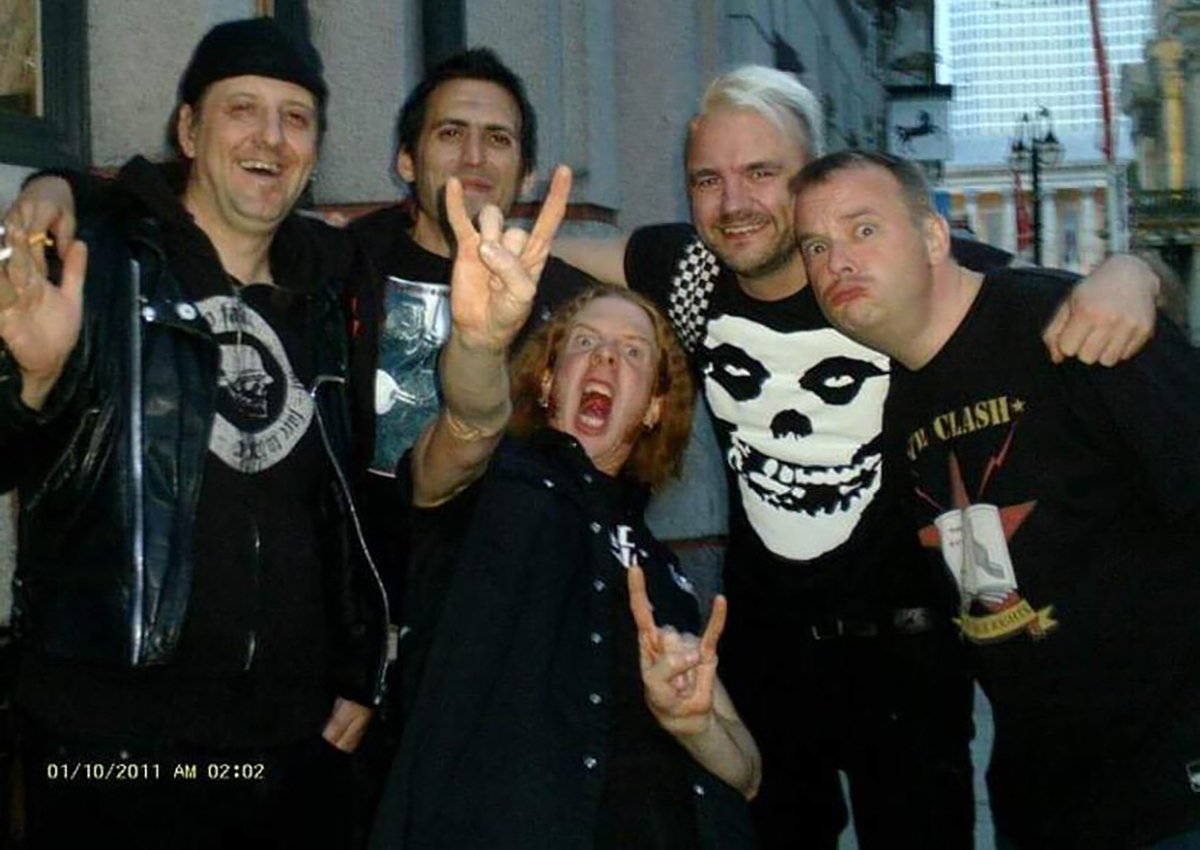
From supporting Snuff at the Q Club in 1997 to playing Rebellion Festival, what has been the most significant moment in Rotunda's history that made you feel like you were breaking through?
Dave: Playing with The Damned at The institute.
Steve: Being played on Radio One that one time. Playing with the Misfits although we didn’t actually get to play.
Lou: Playing Anarchy in the UK with Rancid.
Steve: What about Holidays in the Sun in Morecambe. That was our first festival! When when we got paid 400 quid to play someone's wedding.
Lou: Yes, that was good. Another great gig was when we played a Brighton that weekend went Fatboy Slim was there. We played that punk's picnic thing and it was fucking packed in Brighton. There was that many people there it was mental.
Dave: Was that with Cap Down?
Steve: Yeah
Lou: Dave, what’s another great gig we’ve played?
Dave: God, there’s been loads aint there! We've got that Birmingham/Black Country gig in Bearwood where the chandelier came down!
Lou: That was crazy. There was playing that Chernobyl gig in Glasgow. Oh, and of course playing in Oslo. We played in Norway three times now.
Steve: Yeah, and were definitely going back!
The band has seen members come and go (and some return). How does a change in lineup impact Rotundas songwriting dynamic and overall sound?
Steve: I think when we had Stu in the band it changed. That was the only significant change. It was a bit more jingley jangley.
Lou: Our initial line was Steve on drums, Dave on bass and Pikey on guitar oh and me, Louie, the singer. When we started out we did our first record, our first real release was My Only Weapon. A real good release it was. We done well with that. Our sound was quite significant, we had a great punk sound to start with. Then we added different elements to the band. For our second EP we added a second guitarist and it thickened our sound up. We had Jason and Pikey on guitar. Id say it made our sound a bit more hardcore. Jason left the band and then we got matt in the band and we carried on that vein of hardcore. Then I left the band and you lot carried on without me and matt took over the vocals. Then matt left the band and I returned and we added Stuart and we went a bit more poppier then.
Steve: Yeah, definitely, definitely.
Lou: And then Pitney left the band and we replaced Pikey with Neil and that’s when we did Rotten to the Core and Rotundas sound went a bit more melodic then. Then when Neil and Stu left the band we recruited Joe and we went back into being a bit more hardcore again then.
Steve: Yeah, we went back again then
Lou: And when Joe left the band we recruited our latest guitarist Lee and we’ve carried on the vein of a more punk influence. More Oi punk influenced.
Steve: Its always been whoever in the band which is good because its all different influences.
Dave: It changes every time we change guitarists. They all have their own techniques and influences and their own way of playing. Even their own sound
Steve: Yeah, but you can always tell its Rotunda though.
How do Rotunda's songs typically come together? Is it a democratic process, or does one person usually bring the core idea (riff, lyric, melody)?
Steve: Again, that changes. I mean, Pikey’s delivered complete songs before and other times we’ve worked on it like a collaboration type thing.
Lou: I think what the initial thing is. When someone comes up with a melody or a riff and we try and work it out but I don’t think there’s been many occasions when someones come with a complete song written and thats the song. Its definitely a democratic way of doing thing.
Dave: The only person who ever came with complete songs was stu really
Lou: Sometimes we’ve come up with an idea and gave it to the guitarist who’s gone home and worked on it and comes to rehearsal with an idea
Steve: Yeah, it kinda evolves really
What are the recurring themes you explore in your lyrics? Is there a particular message or feeling you want people to take away from Rotunda's music?
Lou: I’d say that our lyrics are sometimes political but other times they’re just lifestyle lyrics. Sometimes I’m trying to write the idea of what I’m seeing and what I’m hearing. Our lyrics, id say, yeah there’s political elements but we’ve written songs about films, we’ve written about relationships and songs that are just a bit of a laugh as well haven’t we?
Steve: Yeah, what a doss!
Lou: Just a bit of everything really
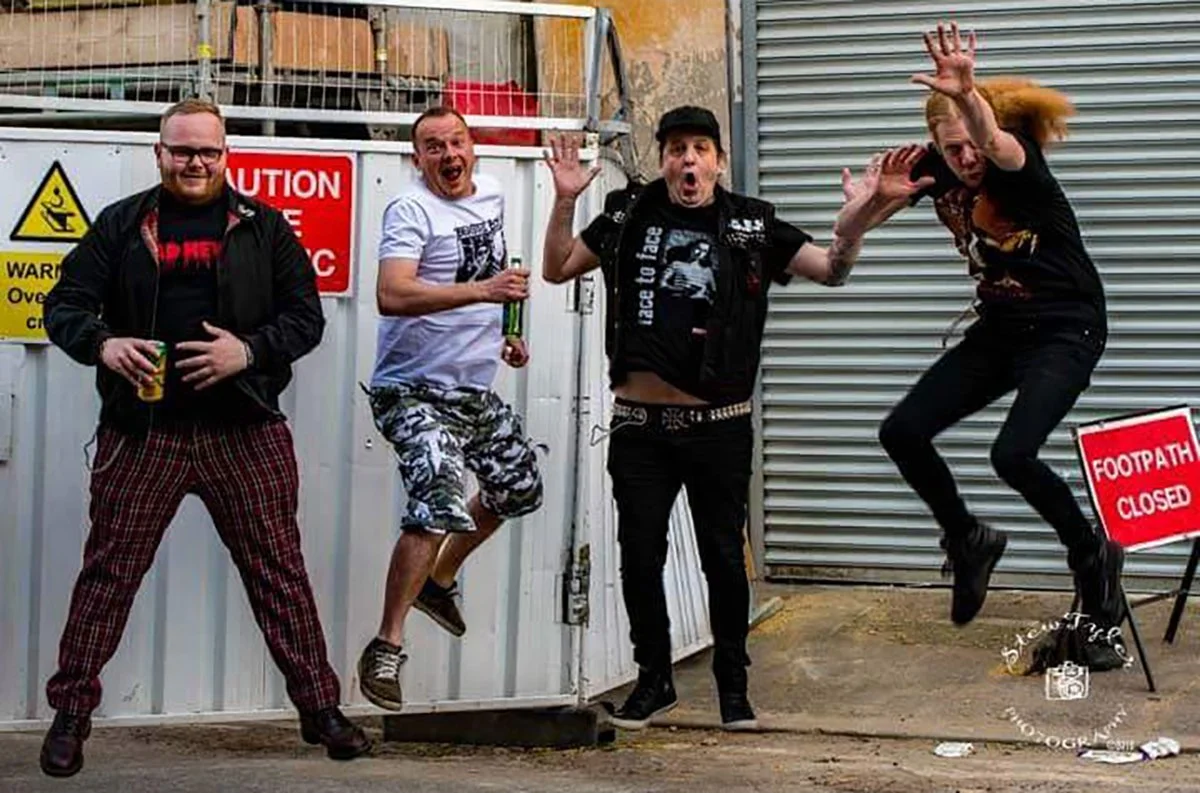
How do you feel the band's approach to songwriting and recording evolved between the early EPs like My Only Weapon and The Tribe, leading up to your debut full-length, Chalk It Up?
Steve: Well I’m a lot more comfortable recording that I was when we fucking started thats for sure. I find it interesting.
Lou: When we first went to Magic Garden we were complete novices. We didn’t know what we were doing so they just took control and they looked after us. But as we’ve recorded over the years with different people. We’ve listened to what the producer and the engineer have got to say but we’ve had our input as well. Dave?
Dave: I fucking hate recording louie.
Lou: Lee?
Lee (guitar): I’ve only done it once haha but it was a great experience. I enjoyed it
Lou: Its good when you go into a study because you kind of, when you break the song down and you can hear all aspects of the recording, even on the day of recording, you can add something that wasn’t there before.
Steve: I love it, seeing how it all fits together and with all the computers and shit.
Lee: Its nice to be able to hear what other people hear. Its different when your playing it but that first time you hear what other people hear
Steve: Yeah, its like being in the audience of one of your own gigs
The track "Neutron Bomb" gained national attention when played by Steve Lamacq. Can you tell the story of that moment and how it hanged things for the band?
Lou: Dave, do you wanna do this one?
Dave: There was a promoter who was putting gigs on in Birmingham and they did a Birmingham fringe festival.
Steve: It was a BBC Radio One fringe festival wasn’t it
Dave: Yeah, and you had some big bands playing it.
Steve: At the time
Dave: Who was it?
Steve: It was Basement Jaxx
Dave: Yeah. They were playing at the Birmingham Academy and we played on the fringe which was at Scruffy Murphys which is literally spitting distance and the place was absolutely rammed! I think we played with Road Rage didn’t we?
Lou: Yeah, we did yeah
Dave: And they were flying out the door they were it was that packed in Scruffy Murphys. Steve Lamacq went to the academy to see Basement Jaxx but he’d heard Neutron Bomb because this promoter Rob had sent him the track and he made a special effort to come to Scruffy Murphys just to hear that track. So he skipped out Basement Jaxx early to come see Rotunda play Neutron Bomb
Steve: He did a big build up on it before he played it on the radio [impersonates] oh I was hoping id get there in time to listen to this song and I knew I hadn’t missed it because someone was calling for it from the audience. Yes!
Dave: And he hung around with us for a bit afterwards
Lou: We had a heads up it was gonna be played on the radio and we were all around listening because it was the first time wed been played on national radio. We were all gathered around and he gave us a really good intro didn’t he
Steve: Yeah, it was a good intro, yeah
Lou: Great experience
Steve: Not much really come of it did it haha were not millionaires now haha
Lou: I think being a DIY underground punk band being played on national radio, you know, I think it did opened a few doors for us
Over your career, how would you describe Rotunda's sound to someone who has never heard you? Which elements of classic punk, hardcore, or Oi! are most important to your musical identity?
Steve: Ooh, thats a cheeky one init. I think we just do what we do really
Lou: Id describe our sound as street punk
Steve: Yeah, id say street punk
Lou: Street punk with elements of oi and elements of hardcore. We have got some poppier songs, and some hardcore songs and we’ve got some sing along songs people can join in with. I think thats what people like rotunda for. We’ve got …
Steve: A varied …
Lou: Yeah, a varied mix. We’ve got some people come see us who wanna hear the hardcore songs and we’ve got some people who want the poppier stuff
Steve: And they all get along
Lou: And its balance sometimes. But yeah. It is a mixture. But we come under the umbrella of street punk
Dave: Yeah, none of the songs are the same. All the songs are a bit different. I think thats what gives Rotunda its appeal
How important is the classic punk DIY ethos to Rotunda today, and how do you apply it to your current releases and touring?
Lou: It’s what we do
Steve: It’s important
Lou: We rely on DIY promotion. We rely on DIY venues, independent venues. We rely on …
Steve: Fanzines
Lou: And internet radio
Dave: Social media
Lou: Social medias yeah. And a lot of the other bands we play with are DIY punk bands so how we get gigs is bands play in Birmingham with Rotunda and say they’re from Sheffield and they’ll do a return gig
Steve: And Birmingham bands will recommend other Birmingham bands around the country and stuff like that
Lou: Its a punk rock family. You realise that when you play Rebellion, how many people you meet who have discovered Rotunda just from being on the underground DIY punk scene
Dave: We have sort of got a name for ourselves after all these years, people have heard of us. A little bit of a cult status around the UK
Steve: We have been going a while now haven’t we?
Lee: I think I was 10
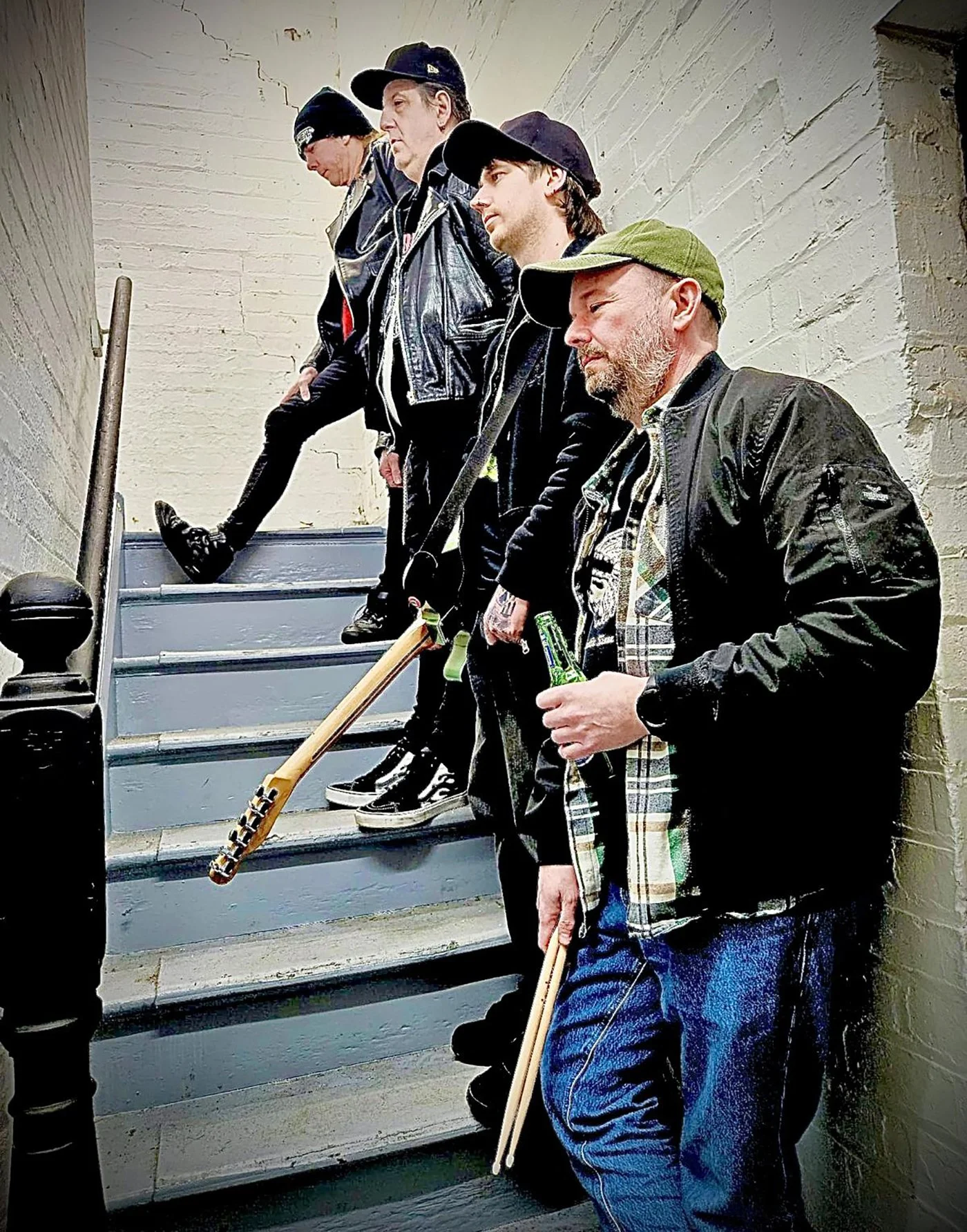
Fifteen years passed before Chalk It Up was released. What keeps the core motivation and fire alive to continue writing and performing punk music after so many years?
Steve: I just love fucking performing I do. I love gigging. The random people you meet and stuff like that
Lou: I haven’t grown out of it yet and I’ve been into it for 35 years
Steve: I love gigging and I love recording. Sometimes, when a song comes together you get a funny felling and you’re like wow thats ace. When it finally clicks together.
Lou: What do you like about it Lee?
Lee: Erm, although I haven’t been doing it 35 years
Steve: Alright, young whipper snapper haha
Lee: Doing it live is fun! Most my life I haven’t really had other musicians to play with. I’ve just played at home alone along to cds or Spotify now and its great to play properly with other musicians
Steve: You can play with me anytime lee
Lou: I still get nervous before a gig but afterwards, I love the interaction. I love talking to people and I love playing to, I love playing at new venues and I like playing to people who haven’t seen Rotunda before and I get a kick out of it sometimes. I always just imagine I’m playing to my mates still. And when you play to people who don’t know your band
Steve: And they sing along!
Lou: Its a buzz
Steve: I love the gigs when the crowds really into it. It really spurs you on
Lou: Its like when we went to Norway, the first time. We started playing and the crowd, we didn’t know anyone there. and the crowd, they knew our songs and they were singing along
Steve: It blows your mind a bit
Lee: I bet they don’t know what your singing about, they just know the words
Dave: I dunno about that, they spoke better English that we do
Which current or past bands from the Birmingham area do you feel are essential listening for someone wanting to understand the local punk scene?
Steve: Well obviously GBH
Lou: Well you’ve gotta start with the biggest punk band from Birmingham
Lee: After us
Steve: No, were the third
Lou: They’re world wide famous punk band GBH. Still going today. Still touring. Still relevant. So id say if anyone wanted to check out the punk bands you can’t go far wrong with GBH. Then you’ve got Drongos for Europe, they’re another great band from Birmingham.
Dave: They’ve been going about as long as GBH too
Lou: Birminghams had so many great punk bands over the years. Bands like Doom, big on the crust scene.
Dave: I suppose you could put Napalm Death down. They were anarcho punk when they started.
Lou: Yeah, they’re from Birmingham. You’ve got so many underground bands like Healer of Bastards, The Liabilities, Face Up
Steve: Suckerpunch, Angry Itch, The Leechbleeders
Dave: You’ve got Doom. They started out in the punk scene they probably went into more grind and metal. And bands like Benediction, you could class them as crust punk influenced I suppose
What is one of the most memorable or craziest live show experiences you've had, either due to the crowd, the venue, or something unexpected happening on stage?
Steve: Thats The Bear, the fucking chandelier coming down was one. You (louie) getting punched in the face in Lancaster
Lou: Yeah, that was a memorable gig
Steve: When we didn’t support The Misfits. Getting kicked out The Damneds dressing room by Captain Sensible
Lou: The whole pub singing along to Roy Destroy
Steve: Being given a massive bag of weed in Norway and being told “no, give that back”
Lou: Playing that wedding was good aswell. We played at someones wedding. We had to fro a matinee and then we went off and the guy have us some money to go the the pub and we got absolutely pissed and we had to do an evening performance
Steve: It wasn’t as good as the afternoon performance
Lou: We were fucking terrible
Dave: And id had everybody’s white port by this point. No-one was drinking their white port so I had em all
Steve: He gave us money to go to the pub but he also gave us 24 cans of Stella haha
Lou: Another memorable gig we played too was we played the last ever gig at the Foundry didn’t we. It was total carnage and someone dressed up as a mummy. They wrapped themselves in toilet roll, they got on stage and someone set fire to them on stage
Dave: There’s a video of it somewhere but we haven’t managed to track it down
Lee: What about that bondage party one?
Dave: The porno party, yeah
Lou: Oh yea, that was weird that one
Dave: There was barely anyone there and we got absolutely twatted
Can you talk about your more recent material, such as the Spitting Feathers EP, and how the addition of newer members have influenced your latest songs?
Steve: Spitting Feathers was Stu really wasn’t it.
Lou: When were talking about Spitting Feathers, it seems quite old for us now. We did Spitting Feathers when Stu was in the band. It was an EP we put it out and it did really well.
Steve: We’ve done a few since then
Lou: Then we released the album Rotten to the Core. That was released on Nunny Dave Records. The veruccas were on that label, and English Dogs. Erm, Sick on the Bus were on that label. There we so many great bands on that label. Rest in peace now, Nunny Dave has passed away I’m afraid. But he helped us out a lot with Rotten to the Core.
Dave: He used to lend you money. He’d pay for the recording and he’d put the record out on his label and you’d pay him back when you had they dough. He wasn’t hardcore with it. Just when you had the money you would pay him back.
Lou: After Rotten to the Core we had another EP called Spoils of War and that was a good little EP. That when Joe was in the band and we’ve sold all of those. We’ve got none left. And since then we’ve done another called I Refuse which we did erm
Dave: In march
Lou: Im march this year and its doing ever so well
Dave: Its digital only at the moment
Steve: Were working on writing new tracks and well get it out on CD at some point
Lou: And we did that with Lee
If Rotunda could pick any band or producer, past or present, to collaborate with on a new track or album, who would it be and why?
Lou: I wouldn’t mind going to the blasting rooms in America
Steve: Go for it, if they’re gonna pay for it haha
Lou: Or maybe go to Maida Vale in London and do a recording for the BBC, that would be great.
Steve: What about producers? Butch Big?
Lou: Steve Albini. Who would you pick Dave?
Dave: Err, I dunno. Who’s that guy who did that recent misfits stuff? Ed Stasium? He’s pretty good
Lou: Who did the offsprings stuff?
Lee: That was Bob Rock
Lou: But you didn’t like that did you?
Lee: No, haha
Dave: Bob rocks not good for punk, I think he’s better at metal. I’m not sure about those offspring albums he did
Lee: They sound too poppy.
Lou: There’s loads of new producers around doing stuff now. The chap who produced our latest EP Miguel from upstairs at Robannas he’s done a fantastic job. I really rate him I do
Steve: Yeah he’s good isn’t he
Lee: Hes nice and close too
How do you prepare for a festival set versus a smaller club show, and which environment do you feel Rotunda's energy connects best with?
Lou: I don’t think we differ that much really
Steve: I don’t think we differ in preperation, we just fucking get on and do it
Lou: We differ the set though. If were playing with more hardcore bands we sometimes play, id say our heavier songs, but if were playing a punk festival we play all the bangers
Lee: Maybe a bit more alcohol at the festivals? After we play
Steve: After we play yeah, I try to stick to 3 maximum before we play
Dave: You play a festival and its more organised in a way. The backstage staff are very professional. They’ll get you on and off stage really quickly
Dave: Like at rebellion its timed to perfection
Steve: And the sound on stage is fucking awesome isn’t it
Lou: You’ll have a stage manager at a festival and things are a lot more organised. You don’t get that much of a sound check but the gear that your using is spot on
Steve: I like playing the festivals and the bigger venues. There’s a lot more room on stage but I think its the audience isn’t it with a little stage. They seem more into it. You can’t see so much when your doing a festival so it doesn’t seem as much that they’re there if you know what I mean
Dave: It depends who your up against as well. Who else is playing, will you get a big crowd?
Steve: You always get the Brummies though, well, most of em
The music industry has changed drastically since 1996. How do you view the role of digital platforms, like streaming, social media, in the modern punk scene?
Steve: Its unavoidable isn’t it. Its all the kids do now
Dave: Its opened everything up hasn’t it, its opened it up. You can have your track across the world in a second
Lou: I think that having your music available that’s free is great for people who haven’t got much money and they can access the music but understandably, we don’t make any money off some of those social platforms at all. The money we do get back is pittance. So I think in essence its better to buy a record or a cd because then you’ve actually got something you can look at and you own. With the digital think, especially with some of these social platforms, I don’t think people listen to full albums. They just listen to one and off to the next one.
Steve: Yeah or they shuffle albums. What are you doing that for? You’re supposed to listen to the album in order.
Lou: So there’s good things and there’s bad things. The bad thing with social media is bands don’t get any money. With selling your records and ads, the band actually get money back for their hard work.
Steve: I always buy stuff directly from the bands. They definitely need it.
Dave: Yeah but social media does promote it though doesn’t it. So if you’re a punter you can actually top to the band to buy the stuff.
Lee: It makes promoting gigs easier swell. Especially out of town ones
Dave: Its got its good points. I don’t know about my phone pinging all the time though
What’s next? What are Rotunda’s immediate plans? Are you working on any new recordings, music videos, or planning an upcoming tour that fans can look forward to?
Lee: We’ve got a couple of songs, a couple of ideas were getting ready to, hopefully record early next year. We’ve got gigs starting to come in for next year and a nice charity christmas gig this year for Birmingham Childrens Hospital
Lou: Our diary filling up for next year and there’s hopefully some news on some European dates for next year and there will definitely be new material out next year. That’s our next big thing, putting out some new stuff.
Steve: Its catch 22 really. The more gigs you get the less time to work on new songs but we need the gigs to fund the recording.
Lou: Sometimes we thing oh we haven’t got any gigs this month and all of a sudden were offered gigs left right and centre and we have to work our way around it. And with touring, were always up for doing out of town gigs
Lee: So long as they’ll pay the petrol, well play there
Anyone you’d like to thank?
Sophie Gibbons for our social media, Mig and Robannas, DJ Billabong, all the DJs and podcasters playing our music around the world, Ratbones, The Fects and Roy Destroy from Norway, Daz Russell, all past members: Mark Hawkesford, Mike Pike, Jason Webb, Matt Pilborough, Emma Downing, Stewart Tyler, Neil Harvey, Joe Tasker and honourable members: Ste Martin, Micheal Tattler and Danny Abrahall
And of course …. The fans!
LINKS:
https://www.instagram.com/rotundabrumpunx?igsh=MTZwbjQ5NHdhYnZ2eg==
https://www.facebook.com/share/1CVFHt6vRT/
https://x.com/RotundaPunkBand?t=K2I2YGGZGD824HWKM_2Z8A&s=09
https://open.spotify.com/artist/3xVHhygrHPmcQovoXm8v2O?si=SY6t26tjSOCTlbjri2IQ_Q