

Va A Ser Estupendo: An Interview With Seattle’s Güero Brown
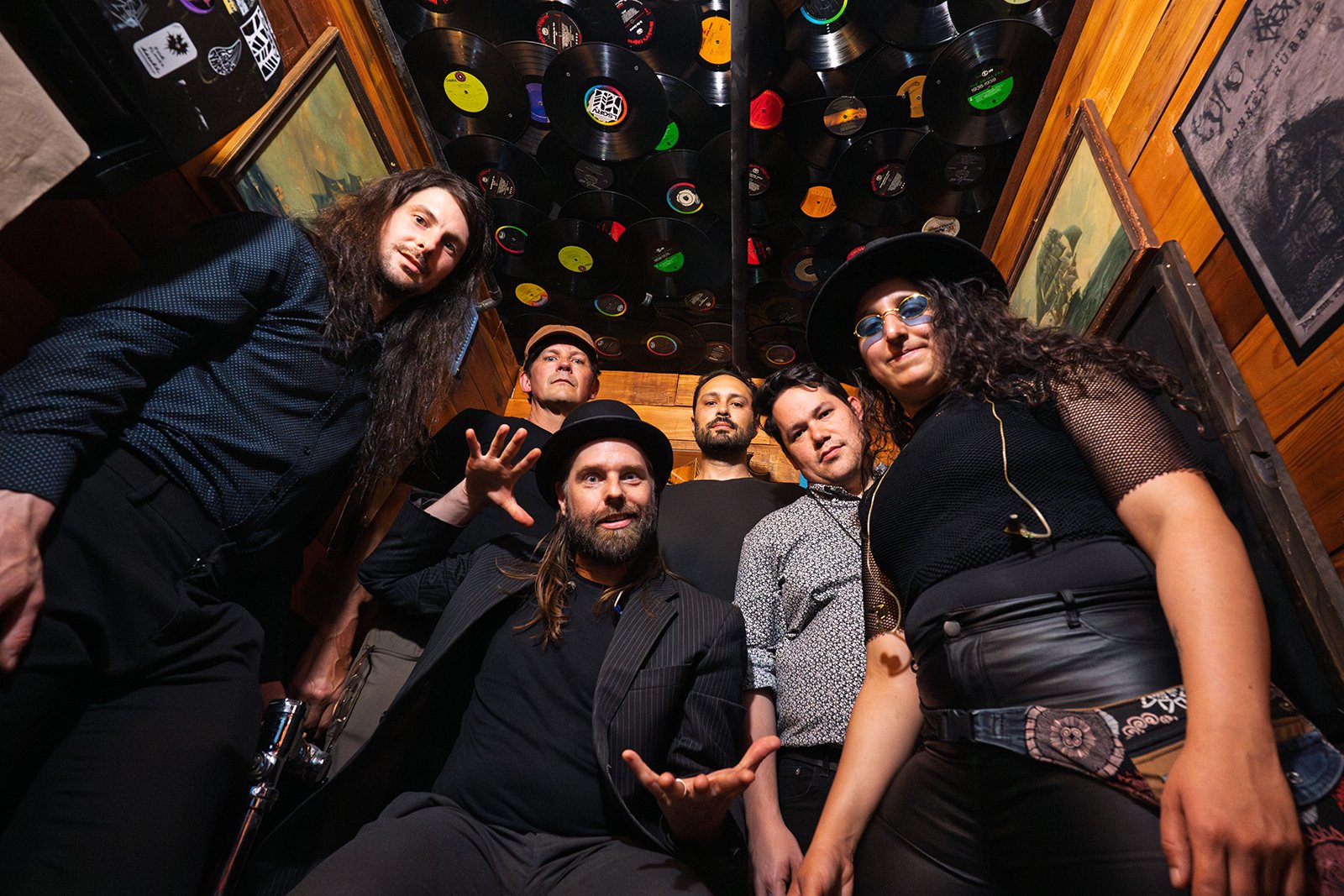
Photo credit: Miguel Nunez, Soundglare
Seattle’s Güero Brown mixes rock with global influences, celebrating diversity through the band’s very name - a blend of white and brown. Their high-energy music combines catchy melodies with thoughtful lyrics about unity and social issues. With a frontman who speaks several languages and draws inspiration from cultures around the world, the band creates songs that feel both personal and universal. Including saxophone and keyboards alongside classic rock instruments, they bring an energetic, inclusive spirit to every show.
What inspired the name Güero Brown, and how does the “café con leche” concept reflect your band’s core mission of celebrating diversity and hybrid influences?
Güero Brown was years in the making. I grew up in a small town in West Michigan where diversity was scarce, but as a young adult, I learned Spanish, lived abroad and traveled extensively. Fast forward to 2016, I’m married to my wife from Mexico City, Sara (aka Bear) and she, my in-laws and other Mexican people refer to me as “el güero.” In Mexican Spanish, the term means “white” or “of a light complexion.” It’s like “gringo,” but different.
Anyhow the nickname stuck, and that’s who I am, el güero. Hearing my first name immediately takes me back to the past, or to scolding: Bear only calls me by my first name when she’s mad at me (laughs).
In Mexico, I was working on what would become the first Güero Brown album, and when it came time to choose the artist name, I had a moment of realization that I had spent over half of my life speaking Spanish and interacting with Latino cultures, and I felt that combining “white” and “brown” was a cool way to represent the combination of different cultures alive inside me. And by extension, I felt that it provided a good umbrella to celebrate diversity – in musical influences, in song composition, in the lineup, and ultimately the people we’re trying to reach.
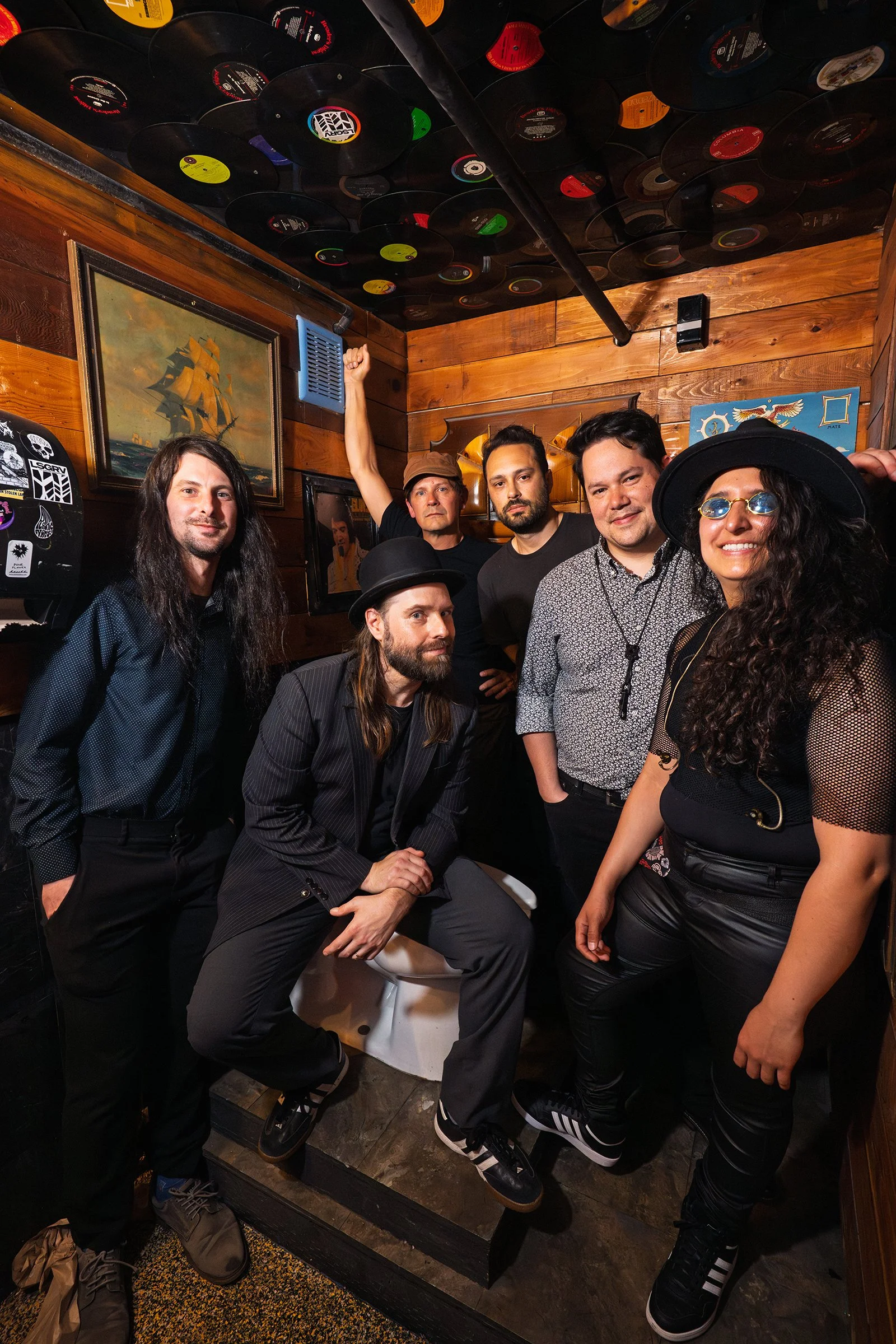
Photo credit: Miguel Nunez, Soundglare
Jason, how does your background as a linguist fluent in Spanish, French, Portuguese, and German shape the lyrical and sonic textures of Güero Brown’s music?
It has a big impact. I can draw on music, literature, film, art, etc. from these cultures, and it can really lend a hand when I’m writing. Sometimes, I need to let a song simmer, but when I come back to it, these languages and cultures can really help me bring a new dimension to finish it.
With a lineup featuring saxophone and keyboards alongside guitar, bass, and drums, how do you balance studio artistry with the raw energy of live performance?
It’s important for me to form an opinion about what elements have the most impact on a recording so I can transfer them to a live performance. It’s about distilling elements for maximum effect. It’s not always apparent, but with patient reflection, the path forward appears.
Your recent album Bläu was mixed by Trevor Spencer and mastered by Ed Brooks — what specific qualities did those engineers bring to the record’s final sound?
First and foremost: It was great working with them because they are experts in their field. Trevor did a magnificent job of bringing the raw tracks to life and leaving his mark on them. There were some moments that were truly mind-blowing, and it’s something that stays with me. And Ed is, well, Ed. He’s been at the top of the game for such a long time. He’s zen, and it’s always beautiful to master an album with him. I really need to finish more music just so I can master it with him at his studio because it’s so enjoyable.
Among your planned international shows in Chile, Mexico, Colombia, Ireland, and beyond, which upcoming one-off concert are you most eager to play and why?
Chile! We’ve got a date on the calendar for Santiago in the fall (announcement forthcoming). Va a ser estupendo: Mucho sistema.
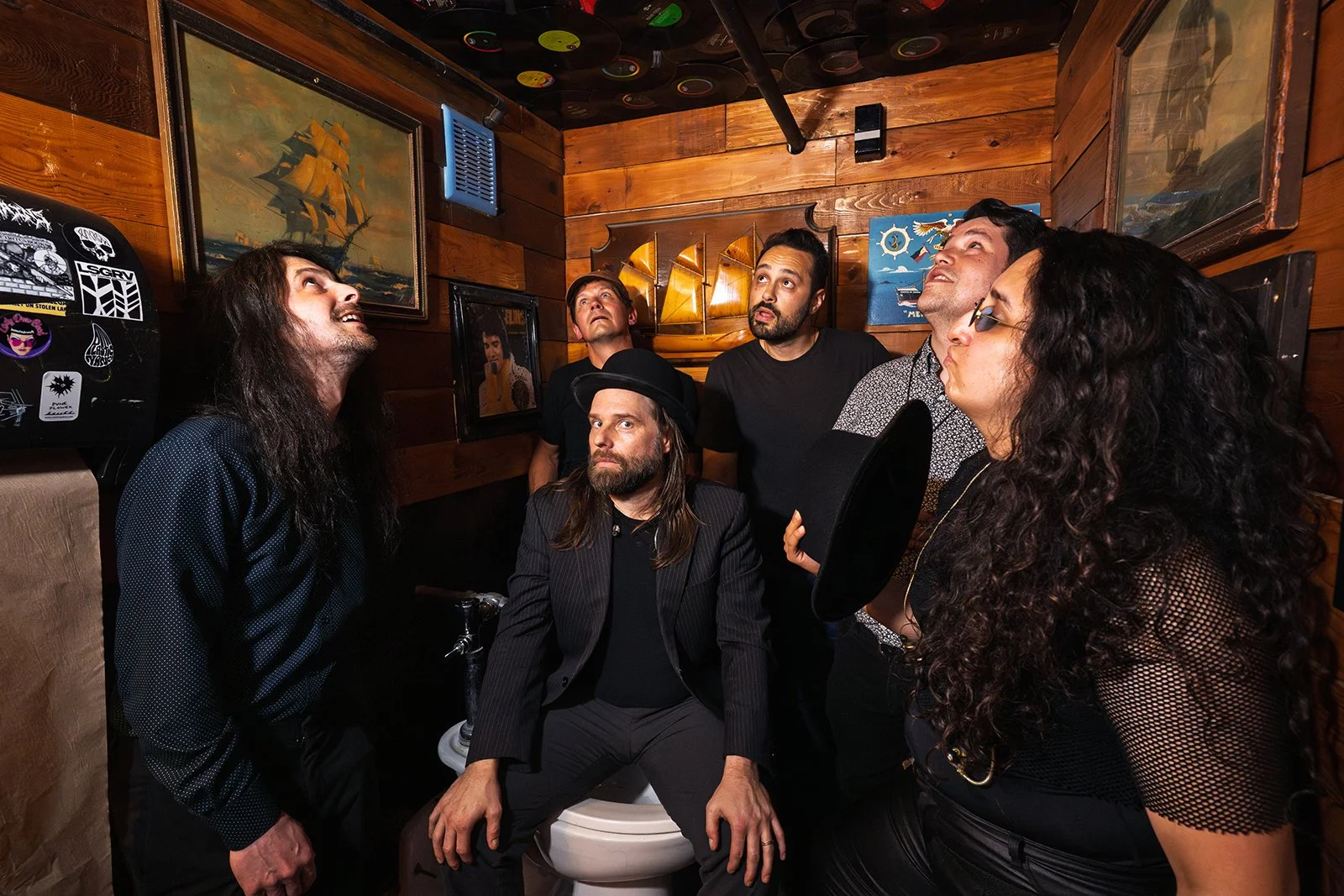
Photo credit: Miguel Nunez, Soundglare
Songs like “I Keep Driving” and “Floods! Fires!” carry political weight — how do you weave socialist themes into your music without sacrificing melodic accessibility?
I’ve gone through different phases that have included a lot of melodic influences: The Beatles, Weezer, Elvis Costello, David Bowie, Electric Light Orchestra, and more. They really serve as a guiding light for melody and hooks. And on the flip side of the coin, I also love heavy metal, and some of my favorite artists, such as Faith No More, Pantera and Metallica, also know how to temper melody so that it doesn’t go over the top like Sly Stallone. It helps balance things out.
When it comes to socialist themes, for me it’s important to be careful about how many words I use. The more words, the more diluted the message can become. I’ve always been a fan of short stories and poetry because they really lay importance on the words.
After that, let’s not forget imagery. I like to paint a picture for the listener. If I can do that with limited words and a solid melodic foundation, the song works. The melodic foundation will bolster the words and the imagery.
What role does cross-promotional playlist collaboration with artists in places like Peru, Brazil, and Michigan play in expanding Güero Brown’s global community?
It’s an extension of who I am, and it’s a role I’m happy to undertake because it’s within my limits. Every artist operates within boundaries, and it’s important to realize what’s viable and what’s not. For Güero Brown, it’s possible to connect with artists across the globe, and we’re grateful to be able to do so.
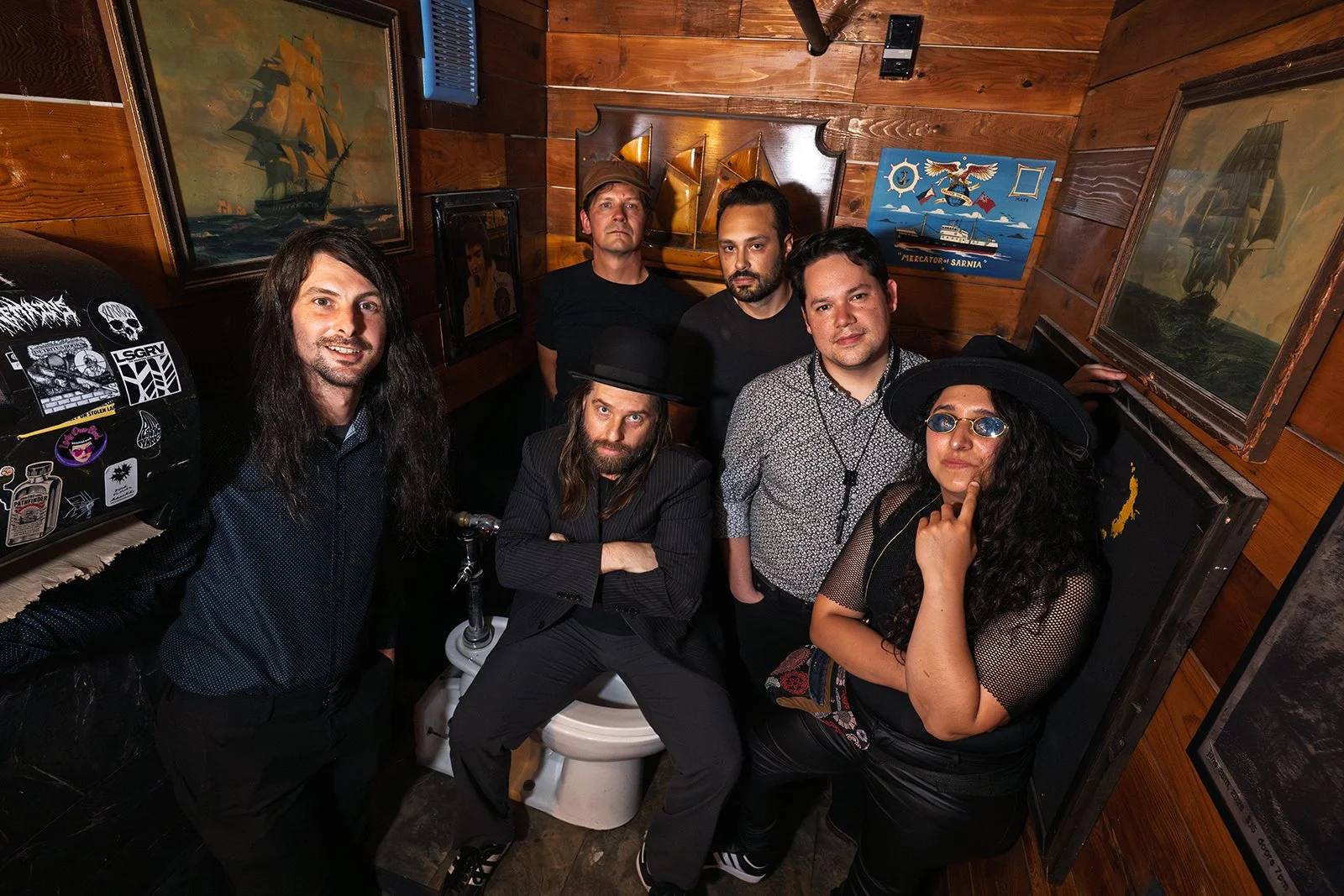
Photo credit: Miguel Nunez, Soundglare
Given your influences range from David Bowie and ELO to Smashing Pumpkins and Faith No More, how do you channel such diverse touchstones into a cohesive alternative band identity?
It’s a challenge, for sure. For a long time, the journey was one of imitating and absorbing influences, but now they – from David Bowie, ELO and Faith No More all the way to Waylon Jennings, The Cure, and Olivia Newton John and then back to Smashing Pumpkins and Pantera, to name a few – float around in my brain space, and it’s fun to pluck them out of the brain clouds when writing and refining a song. Writing a song used to be a hard challenge, but now it’s a fun challenge.
Anyone you'd like to thank for their support?
Massive thanks to family, friends, fans, colleagues, collaborators... To anyone involved to any extent: We are grateful for your support. You help us keep the musical journey going.