

By Staff | April 22, 2026
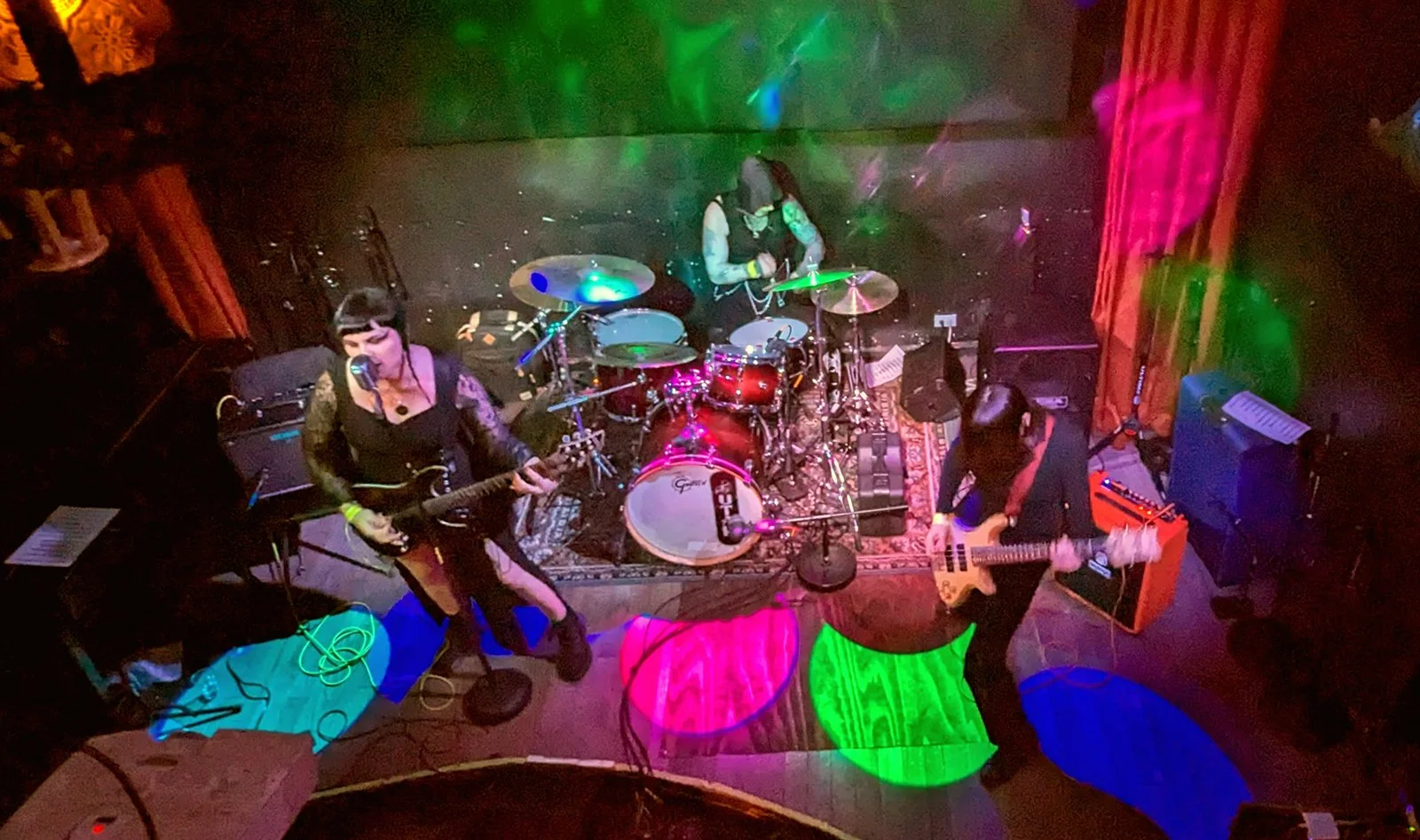
Photo credit: Tymn Urban, Indie After Dark
Born from the tension of the late 2024 political landscape, Wonderland Rejects is a defiant Bay Area trio that transforms the outsider experience into high-energy, groovier-than-thou punk. Comprised of Alice (guitar/vocals), Dolly (bass), and Kitty (drums), the band evolved from the simpler Ramones-style roots of their predecessor, The Feminine Urge, into a more complex sonic beast that blends 90s grunge, early Delta blues, funk-driven rhythms and anything else they feel like throwing in. As queer trans women, they utilize the stage not just for performance, but as a bridge-building exercise in radical authenticity.
Welcome! You played your first show just days after the 2024 election - not a particularly great moment for trans folks. How did that atmosphere shape your performance that night?
Dolly Mymes, bass: Thank you for having us! I remember being anxious and hungry for the stage at our first show and just wanting to represent my Trans siblings in a positive light.
Kitty Cakes, drums: I went in hungry and unapologetically me. My drums were driven by a beat that says we are here and we aren’t going anywhere.
Alice Vendetta, guitar/vocals: After the election, I walked into Tequila Mockingbird with the mindset of the show must go on, regardless of how I felt about the election results. From that performance onward, we've all been dedicated to being unabashedly ourselves while doing what we love, because we refuse to let them drive us off the stage and make us hide in plain side. To quote our song First Puberty Ruined My Life, “they can try to erase us away, but we fight on, here to stay!"
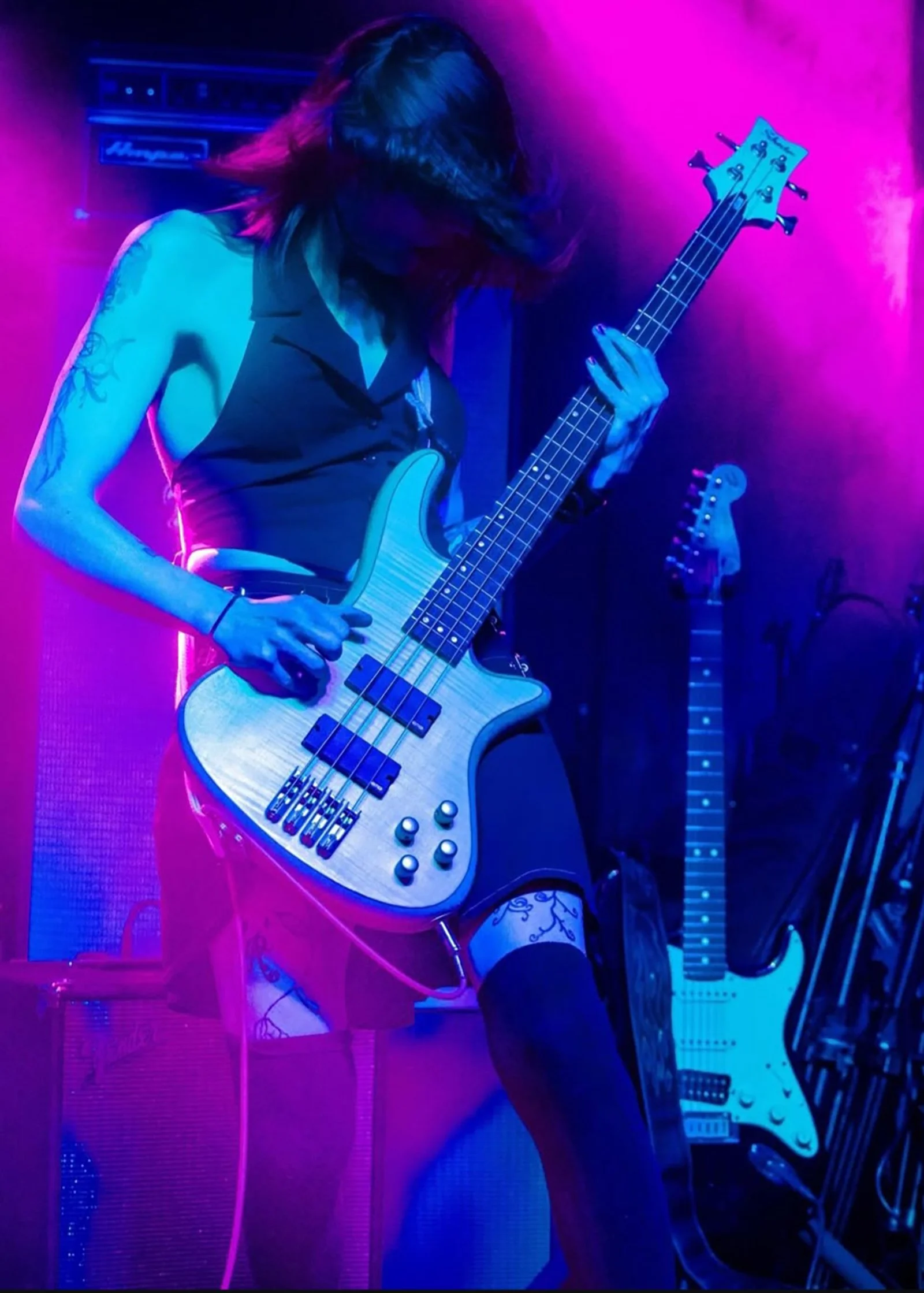
Photo credit: Scott Saldinger, Almost Famous magazine
Alice and Dolly, how does the creative chemistry in Wonderland Rejects differ from your time in The Feminine Urge? Are you exploring different sonic themes this time around?
Alice: With the Feminine Urge, we both were getting reacclimated to being in a band after being on hiatus for a handful of years. During that time, we kept our songs very simple, leaning into a old school pop punk sound, akin to The Ramones. By the time we formed Wonderland Rejects, we had shaken off our rust and went with a heavier, but groovier sound; leaning far more heavily into the early 20th century Delta Blues era, along with the grunge and pop punk bands of the 90s and 2000s that we grew up on.
Dolly: Alice and I’s creative chemistry has grown and matured a great deal just over the past year, as we're constantly exploring news sounds.
Kitty, practicing every day to make up for lost time is an serious commitment. What was the first song or drum fill you mastered where you finally thought, "Yeah, this is where I’m supposed to be"?
Kitty: I don’t know if I have a specific song or fill, but by blending passion with discipline, I fell in love with the rudiments and that is how I knew I was finally right where I was supposed to be. Lost in hours on the practice pad and early kits paved the way for a delightful and adaptive mental garden.
Your name suggests a group of people who don't fit into ... well, a wonderland. How do you use your music to reclaim that reject status and turn it into a badge of honor?
Alice: We came up with the name Wonderland Rejects when I asked, "What's a good name for a trio of Wonderland rejects?", and the rest is history. While some view Wonderland as a positive place so colorful and bright, it's in many respects, a pleasant cage. It's a world built on illusions and absolute compliance whether it's the Red Queen or the White Queen. Everyone's bound to the almighty oraculum, blindly following it, rather than ask the uncomfortable question as to why things are the way they are, while those who do question that order run the risk of a despot screaming "off with their head!"; a lot of similarities to the society we're all living in.
In Wonderland Rejects, we celebrate the freedom and strength of being a Reject; of being true to oneself and standing up for other Rejects; when all the Rejects stand together, Wonderland becomes irrelevant.
Kitty: I feel we have a rhythm that echoes our souls which is to live authentically and bold. I feel that is heard in every note that we will not be put into a box or placed on a shelf. Seeing the crowd get swept up in that is a fantastic badge of honor.
Dolly: Wonderland Rejects utilize a brash sound and authentic truth in our lyrics to promote self authenticity, which is unfortunately frowned upon these days.
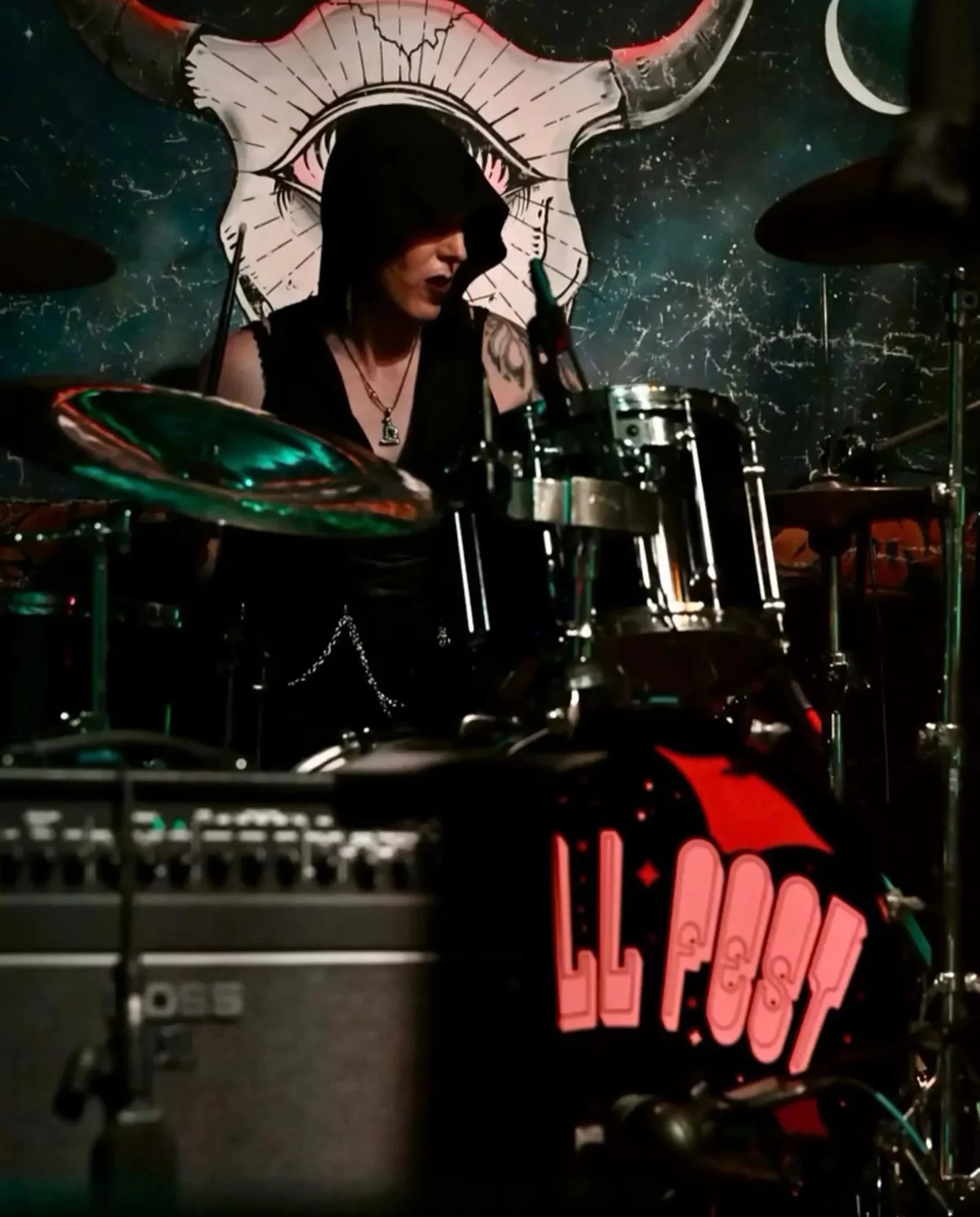
Photo credit: Scott Saldinger, Almost Famous magazine
You've mentioned that the powers that be want marginalized groups to feel disconnected. In your songwriting, how do you balance uplifting party vibes with the deeper message of solidarity and commonality?
Dolly: We add a lot of groove in our music so I think that helps keep up the high energy vibe, while at the same time connecting on a deeper level with the more serious lyrics in our songs.
Alice: Activism’s a big part of our band, but we also understand folks come to punk shows to have a good time. We strive to make music that people can enjoy listening to, while throwing in something they can learn from in the lyrics. With our lyrics, we try to present these issues in a way that people can put themselves in someone else's shoes and have more of an emotional investment in addressing systematic inequality of all sorts.
Kitty: Our music has groove and funk that gets the body moving. I feel when the body is moving to music it opens the mind to hear our message which is impactful and meaningful.
As queer trans women in the Bay Area alternative scene, have you found specific venues or communities that feel sort of like a home base or are you intentionally looking to break into spaces where your presence is an act of rebellion? Or maybe both?
Kitty: I really love playing at Hotel Utah in SF. That is a stage that has seen us at so many points of our life, and the environment feels cozy to the soul.
Alice: As queer trans women, we practice some caution as to where we perform, but we're not afraid to make a stand. We love playing queer and trans specific shows, but we love building bridges with other folks. Some of our most memorable shows have been the ones where the crowd wanted to dislike us, but we won them over with our set, leading to some beautiful bridges being built afterward.
Dolly: There are a couple venues that I feel are home for Wonderland Rejects. Tequila Mockingbird on 2nd street in San Francisco, which was our first gig as Wonderland Rejects. The other venue is the legendary Hotel Utah Saloon.
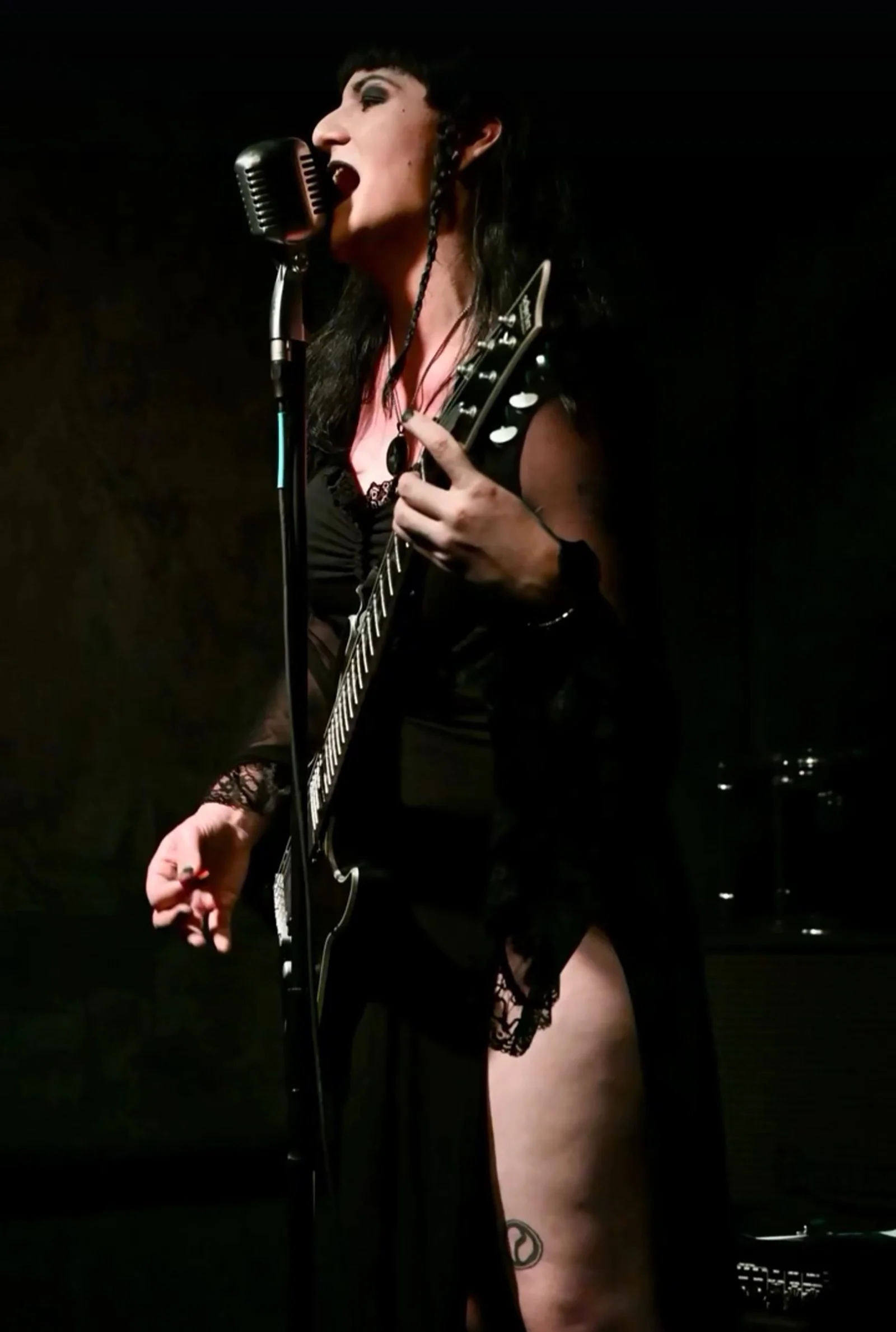
Photo credit: Scott Saldinger, Almost Famous magazine
California has a pretty legendary history of alternative and punk music. Where do you feel Wonderland Rejects fits into that lineage, and how would you like to be remembered down the road?
Dolly: I definitely feel Wonderland Rejects fits more into the queer punk and riot girl scene of California, and I want to be remembered for fighting with punk music during an era of hate.
Kitty: I feel we fit in by honoring the scene and the genre. I hope, years down the road, we're remembered as being electrifying, insightful, and impactful for those that needed to hear us the most.
Alice: I'm grateful to be part of such a powerful and rich musical history built on struggle, pain, resilience, and hope. I only hope we can keep it going for the next generation.
If someone walks away from a Wonderland Rejects show feeling only one specific emotion or having one specific thought, what do you hope that is?
Kitty: I hope they feel alive and that they matter. This system is working as intended, unfortunately, and if folks feel the joy of being alive in music and community then I am a happy girl.
Alice: I hope people leave our shows with a better sense of resilience and community. I love seeing people feel empowered to be true to themselves, while also standing up for their neighbors when they're under bigotry's attack.
Dolly: When any individual walks out of a Wonderland Rejects Show, I want them to feel seen and loved. But also inspired and educated.
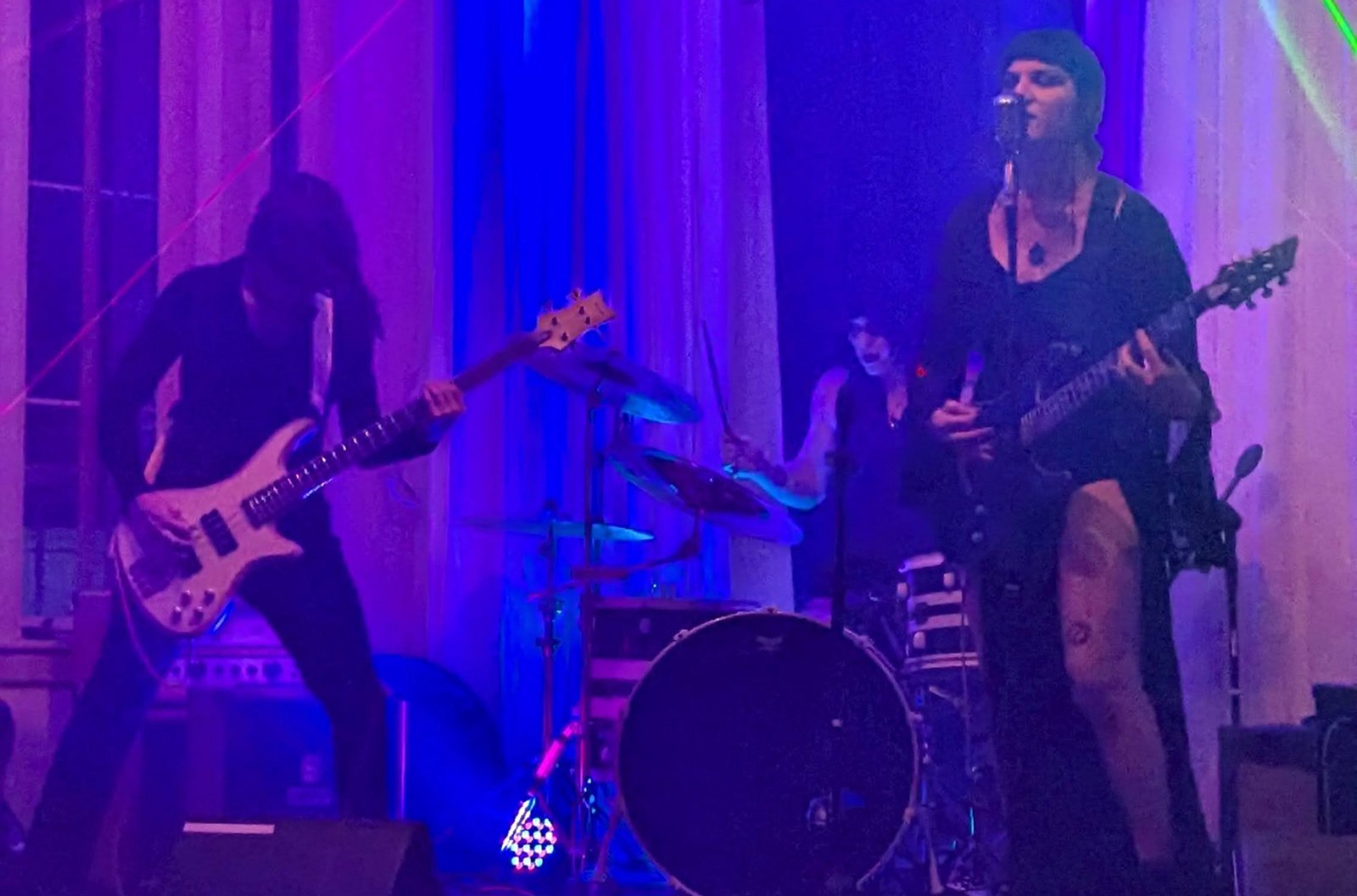
Photo credit: Tymn Urban, Indie After Dark
Anyone you'd like to thank for their support?
Alice: I thank my band mates, Kitty and Dolly for believing in this project; I'm so grateful for our musical family. I also wanna thank all our colleagues who believed in us from the beginning!
Dolly: I want to first thank my band mates, Alice and Kitty for believing I could do this in the first place. Id also like to thank my Fiancée for being such a wonderful support. And thank you to all our fans, we're nothing without you!!
Kitty: I want to thank Alice and Dolly for their love and the gift of music.
Thanks to the Wonderland Rejects for stopping by, and for standing up for what’s right. Look for them on the knifetwister records benefit compilation Not In Our City II.
Links
Instagram: @wonderlandrejects1312 (yes, 1312)
YouTube: youtube.com/@wonderlandrejectsofficial
Bandcamp: https://wonderlandrejects.bandcamp.com