

Stay Tuned: An Interview With Dance Hall Crashers
By Staff | January 7, 2026
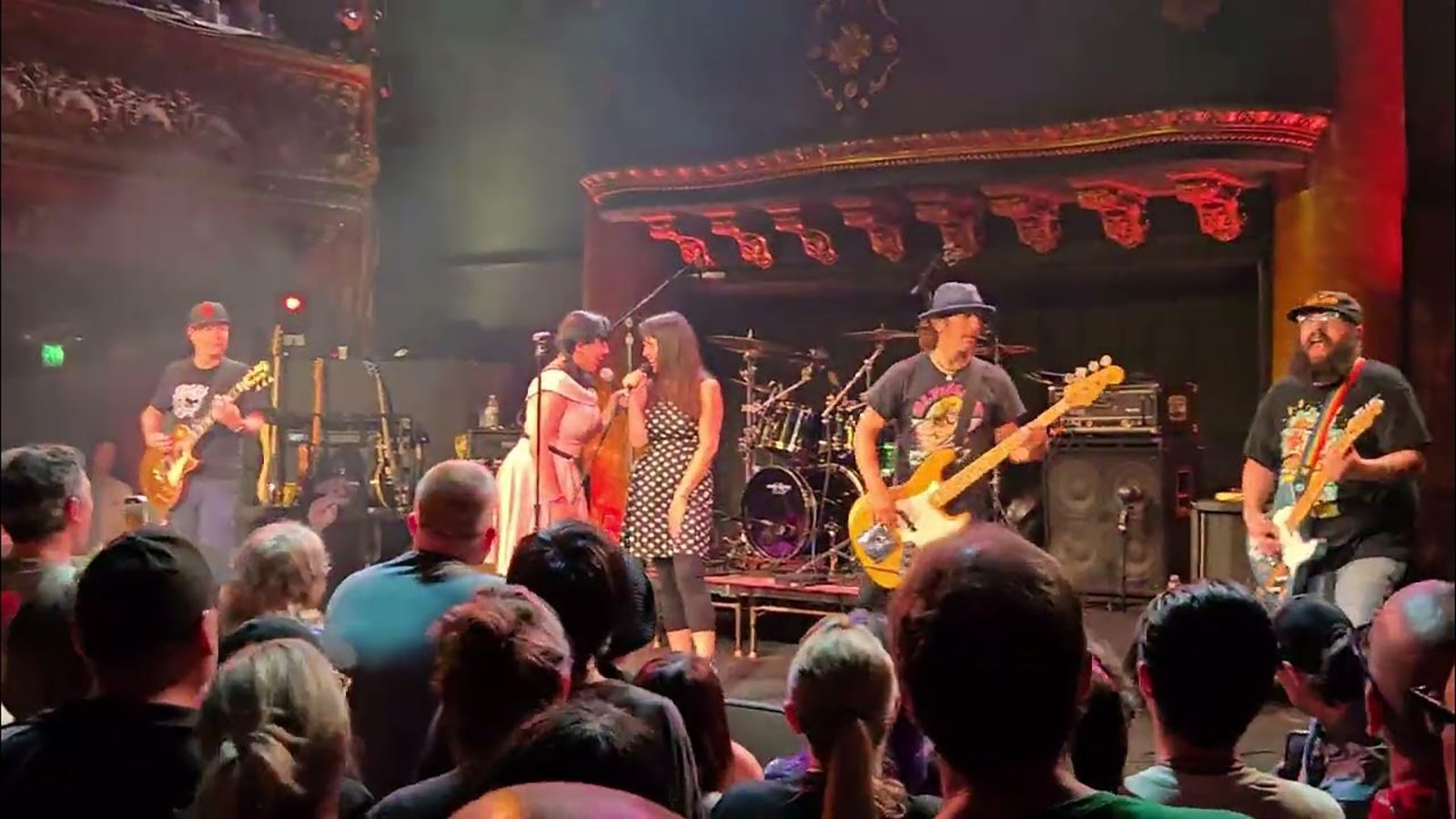
Dance Hall Crashers need no introduction, but we’ll give you one anyway.
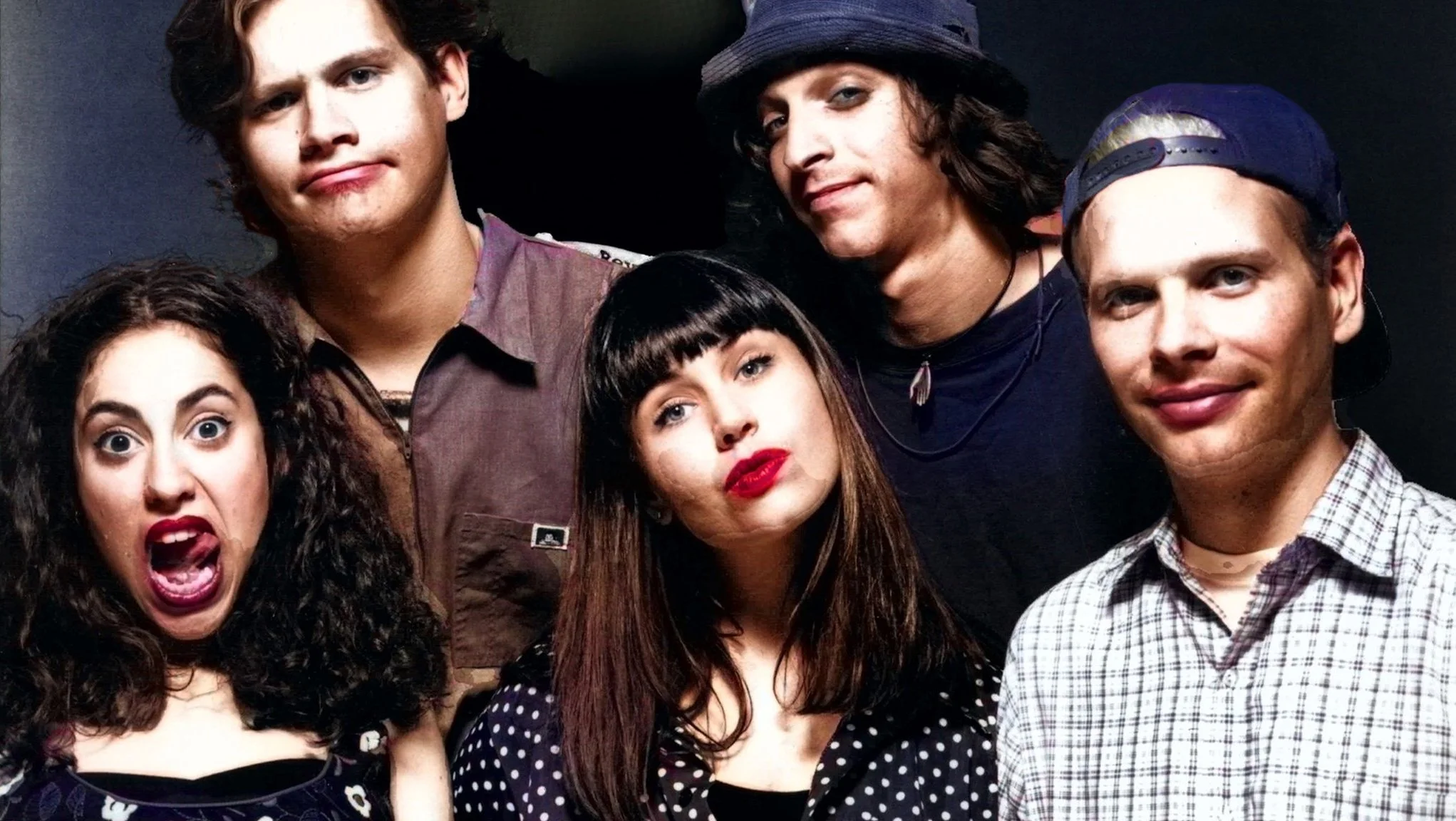
Born out of the vibrant Berkeley, California ska-punk scene in the late 1980s, Dance Hall Crashers distinguished themselves through their unique vocal arrangements and infectious energy. While many of their contemporaries relied on aggressive vocals or heavy brass sections, DHC centered their sound on the seamless, pop-sensible harmonies of co-lead singers Elyse Rogers and Karina Deniké. Rounding out the lineup - Jason Hammon on guitar, Mikey Weiss on bass and Gavin Hammon on drums - the band refined a style that blended upbeat two tone rhythms with the melodic sensibilities of 1960s girl groups and the driving power of 90s punk.
The band reached their commercial peak in the mid-to-late 1990s following the release of their definitive album, Lockjaw (1995). Later tracks like Lost Again showcased their ability to craft radio-friendly hooks that resonated during the height of the third-wave ska revival. Despite a few hiatuses and lineup shifts over the decades, Dance Hall Crashers earned a reputation as a powerhouse live act, beloved for their charismatic stage presence and tight musicianship. Despite not having released a studio album since 2001's Purge, they remain an influential cornerstone of the West Coast ska scene, celebrated for bringing a sophisticated, melodic edge to a high-octane genre.
Welcome! A lot has changed in the music industry since the Purr era. What was the most surprising thing about touring in 2025 compared to the late ’90s?
Jason Hammon, guitar: The internet and social media. It was crazy to have full videos of our shows on the internet immediately after we played, sometimes with great quality. It’s definitely a positive for people that can’t make it out to the show. It’s also so much easier to connect with fans.
You played your first show in two decades last summer. When you first stepped into rehearsals for that show, which song felt like it had never left your fingers (or voices), and which one required the most dusting off?
For the most part most songs came back immediately and we sounded pretty good even in the first practice. That being said, I was super nervous and was messing up left and right, definitely the weak link. We added some songs we had never (or rarely) played live (Over Again, So Sue Us, Setting Sun for instance) and we changed the keys on a few songs so those were the most challenging.
At recent shows like Riot Fest and Warped Tour, you likely saw fans who have been there since Gilman Street alongside teenagers recently discovering you. How does it feel to see your music become a bridge between generations?
The whole experience has been amazing, it was also the first time our kids had seen up play which was really special. We have the best fans in the world and their support means everything to us.
Your vocal dynamic has been described as a "cipher" where you pass the lead back and forth. How did you first develop that rhythmic, collaborative style? Was it trial and error, or did it click instantly?
I’ll do my best to answer this one for E&K, their voices sounded really great together for the beginning and we’ve always written songs together with one of them taking lead and the other working out harmony parts. The way they sound together is kinda just magic really.
In recent interviews, you’ve discussed how DHC avoided the pin-up tropes of the 90s ska scene. Looking back, how intentional was that decision to focus on personal sovereignty over industry expectations?
We’ve always done our own thing. I grew up listening to punk and hardcore. Some of the first ska I heard was Op Ivy. I think our first album turned out much more ska than I thought it would. I was hoping it would sound more like the Downfall album which I played a few months before we recorded the old record (with the same engineer and studio) but we had a lot going on with nine of us. When we recorded Lockjaw and Honey I’m Homely I think we had a much better idea of what we wanted to sound like and we stuck to it even though the trend at the time was to be more ska.
Lockjaw was a turning point where you moved away from a horn section toward a harder, guitar-driven pop-punk sound. How influential was that record in serving as the blueprint for the California sound that dominated the late 90s, if at all?
We wrote Lockjaw over several years and released demo versions of several of the songs. We even got radio play at Radio Free Hawaii for a bunch so by the time it came out I think our sound was pretty solidified. I’m not sure how much influence we had on other ska bands. When Lockjaw came out a lot of people were surprised by the sound even though to us it was a very natural evolution that took place over 3 or 4 years.
"Enough" became a massive anthem thanks to the Angus soundtrack. When you were recording it with Rob Cavallo, did you have any inkling that it would become the definitive Dance Hall Crashers song for so many people?
It was great working with Rob, he had so many ideas/suggestions. He was also great with guitar tones. I had used a much scrappier tone on the Old Record and the Downfall stuff. While I like the mix on Honey and Purr better I love all the Lockjaw songs. A different mix of Enough was initially released on a Board in Orange County comp. The response to Enough was certainly a surprise for us and it was fun to hear it on the radio.
Many of your songs, like Sticky and Lost Again deal with relationship dynamics with a very sharp, sardonic wit. Do those lyrics feel different to sing now that the band members are in a different stage of life?
Not sure how E&K feel. For me I am really happy Elyse changed my lyrics for Lost Again. We recently unearthed a demo version of it and it’s a much more interesting song as released. My version was literally about getting lost on tour every day (true story!)
The band started as a side project for Tim Armstrong and Matt Freeman of Rancid. Do you feel like that pedigree helped the band in the beginning, or did it create a set of expectations you had to fight to break out of?
It’s a mixed bag for sure. We all love Op Ivy and I was lucky enough to play with Tim, Matt and Dave in Downfall while I was in DHC. I learned so much from Tim during that time. That being said, we don’t really sound too much like Op Ivy, especially the Old Record, so it’s always been a bit weird. I think we have a sound of our own but that history and the Gilman scene is also a big part of who we are (especially me).
Elyse once mentioned that the band originally broke up partly because half the members were too young to even leave the backstage area at venues. What is your favorite absurd memory from those early days of being a minor on the road?
Yeah, that was unfortunate but some of us were young punks and the club was being really lame to our underage folks. That was certainly absurd but I wouldn’t say favorite memory. Touring is fun, you meet people, you go places. It is an endless source of memories and stories!
You’ve mentioned that some of your best work was never quite captured perfectly on the old albums. With the momentum from the 2025 shows, is there any talk of getting back into the studio for a fifth LP?
We honestly haven’t talked about recording anything new. Not once. We do have unreleased demos and songs that could see the light of day in album re-releases.
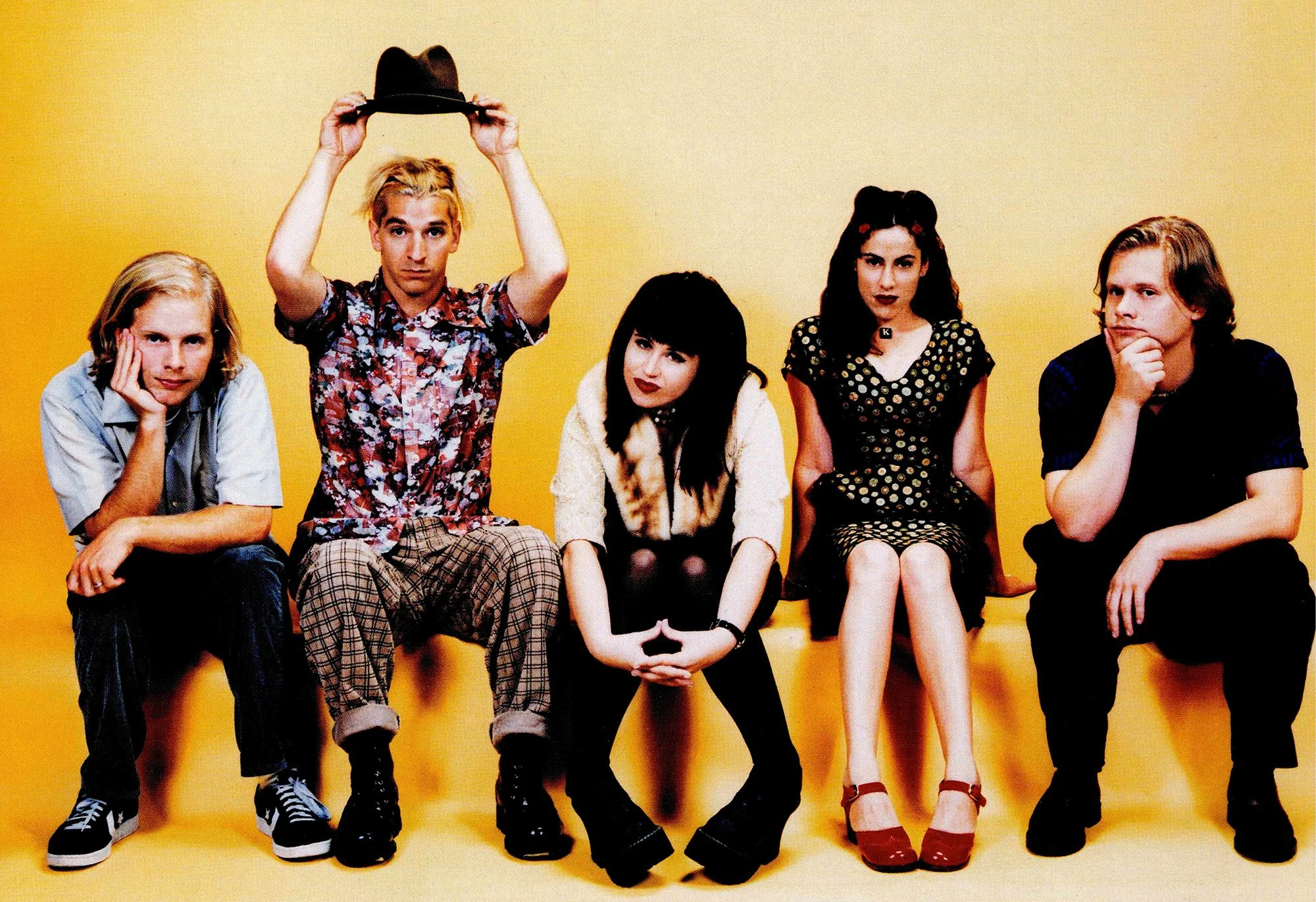
Photo credit: Debra McClinton
Fans are still clamoring for a vinyl reissue of Honey, I'm Homely!. If you could curate a deluxe edition of any DHC era today, what unreleased gems or live recordings would you most want to include for the fans?
Stay tuned!
Links
Official Website: https://www.dancehallcrashers.com/
Wikipedia: https://en.wikipedia.org/wiki/Dance_Hall_Crashers
Facebook: https://www.facebook.com/dancehallcrashersofficial
Instagram: https://www.instagram.com/dancehallcrashersofficial