

Sartre, Vanzetti and I-93: An Interview with Boston’s The Stress Balls
By Staff | May 17, 2026
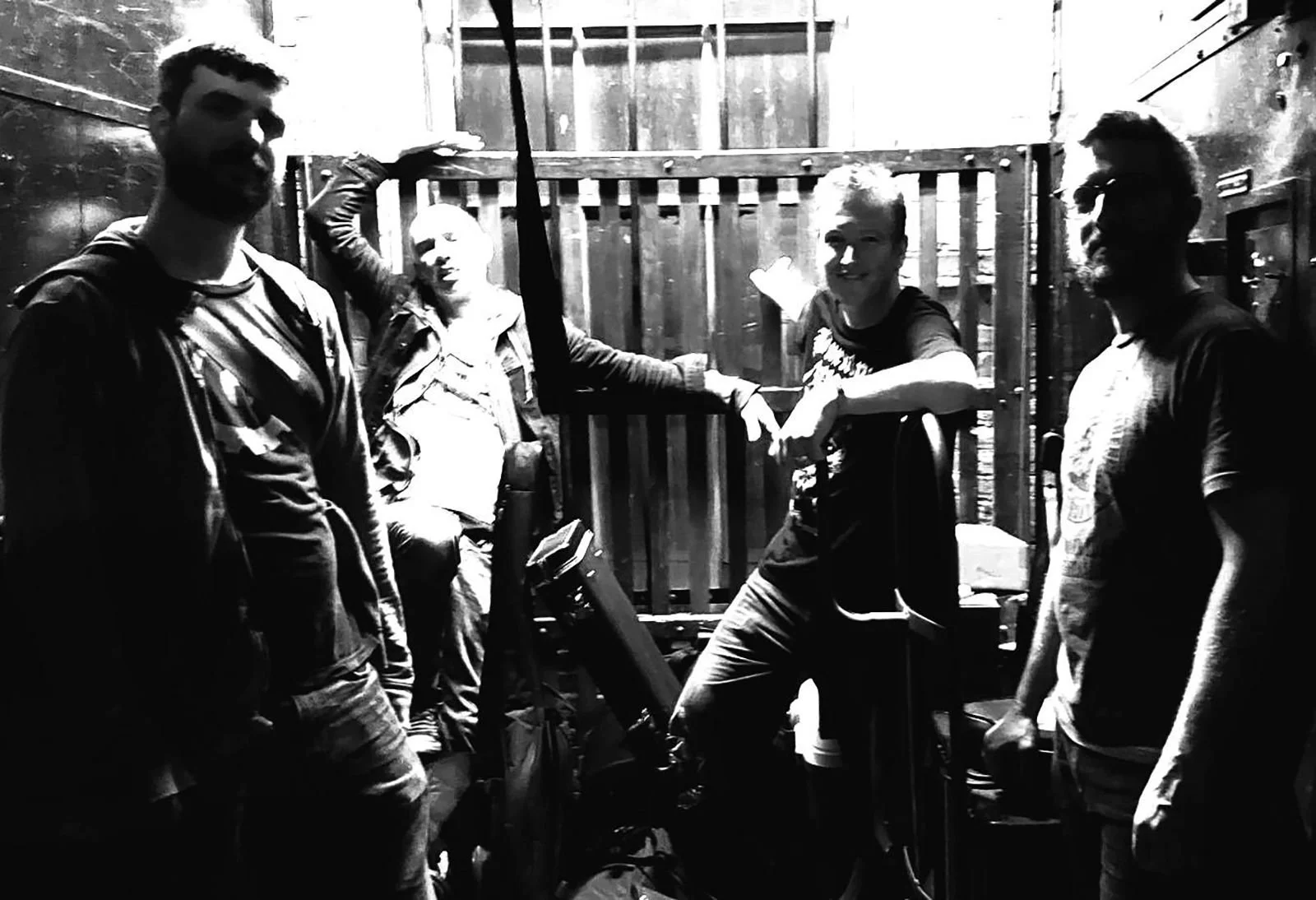
Photo credit: Matt Carroll
Boston's The Stress Balls has maintained a breakneck DIY output over the course of their two years, releasing over 40 tracks from a self-built basement studio. Their music blends chaotic fun with sharp political analysis, delivering everything from fierce 50-second anarchist anthems to tracks inspired by the grueling nightmare of Boston traffic. On stage, the band fuels a fast, furious party aesthetic by supplying the audience with actual stress balls to hurl at them, a chaotic ritual that frequently leaves members dodging flying foam - luckily, as you'll read, punks can't throw for shit. Rooted in working-class solidarity and community organizing, the group channels a lifetime of activism into what critics call street poetry for a world on fire.
You’ve released over 40 original songs and 20 music videos since forming less than two years ago — how do you balance that breakneck output with working blue-collar jobs and building a studio from the studs out?
Jake: Short, simple songs
Chris: Sugar Mamas
John: Consistent, weekly practice time
Jake: We built the studio in my basement during the pandemic. Once we had a place to play, we started the band. Since then, we keep up our pace by neglecting other aspects of our lives. For example, that studio is now falling in on itself. Plus, it’s really fun to make music and stupid videos with your friends. And there’s a lot pissing us off right now. That keeps us driven.
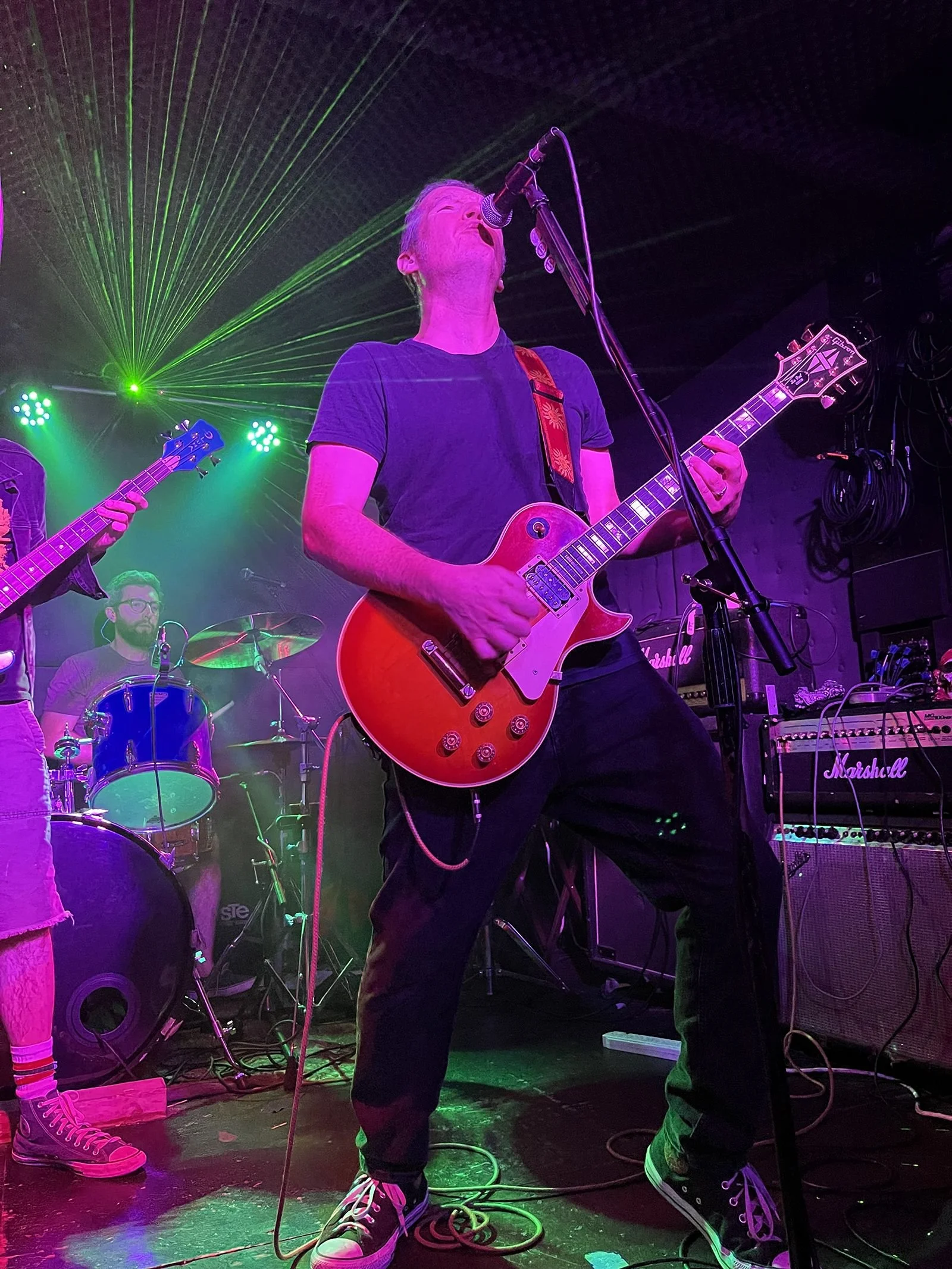
Photo credit: Sydney Lyon
When you bring a box of stress balls for the audience to throw at you - do you ever worry someone’s going to accidentally nail someone on stage in the eye, or is that just part of the fast, furious party aesthetic?
Jake: They’re usually aiming for our faces. Luckily, punks can’t throw for shit.
Chris: I usually, at least once a show, get hit in the eye.
Joe: We’re mostly used to it now. But sometimes, balls knock my glasses off or roll under my bass drum pedal. That does make it harder to play.
John: The balls are pretty soft. I’m glad we didn’t go with the Stress Bricks.
Your lyrics are described as witty, nuanced, memorable, and relevant while also admitting some are purposefully stupid. How do you decide which songs get the street poetry treatment and which ones are just for chaotic fun?
Chris: Most of the dumber songs come from me, as I’m a fan of simple music.
Jake: Our writing process almost always begins with the idea or concept. Chris and I are constantly coming up with ideas for songs. I’ll add some chords to it, and then we work it out at practice. Some of the ideas are jokes or shit that just makes us laugh. Some of them are whatever pissed us off that day, or political slogans we hope people think about. So when, for example, we write about being total slobs, we don’t have to think quite as hard as when we’re trying to fit some geopolitical analysis into 50 seconds.
You've written songs about traffic right alongside anarchist politics and the ruling class — what specific Boston traffic nightmare or intersection deserves its own angry punk anthem?
Chris: It’s just city life, bro. It’s packed. It’s nice to get out from time to time …
Joe: I drive an hour each way, to and from practice. Boston traffic is a rolling version of No Exit. Hell is other people — on I-93 at rush hour. Sartre never spent time driving in Boston, or he would have set the play here.
John: I bike. It’s all nightmare fuel.
Having been active in the anarchist movement for decades, did you ever hit a point where writing a fast punk song about traffic felt more cathartic than another serious political treatise?
Jake: They’re all cathartic in their own special way.
Chris: I went to elementary school under Reagan, so I don’t know what that means.
Jake: We have a new song called “Go Faster.”
Joe: Four road rage songs so far, and more on the way!
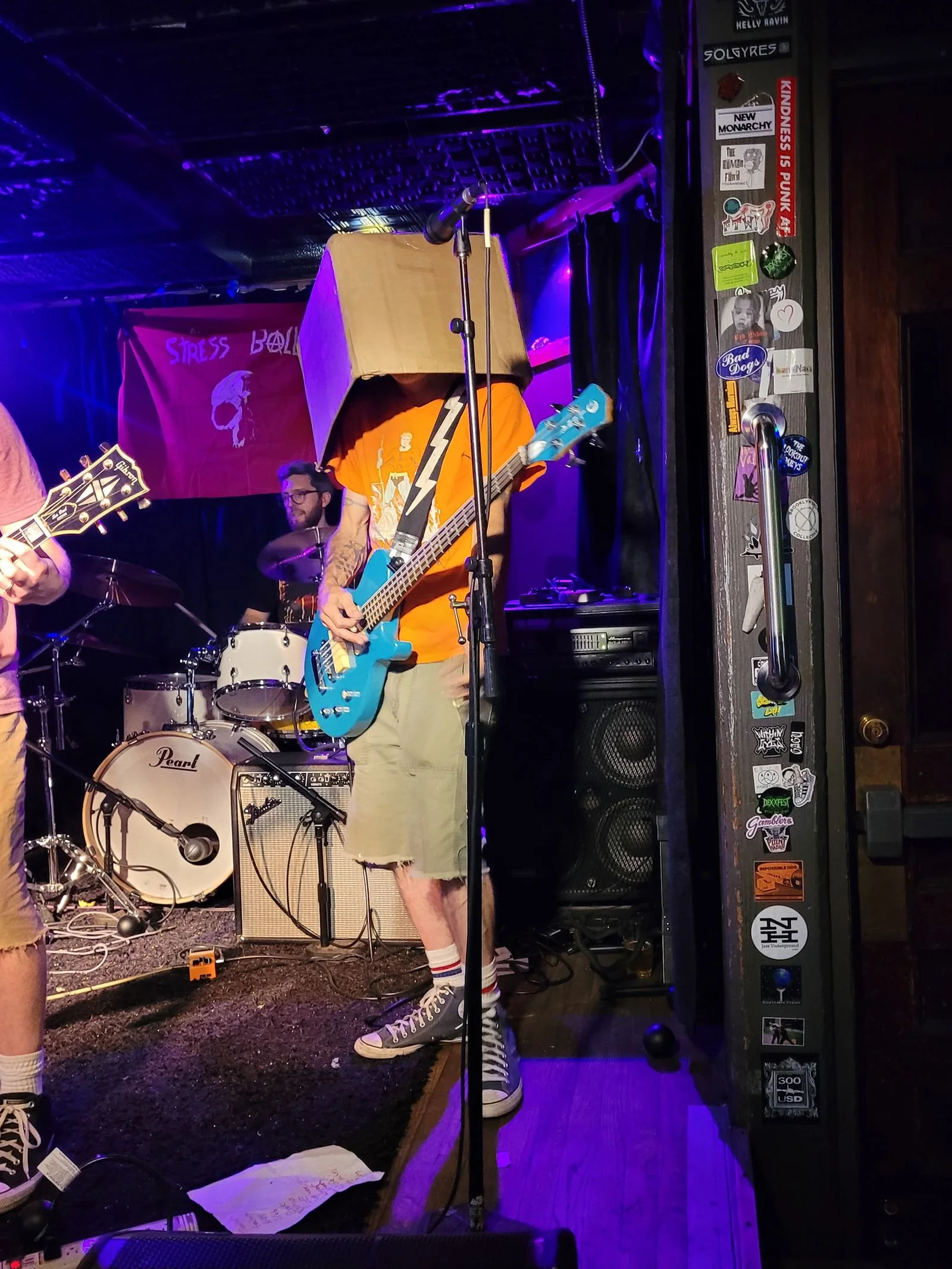
Photo credit: Sydney Lyon
What’s the most unexpectedly useful skill you’ve learned from building your own studio, printing your own merch, and booking your own tours that has nothing to do with music?
Jake: I started playing in bands at the end of middle school/early in high school. The skills I developed by organizing the bands, putting together shows, and building with the community were really useful later in high school when the second Iraq War started. I joined the Boston Anarchists Against Militarism (BAAM) and helped organize a group at my school. All sorts of DIY skills are useful in revolutionary movement building: writing, talking with your peers, organizing groups, putting on events, painting banners, standing up in front of crowds to speak your mind …
Punk Rock Mag called your lyrics “street poetry for a world on fire“. Who’s one local Boston poet or non-punk artist that’s influenced the way you write about rage and class?
John: David Foster Wallace
Joe: I write books and Howard Zinn is one of the authors who influenced my politics the most.
Jake: Bartolomeo Vanzetti. He was a self-educated worker who could describe the grim existence he and many others suffered through with realism, but could also imagine a beautiful future of freedom. He lived his most important years at the onset of the Red Scare — with the electric chair staring him down — and he did it with optimism and love for humanity. He’s a working class hero.
Chris: Not sure any non-punk [artist] has influenced me, certainly not J Geils or Aerosmith. Maybe John Funky, a local DJ who hosts Backwoods out of WMBR. Boston poets? All I can think of is Willie Loco Alexander, but he has been a musician as well.
Photo credit: Sydney Lyon
You’ve done multiple Northeast tours, released two full lengths and an EP, and built a community of friend bands all in under two years - what’s the one DIY project you’ve attempted that failed so spectacularly you almost gave up on it, if any?
Joe: Everything I do succeeds perfectly the first time.
Chris: Back in the day all, of ‘em, but your new crappy band demands patches or somethin’, so you try and try again.
Anyone you'd like to thank for their support?
Joe: We have certain friends who come out to our shows time after time. That matters a lot. The folks from Neponset Monastery have been so supportive, and it was a real pleasure to do a joint tour with them in 2025.
John: All the bands we’ve shared a stage with, all the people who put us up for a night, all the fans who’ve posted a flyer or dragged their friends to a show — without the whole community we’d just be jamming in Jake’s basement.
Jake: Our families and our comrades. There’ve been a few promoters who’ve taken chances on us. There’s also been a bunch of podcasts and radio shows that have been very supportive of us. Nick Wang on Late Risers Club plays our songs all the time, and Blank TV has also been particularly supportive. Knifetwister for interviewing us. Thanks everyone!
Chris: Me
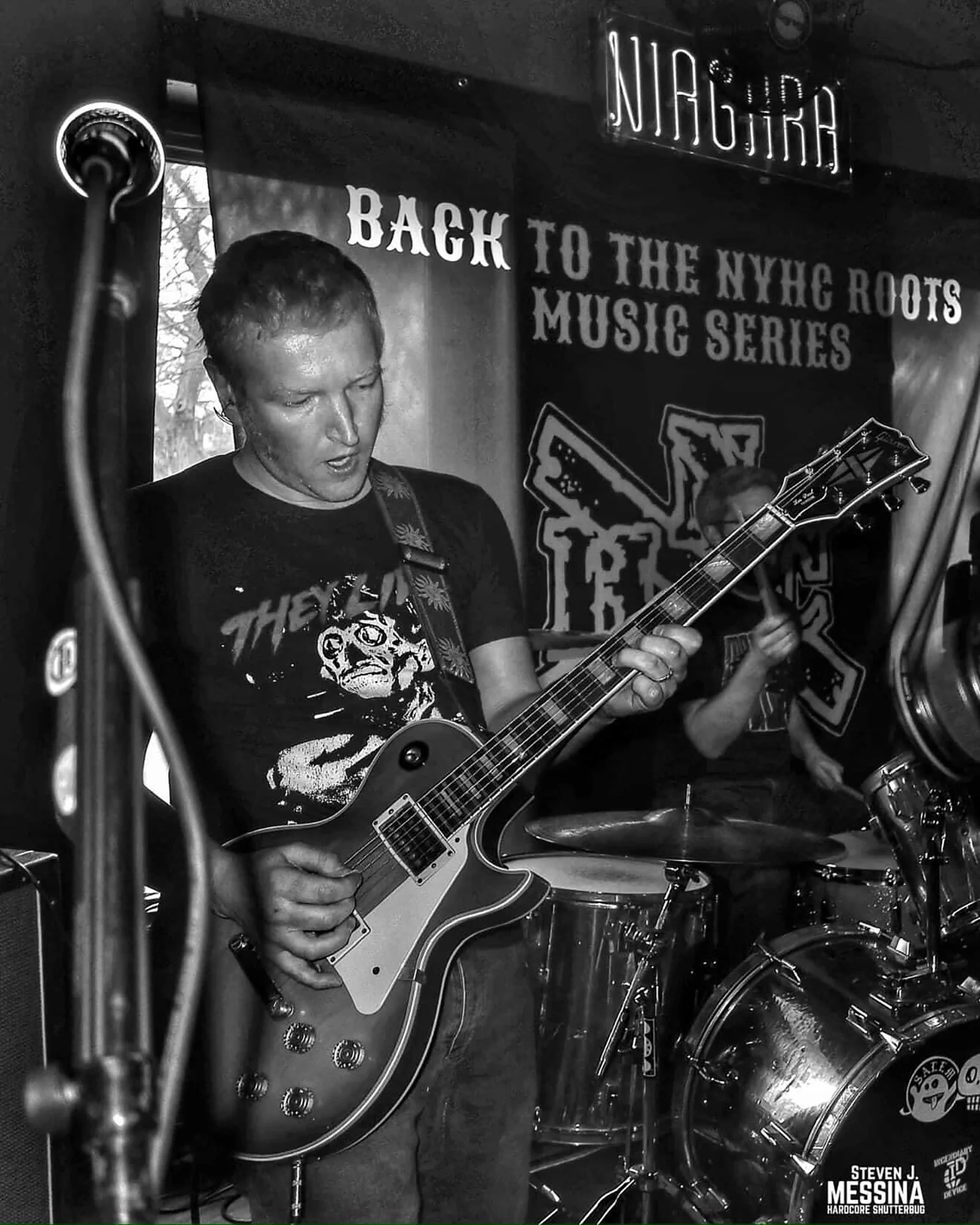
Photo credit: Steven J. Messina
Instagram: https://instagram.com/TheStressBalls
Youtube: https://www.youtube.com/@TheStressBalls-hc5cs
Subvert: subvert.fm/the-stress-balls
Bandcamp: https://thestressballs.bandcamp.com/
Soundcloud: https://soundcloud.com/the-stress-balls