

Distant Signals: An Interview With Atlanta’s Hyperspace
By Staff | December 2, 2026
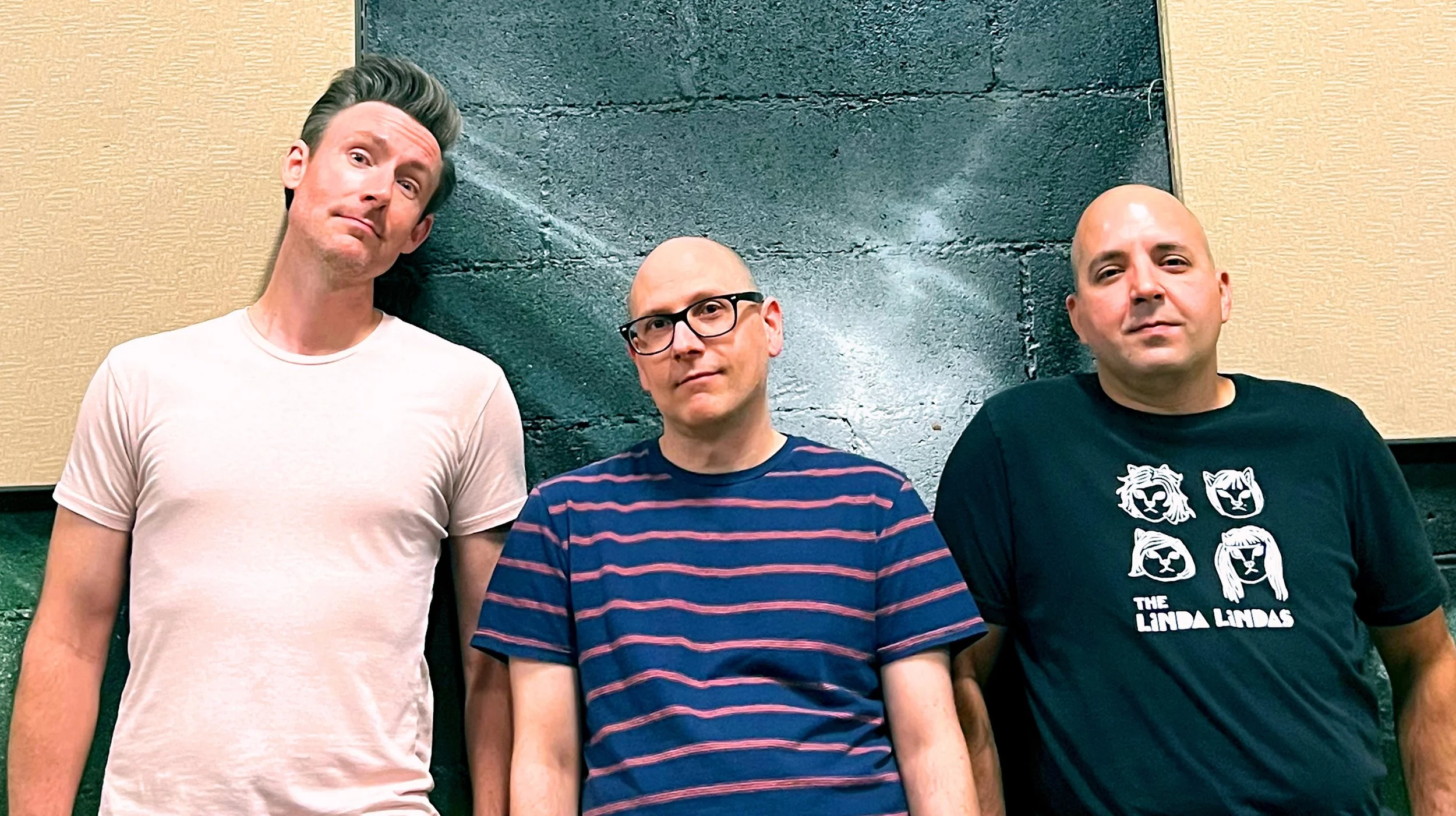
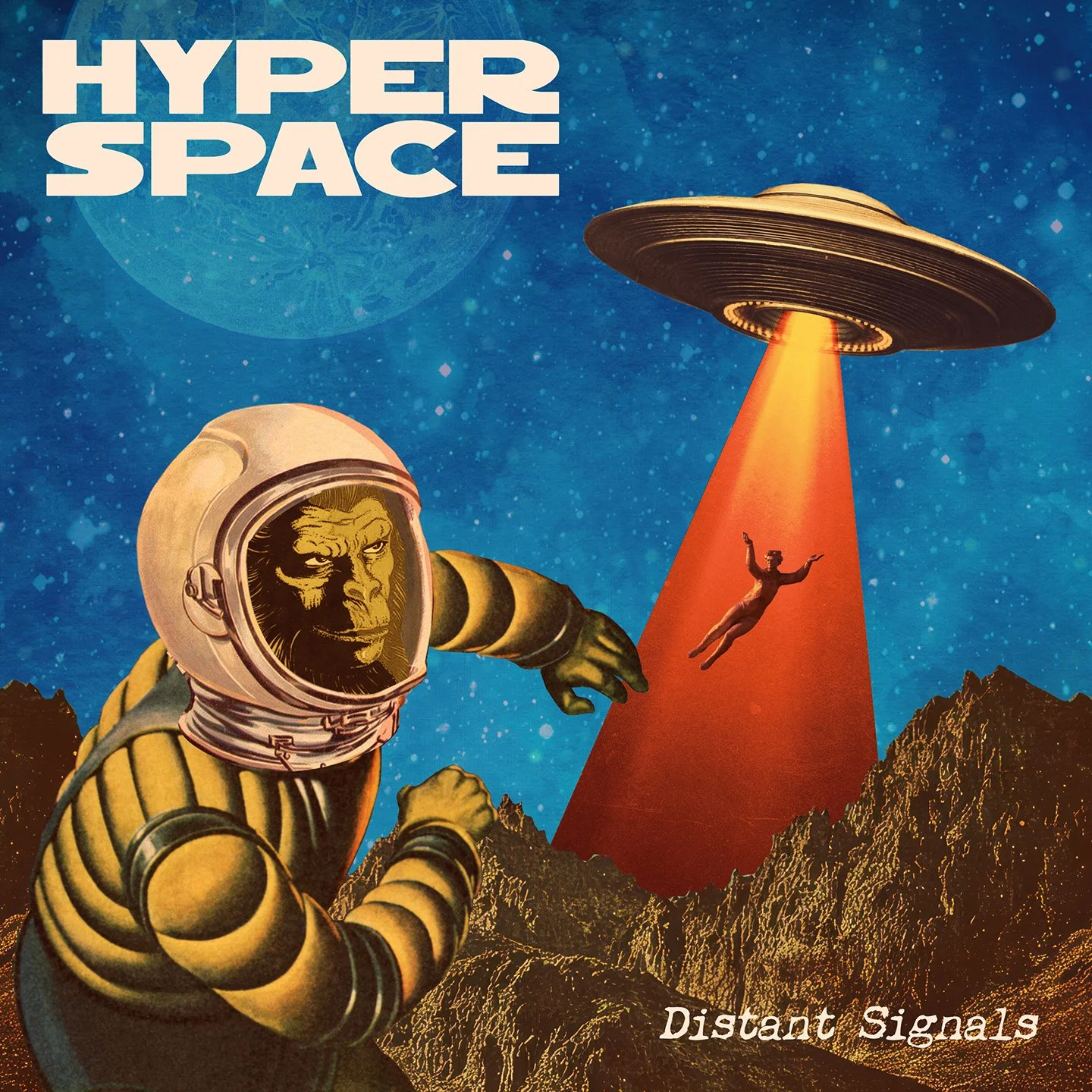
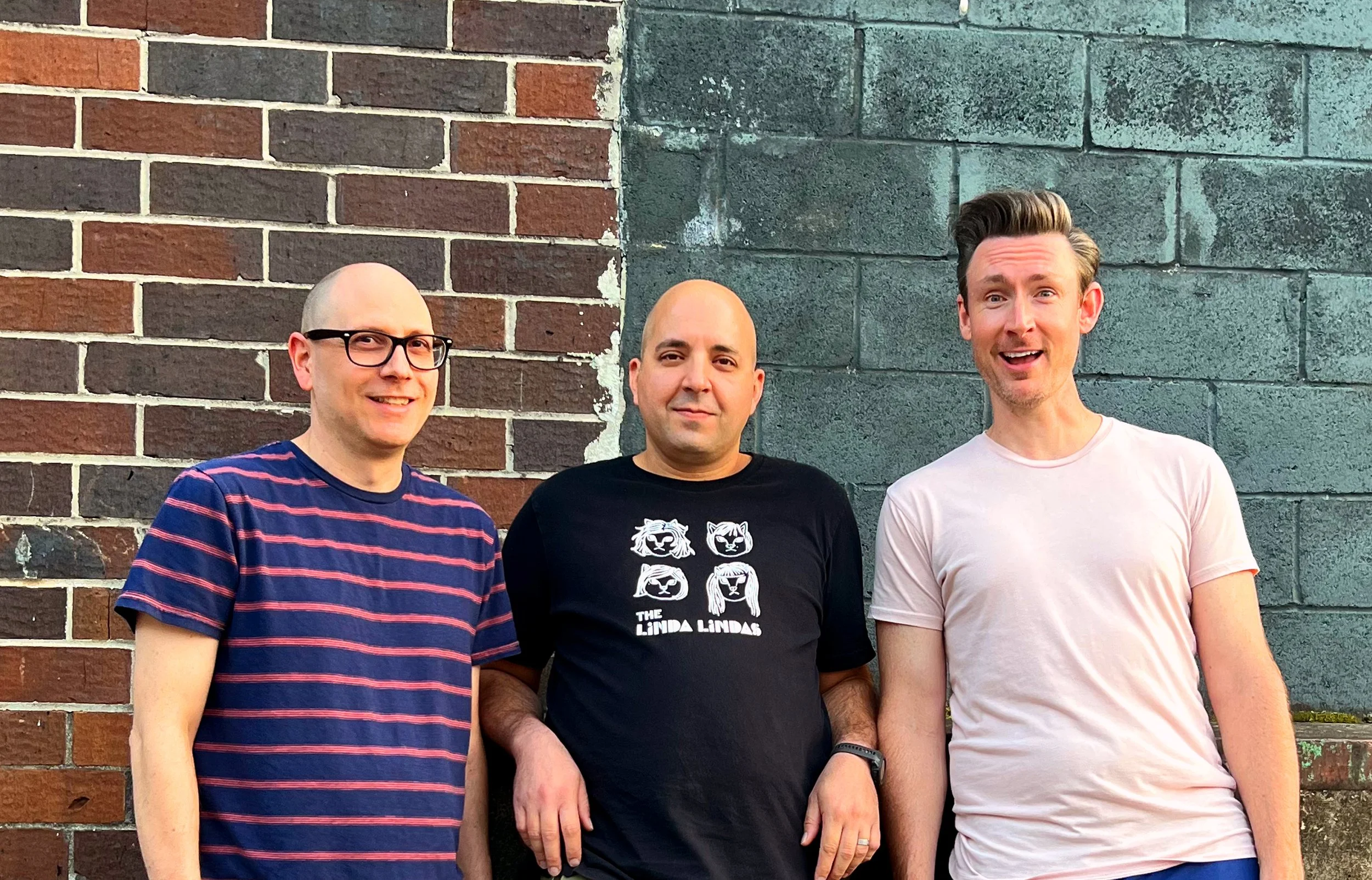
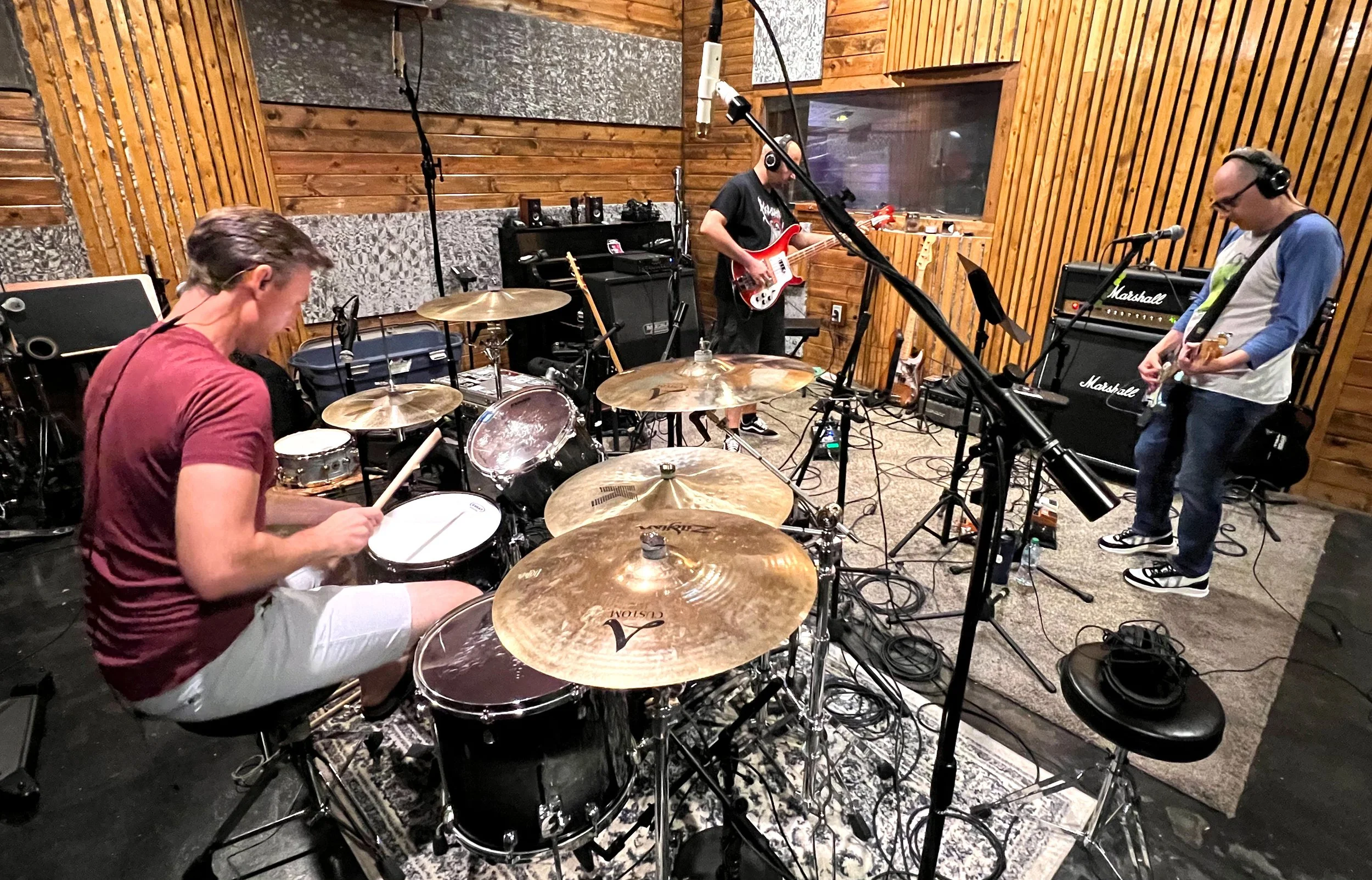
What do the Goonies, Chewbacca, and Star Trek’s The Borg all have in common? They’re all nerdy pop punk songs released by the Atlanta-based band, Hyperspace! Hyperspace is comprised of vocalist/guitarist Jason Kochis, drummer Ryan Paul, and bassist Kayvan Sarikhani who have been rocking out the southeast corner of the U.S. for a little over a decade. The geeky rock trio has performed at large and small venues alike, specifically ATL’s Star Bar, Criminal Records, multigenre convention DragonCon, and even embarked on a tour through Alabama, Tennessee, North Carolina, and Florida. In addition to live performances, Hyperspace has released 5 studio albums. Their most recently, "Distant Signals" is about aliens, Star Wars, time traveling robots, disillusionment, and failing relationships.
You've been rocking out for over a decade. What's the biggest lesson you've learned about being in an independent band in Atlanta over that time?
Jason Kochis, guitar/vocals: Be decent and kind to each other.
Ryan Paul, drums: Not to sound like a cliche, but playing music as an independent artist is really a true labor of love. To sum it up better, here's word for word what I wrote to John Feldmann (lead singer/guitarist for Goldfinger): To be completely transparent, we're just three guys with what can best be described as a seriously addictive hobby. We aren't signed to a record label - yet. There are no groupies. There isn't a six-figure budget. My mother-in-law wrote our only review (5 stars of course) on Amazon Music and I'm pretty sure a cocaine addiction would be much cheaper than what it costs us annually just to make music (editor’s note: up here, possibly - don’t know how you roll down there).
Kayvan Sarikhani (bass): Join a cover band if you want lots of gigs! In all seriousness though, I remember in the late 90s and even early 2000s that the Atlanta music scene was very vibrant and you had a wide variety of bands that supported each other. Metal, punk, goth, etc...a lot of people went to the same shows and supported each other. Maybe there's more support for newer style artists these days, but it just doesn't feel the same as before. The ATL is very cover band friendly. Covers can be fun - and no disrespect to cover bands, but being in an independent band that plays original music in Atlanta can certainly be challenging.
The name Hyperspace - how does that concept relate to the music you create, and what made you choose it?
Jason: When we first formed the band, I knew I wanted to have a name that related to Star Wars somehow. We made a huge long list of names and Hyperspace won the battle. I thought it was vague enough so that if we switched genres it could still apply. It also describes how fast we sometimes play our songs live.
Ryan: As a drummer who loves all things nerdy and got hooked on that 180-190 BPM speed from Fat Wreck Chords bands, we'd always joke that we were "going plaid" when a song got too fast. Out of all the band names we were thinking about, Hyperspace just clicked.
Kayvan: What Jason said.
As a trio, how does the songwriting dynamic work between Jason (vocals/guitar), Ryan (drums), and Kayvan (bass)? Does one person typically bring a skeleton of a song, or is it a fully collaborative process?
Jason: On our latest album "Distant Signals", it was a true collaboration. In the past, I usually wrote all the music and lyrics and brought them to the band, but for this album we would just jam on a riff or idea someone might have. That was sometimes a guitar riff idea Kayvan had or a drum beat Ryan would be playing when warming up before practice started.
Ryan: As Jason mentioned, Distant Signals was a true collaboration. Once he ran out of songs, during practice the three of us would either start jamming to see what felt right, or one of us would share a cool, standout riff (or in my case, a drum beat) that got our ideas flowing. Around that time, I was listening to bands like Off With Their Heads, Royal Blood, Phoenix, Sugarcult, Smashing Pumpkins, The Killers, and The Offspring.
Kayvan: Right. "Distant Signals" was most definitely collaborative. I brought in a couple of songs for this record, and Jason had a couple. I think most of them were either built from riffs we started messing with or from interesting drum beats that Ryan kept playing So we would try different riffs with the beats to see what worked and went from there. Some songs started off much slower and were sped up or made bouncier or the bridge changed, but each of us would suggest things or try this or that.
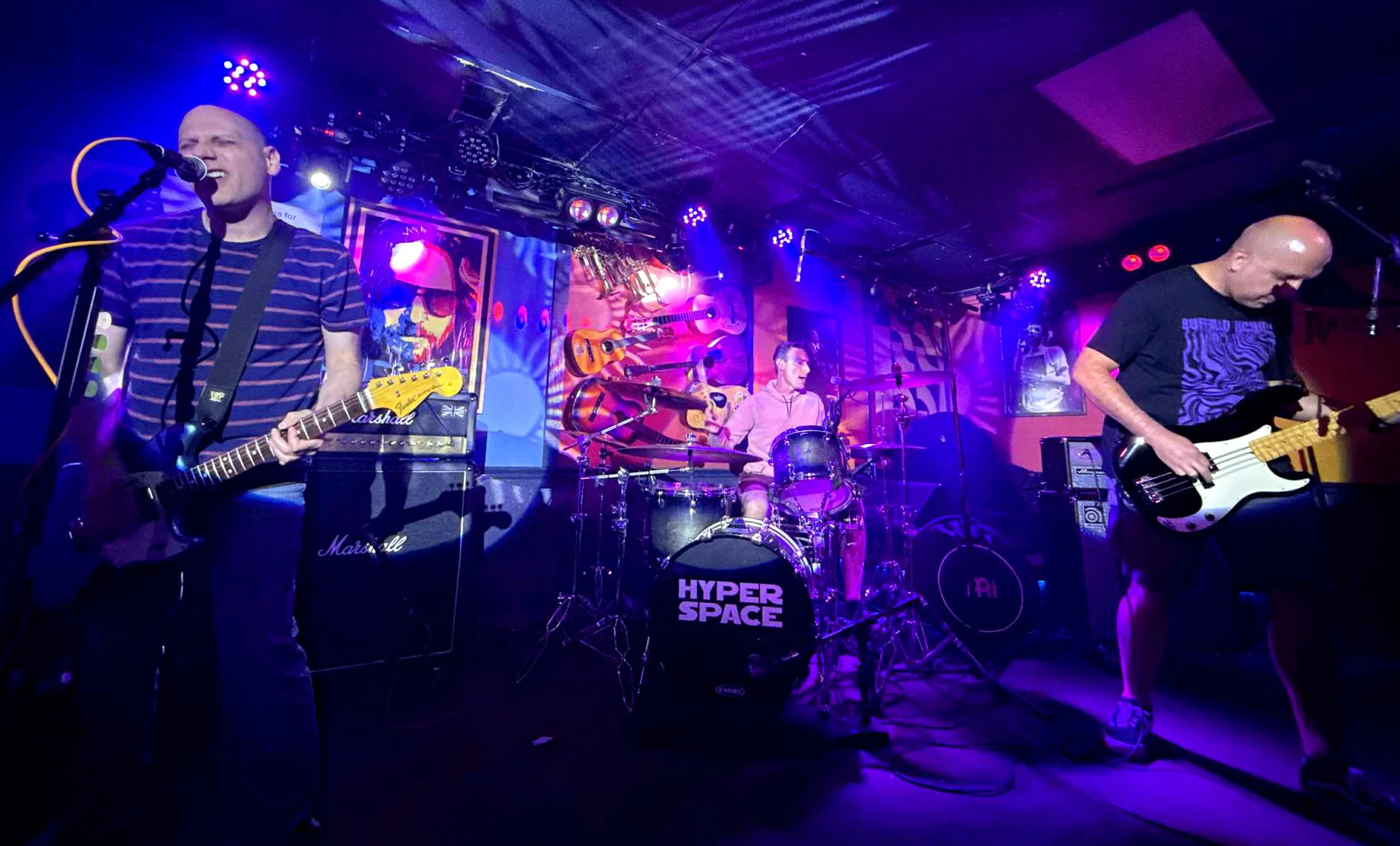
You're often described as "geeky" or "nerdy" pop punk. Which bands were your foundational influences when you first started, and which current bands inspire you now?
Jason: I think we're all nerds of some fandom in the band. For me, I'm a huge Star Wars fan and comic book nerd. I wanted to create a band in the style of my influences: Nerf Herder, Green Day, and Weezer. When I first heard these bands I thought: Wow, you can sing about love and be a nerd in a punk band? More recently bands like Husker Du, The Smiths, and The Cure have been inspirational to me.
Ryan: I didn't really get into music until my mom passed down her silver Sony WM-4 Walkman cassette player to me. Eventually, I bought Guns N' Roses' "Appetite for Destruction," but it was Green Day's "Dookie" that truly hooked me on faster, less mainstream stuff. 1994 was the year the floodgates opened wide. That led me to Blink-182's "Buddha," followed soon by "Cheshire Cat," Unwritten Law's "Blue Room," and Bad Religion's "Stranger Than Fiction." In the years that followed, I dove into bands like Local H, Millencolin, Anti-Flag, Less Than Jake, and Goldfinger. So many awesome groups released killer, no-skip albums between '94 and '97. These days, I listen to just about everything—if I pulled a few random tracks from my playlist right now, you'd see stuff like Washed Out, Tycho, and Linkin Park.
Kayvan: Well...my first influences are decidedly NOT geeky or nerdy pop punk based! My earliest influences were pretty much metal, metal, and metal. I did appreciate older UK and American punk too, but my focus was metal. Somewhere along the way I started becoming very interested in Rancid and a lot of the newer wave of punk bands and especially NYHC. For this particular record, I focused on guys like Bruce Foxton (The Jam), Peter Hook (Joy Division), and Simon Gallup (The Cure). The guitar stuff I did on a couple of songs was very much influenced by Fletcher from Pennywise.
You’ve written songs about The Goonies, Chewbacca, and The Borg. What is it about classic sci-fi and nerdy pop culture that makes it such a rich source of inspiration for your punk songs?
Jason: They say sing about things you know about, and to me that's sci-fi and nerdy pop culture. Definitely spent enough time reading and researching sci-fi and cutting my teeth on 8 bit video games. It may have been Kurt Cobain or Dave Grohl that said they couldn't identify with 80s metal bands singing about having sex with groupies. And neither can I.
Ryan: Those were some of the most innocent times in my life, back when classic sci-fi and nerdy pop culture felt like pure magic without all the cynicism of adulthood creeping in. You'd dive into stuff like The Goonies, Chewbacca's adventures in Star Wars, or The Borg from Star Trek, and it sparked this endless wonder that just begged to be turned into fast, rebellious punk songs. At the same time, there was way more unique music getting released—your choices felt literally endless, from underground punk tapes to whatever weird album caught your eye at the record store, no algorithms dictating what you "should" listen to. And those old movies? Films like They Live, The Explorers, or Flight of the Navigator still hold up super well in today's modern times—they didn't just entertain you, but got you thinking deeper about humanity's role in the future, like questioning authority, exploring the unknown, or what it means to be human in a tech-driven world. That's the kind of rich, thought-provoking fuel that keeps inspiring my lyrics and riffs even now.
Kayvan: I really feel that in a lot of ways it transports the listener back to simpler and more fun times. Growing up with stories or films that had elements of hopes and dreams...amazing journeys, space exploration, time-travel, etc. It felt like anything was possible. Our world today is full of people telling others what to think and feel and believe. There's enough bands in the world that preach to their listeners, and I just really appreciate playing material that anyone could find enjoyment in.
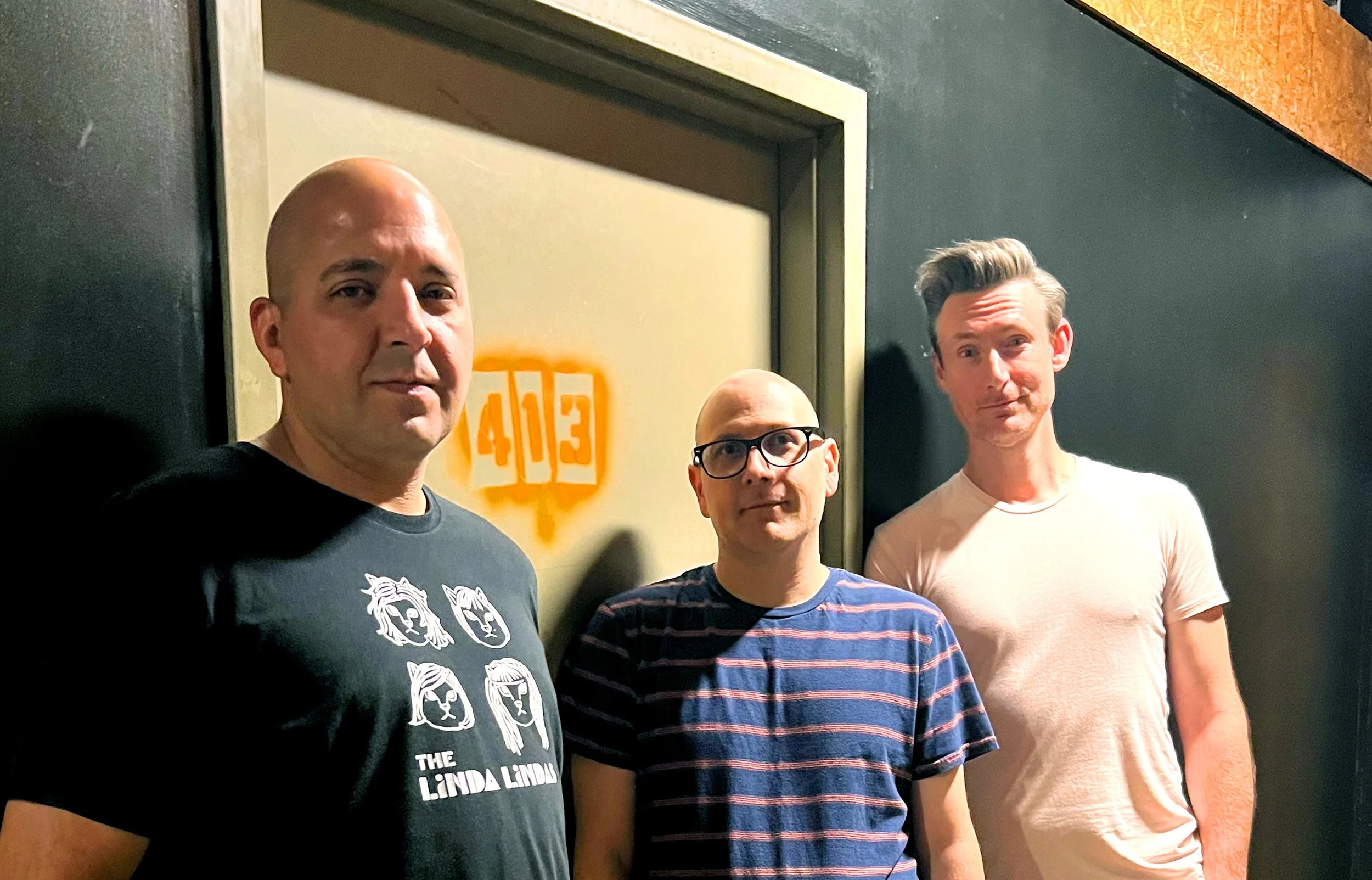
Your latest album, Distant Signals, blends geeky themes like aliens and time-traveling robots with very real ones like disillusionment and failing relationships. How do you strike that balance between the fun, nerdy elements and the deep, introspective punk themes?
Jason: It's a blend of different emotions and experiences which accurately describes what we are all like as people on the inside. I just wrote what I was feeling and what seemed to fit the song. Sometimes the guys would suggest themes for songs or bands we might try to emulate. Kayvan wanted to write a song about Star Wars and that turned into "Rebel Girl". He already had the song title, so I just went with that. Ryan wanted to have a song inspired by Smashing Pumpkins so I would keep that in mind when singing and writing lyrics. That idea turned into "Those Words".
Ryan: As the drummer, striking that balance comes down to really digging into the lyrics and underlying themes that Jason and Kayvan bring to the table—whether it's the playful geekiness of aliens invading or time-traveling robots causing chaos, or the heavier stuff like feeling disillusioned in a failing relationship. Once I get a solid grasp on that vibe, I can pull from songs in my mental Rolodex from the past that match the tone, tailoring my beats and fills to amp up the fun, energetic nerdy side without overshadowing the raw, introspective punk edge that makes it all feel real and relatable.
Kayvan: Sometimes songs can be metaphorical, personal moments cloaked within the backdrop of something. Others can be reality based; for example, "Valentina" is about Valentina Tereshkova, who was the first woman in space. And then something like "Rebel Girl" was absolute nonsense in the beginning; I had some minimal lyrics and an idea that it would be funny to have Han sing about his rebel girl Leia and mouthing off to Jabba and Boba Fett. Jason wrote new lyrics for it though and it came out much better, while retaining the fun. Painting oneself into a corner isn't a good thing; I think there's many ways to use the backdrop of some story or idea and transplant one's own thoughts or feelings into it.
Let's talk about "1989." Buzz Music called it a "fitting closer" that nods to your earliest influences. What specifically about the year 1989 is the song reflecting on, both musically and thematically?
Jason: It's not at all related to Taylor Swift. But seriously, so much happened in the year 1989, the Berlin Wall coming down, Gameboy was released, Richard Marx "Right Here Waiting" album, Batman the movie, Nirvana's "Bleach", The Cure's "Disintegration", The Pixies, NIN, Beastie Boys "Paul's Boutique", etc. This song is definitely something different for us. It started as a rift on Smashing Pumpkins "1979". Ryan said he wanted to have a consistent drum part throughout a song. From there it grew. Spoilers: I decided to make it about playing Tetris on Gameboy but with a summer love aspect mixed in. I guess Buzz Music picked up on the nerdy theme and recognized we were stretching ourselves a little on the song.
Ryan: Jason pretty much said everything I was gonna say, but I wanted to add that another big inspiration underneath it all was the drum beat from Filter's "Take a Picture."
Kayvan: Jason definitely described the thematic bit. I personally never really felt the Pumpkins connection beyond a couple of notes. To me it has a very "big" sound and is uplifting with the synth. I had suggested maybe having the bridge be more chiptune like and blend some 80s Linndrum or gated drum sounds in with the real drums throughout the track, but I suppose that may have been a bit ambitious.
Rattler Magazine highlighted "Hopes & Chains" for slowing things down to unpack "ambition, burnout, and the price of chasing dreams." Can you share the story or personal experience that inspired that particular track?
Jason: I would rather someone attach their own meaning to the song than have me explain it's back story. Whatever the listener comes up with will be more interesting to them than what I could reveal. I also have been let down in the past when I learned what a few of my favorite songs were really about. All I will say is that "Hopes & Chains" was inspired by a The Jesus and Mary Chains song. 10 points if you can guess which one it is.
Kayvan: "Hopes & Chains" is one of Jason's, so only he can really go further into depth.
You've released 5 studio albums. How would you describe the evolution of Hyperspace's sound from your first album to Distant Signals?
Jason: The songs may not sound as simple but it's still us.
Ryan: From a drumming perspective, there's been a pretty clear evolution from our earlier records to Distant Signals. Part of that came from adapting to different bassists over the years—David, Todd, and now Kayvan each brought their own style to lock in with. But honestly, the bigger driver has been pushing myself to elevate the drumming beyond just keeping time. I wanted to make sure the drums had their own personality—something more unique and interesting rather than just serving the songs in a mundane way. It's been fun finding those moments where I can add a little flavor without losing that driving punk energy that defines us.
Kayvan: I feel there is definitely a progression from the older records, but I wouldn't call it better or worse. Just a bit different. I wasn't around for the first three records; David and Todd played on those, so I can't really offer insight into those eras. I love what they accomplished though. It still sounds like the same band to me though. Amusingly enough, we've been playing more of the early songs at rehearsal and it's been a lot of fun.
If you had to pick one track from your entire discography that you feel most perfectly encapsulates the Hyperspace sound, which song would it be and why?
Jason: It's hard for me to answer that, I love them all, maybe some more than others, but I think you'd have to ask our fans what song perfectly describes our sound.
Kayvan: It's difficult to pick one, so I will suggest a few: "Barbara Gordon," "Christy," or even "Goonies." Why? Each of them have that signature fun and energetic sound with either geek elements or relationship references. It's fair to say those are probably what I would refer people to if they wanted to have an idea of what the band sounds like.
Ryan: Man, like Kayvan said, it's tough to narrow it down to just one! If I had to point to an album that really nails the Hyperspace sound, it'd be Retrograde. From that record, I'd say it's a close tie between "Barbara Gordon," "New Wave Girl," "Christy," "Goonies," and "Do or Do Not." Each of those tracks has that signature Hyperspace energy—fast, fun, and packed with hooks—while mixing in either geeky references or those classic relationship themes we always come back to.
The reviews mentioned classic rock textures creeping into your sound Who are some classic rock artists or albums that might surprise your punk listeners by being on your playlist?
Jason: Ha! I was surprised by that classic rock textures comment. I grew up listening to hair bands and metal and only really discovered punk after Nirvana and Pearl Jam came out. I know Pearl Jam is not a punk band but they talked about other bands like the Dead Boys and Fugazi so that lead me to investigate more genres. I'm still a big Def Leppard fan and I listen to their first 2 albums "On Through The Night" and "High n' Dry" almost weekly. Those albums are so heavy, more AC/DC and new wave of British Heavy Metal sounding than their later material.
Ryan: That one definitely caught me off guard! Honestly, there's only one 'classic rock' album that I've listened to non-stop, and that's Guns N' Roses' Appetite for Destruction. Those drums hit hard and the energy is relentless—right up my alley. As much as I'd love to pay proper homage though, I still haven't found the right moment to sneak a cowbell into a Hyperspace song. Yet. But hey, never say never—maybe album six is when we finally bring the cowbell.
Kayvan: Wow...classic rock textures? That's a new one. Although...it may not be obvious, but on "I'll Be Back" I was definitely thinking of a Paul McCartney-ish thumpy bassline. I do still listen to "Sgt. Pepper's" from time to time. During mixing there was a moment that I wanted to try a bass sound like John Entwistle from The Who's "Live from Leeds," but that didn't work out. Great record though, that one. Deep Purple's "Fireball" has some fun grooves. Phil Lynott from Thin Lizzy is immortally cool. Yes, Led Zeppelin, Rush, Pink Floyd, ZZ Top, AC/DC, all have some great records. Black Sabbath was and always will be one of my primary influences. I don't think anyone should be surprised by anything I would listen to. I'm all over the place musically; I just like whatever catches my ear or mood.
What was the biggest creative challenge you faced while recording Distant Signals, and what made the final product worth the effort?
Jason: For me, not writing all the songs was a relief, but also a challenge. I'm not great at playing cover songs so playing someone else's songs can be difficult for me. In the end, we were well rehearsed and it turned out fine.
Ryan: Honestly? Not playing to a click track. Strictly from a drummer's standpoint, playing to a click track has a lot of perks—especially when it comes to mixing—but we collectively agreed that since we'd been writing and practicing these songs without one, forcing it in at the last minute would've completely zapped the creative energy out of the performances. We wanted to capture that live, organic feel we had in the practice space. The cool thing is, SAW—who mixed the album—had nothing but praise for how tight the timing was between all the songs, even without the click. So it was definitely the right call, even if it made me sweat a little more behind the kit!
Kayvan: The biggest challenges to me were my playing and the sound of the bass. I wasn't crazy about the amp I was using in the studio and the bass sound at the time was just less than inspiring. Also, I think for a lot of songs I was playing with the sound of guitar riffs in my head; it wasn't immediately noticeable in the practice space but in the studio I realized that wasn't going to work out so well on bass. Unfortunately it was too late to switch gears; if I had to do it over again, I would have taken a very different approach with the basslines. There were also some other stylistic changes to songs that I really didn't like or thought made the song less enjoyable to my ears, BUT we all have different ears and opinions and that matters in the context of a band.
Jason: Art is never truly finished, just abandoned.
You've played iconic Atlanta venues like Star Bar and Criminal Records, as well as the massive convention DragonCon. How does your approach to a DragonCon set differ from a traditional punk club gig?
Jason: Yes, our set does change based on the venue we're playing. I think a DragonCon crowd wants to hear the more nerdy songs like "Chewbacca", "Darth Vader", and "Amidala" versus a song like "Taking Off" or "She Said". All of these are great songs, but it makes sense to curate the setlist to the audience.
Ryan: Absolutely—our set definitely changes based on the venue and crowd. At DragonCon, people are there because they love geek culture, so we lean hard into songs like "Chewbacca," "Darth Vader," and "Amidala." Those tracks just resonate differently when you're playing to a room full of people in cosplay! Versus a traditional punk club gig where a song like "Taking Off" or "She Said" might hit better. All the songs are great, but it makes sense to curate the setlist to match what the audience is there for. At smaller club shows, we've got more freedom to mix it up and play whatever we're feeling in the moment—keeps things spontaneous and fun.
Kayvan: Totally agree; I think for a particular event like DragonCon, it makes sense to play the songs that resonate best with the attendees. For smaller shows, there's definitely more freedom to pick and choose whatever we're feeling at the moment.
Your recent tour took you through four states. What's the best (or maybe the most chaotic) memory you have from being on the road together?
Jason: Playing The Milestone and Will's Pub were the highlights for me. The crowds were so receptive at these venues and we met so many nice people.
Ryan: Definitely The Milestone in Charlotte and Will's Pub in Orlando! Both were incredible shows with amazing energy from the crowds But here's a fun fact most people don't know: the sound bites at the end of "Rebel Girl" on Distant Signals were actually recorded live during that tour—captured at The Milestone, Will's Pub, and Born Free in Tampa. We thought it'd be cool to immortalize those moments and that tour energy right into the album itself. So if you listen closely at the end of that track, you're literally hearing the voices of people who came out to support us on the road. Pretty special way to remember those shows!
Kayvan: The Milestone and Will's Pub were excellent, but I also liked the more basement style show at Redbud in Chattanooga. My favorite memory will probably be all of us listening to some crazy UFO stuff on the drive. For chaos? When we arrived at Born Free in Tampa, they had thought we were playing a different day. It was a bit of WTF there for a moment. They were super nice people though and Deen the owner is from CBGB and was in the band Crisis from the NY scene.
If a new fan is coming to a Hyperspace show for the first time, what is the one thing you absolutely guarantee they will experience?
Jason: Expect us to melt your faces off!
Ryan: A drummer who will never, ever succumb to a double-bass pedal. Single bass pedal purist for life! But seriously—you're guaranteed high-energy punk rock with huge singalong hooks, some deep-cut geek references that'll make you feel seen, and a band that's genuinely having a blast onstage. We don't take ourselves too seriously, but we take the fun very seriously. Oh, and probably at least one Star Wars song. That's pretty much a lock.
Kayvan: Jason's signature backflip off his Marshall half-stack while Ryan catches him on his shoulders is not to be missed! David Lee Roth has nothing on their acrobatics!
Atlanta's music scene has always been vibrant. How would you describe the punk community in ATL right now, and what role do you see Hyperspace playing within it?
Jason: We're the old guys in the scene now. There are a lot of cool younger bands coming out now like Over Anna, Supercluster, and Upchuck.
Ryan: The ATL punk community is alive and thriving, but we're definitely in dire need of more venues—especially all-ages spaces. A lot of us are getting older now, but the scene needs fresh blood, and that means creating accessible spots where younger kids can discover punk without needing a fake ID or a 21+ friend. Places like Blackstrap Rock Hall up in Gainesville, GA are doing it right, even if it's probably not the most financially sustainable model. As for Hyperspace's role? We're just trying to keep doing our thing—play fun shows, write catchy songs about nerdy stuff, and hopefully be a gateway band for people who maybe wouldn't normally check out a punk show. If we can get someone into the scene because they love Star Wars and power chords - that's a win in my book!
Kayvan: There's still a lot of great bands in the area, and even in Athens too. I'm admittedly a bit out of the loop these days, but I think each of us in Hyperspace still enjoys our time with other bands.
Besides music, which nerdy pursuit is each of you currently obsessed with—be it a video game, comic book, sci-fi series, or hobby?
Jason: I would have been a comic book artist in another life.
Ryan: For me, it's definitely hobbies across the board. I'm a total computer enthusiast—always modding, building, and upgrading our family's computers. There's something satisfying about optimizing performance or troubleshooting a tricky build. I also thoroughly enjoy working on cars—fixing them, modding them, keeping them running smooth. And when I'm not tinkering with hardware, I'm deep into creative investing strategies. I love researching different approaches and discussing investment ideas with people. Basically, if it involves taking something apart, making it better, or finding a smarter way to do something, I'm all in.
Kayvan: Nothing outstanding. I try to spend time playing guitar.
Given your interest in time travel, if you could go back to the punk scene of any year/era to play a single show, when and where would it be?
Jason: I think if we went back to the early 90s, we could have opened for some really cool bands. It would be a delight to play with FigDish, The Rentals, Nada Surf, Supedrag, or Sebadoh.
Ryan: For me, it'd be Orange County on the West Coast in the early '90s, no question. That scene was absolutely exploding with energy—bands like The Offspring, NOFX, Pennywise all breaking through, packed clubs every night. Plus, imagine getting to witness that era firsthand when pop punk was just starting to take over the world? I'd kill to throw Hyperspace into that mix for one night and see how our nerdy take on the genre would've landed with that crowd. Pretty sure they would've dug "Rebel Girl."
Kayvan: I'd love to go back to the early punk era of CBGBs when the Ramones, Television, Richard Hell, Dead Boys, etc. were starting. That would truly be something to see. Although stylistically, I think we would have done well at Gilman St. back in the early 90s.
What's next for Hyperspace? Are you currently writing new material, or is the focus on touring and promoting Distant Signals?
Jason: We're plotting an east coast tour of the US for early 2026.
Ryan: We're definitely planning a tour for 2026—assuming the logistics don't drive us too crazy! Right now the focus is on getting Distant Signals out to as many ears as possible, playing some killer shows, and connecting with fans both old and new. But knowing us, we're probably already tossing around ideas for new songs in the practice space. We can't help ourselves. The creative engine never really shuts off, so while we're not actively writing a new album yet, don't be surprised if some fresh material starts sneaking into the setlist next year. Stay tuned!
Kayvan: We do have a couple of song ideas that we've just begun, but it's in the early stages. I have some other things I've been working on at home, so we will see. A mini-tour is on the calendar for the latter part of March 2026, but nothing confirmed yet.
Finally, what is the ultimate ambition for Hyperspace? What is the Distant Signal you are chasing as a band?
Jason: I'm so happy with what we have accomplished so far as a band: released 5 albums, toured, made music videos, met and played with so many talented bands, etc. I guess the only thing left I'd like to do is open for my favorite band Superdrag.
Ryan: Our mission is pretty simple: to boldly go where no nerdy pop punk band has gone before. Which mostly means playing shows, writing catchy songs about our favorite geeky obsessions, and maybe—just maybe—inspiring some kid out there to pick up an instrument because they realized punk rock and Star Wars go together perfectly.
Kayvan: I don't want to speak for the others, but I think there's a lot of interesting avenues to explore. It would be pretty incredible to come up with some kind of VR or virtual concert that people around the world could attend. I've always wanted to do a concept record and maybe even tie the music into an associated novella or comic book. Doing a Hyperspace film soundtrack would be incredible, or even place a song within a video game.
Anyone you’d like to thank?
Jason: Everyone who took the time to listen to our songs or attended our shows. We can't thank you enough.
Ryan: Absolutely—huge thanks to everyone who's taken the time to listen to our songs or come out to our shows over the years Your support means everything. Special shoutout to the drunk guy at the Moonshadow Tavern who compared my drumming to The Police's Stewart Copeland—dude definitely had beer goggles for his ears, but I'll take the compliment! Also want to thank Joey Jones for recording us, SAW for the incredible mix, and of course Jason and Kayvan for putting up with me behind the kit. And hey, if you made it this far in the interview, go stream Distant Signals and come see us live in 2026!
Kayvan: Thank you immensely to anyone who listened to our music and came to our shows. You make it all worthwhile.
Visit them at https://www.hyperspaceband.com