

The Advocate: An Interview With Mike Figueredo of The Humanist Report
By Staff | June 29, 2026

It may not seem that hard to make a living as an online content creator - scroll through your feed and you'll see hundreds of videos with hundreds of thousands of views. This ignores the reality - on YouTube, which has 100 million active channels, less than 0.02% are able to make it a full-time profession. You have to be interesting, insightful, and determined. That's Mike Figueredo.
As the host of the The Humanist Report, he's known for breaking down complex political and economic from a leftist perspective, critiquing corporate influence in politics and advocating for the working class. Through his work, he's built a dedicated following for his analytical approach to media and political discourse. We're pleased to have the opportunity to interview him and learn more about what makes him tick.
Welcome Mike! You've pulled off something relatively difficult - being a content creator who is able to do it full time. How do you manage the mental health toll of spending so much time online in a never ending news cycle?
Thanks! I force myself to unplug from news almost entirely on weekends. My mental health still takes a major hit (especially during devastating news cycles), but I try my best to turn off my brain on weekends by not looking at social media or any news. It makes it harder to get caught up for the next week, but I become so much less productive if I get mentally bogged down by the onslaught of depressing news stories. At a certain point I expected myself to become numb to the news cycle, but I actually feel like the opposite has happened, so I've really tried to mitigate that by unplugging entirely on weekends.
You put your Ph.D. in Public Policy on hold to pursue The Humanist Report full-time. Was there a specific moment or event that caused you to realize that independent media could have a more tangible impact on policy and public discourse than legacy corporate media that is just not speaking to many people anymore?
I believed in the potential for indie media before I launched The Humanist Report, but noticed immediately how valuable it was to people looking for a left-wing perspective on the 2016 election. One of my first videos was about Bernie Sanders' presidential campaign, and I was stunned at how receptive people were to that. I felt like Bernie was more of a niche thing, but it was validating to see that I wasn't alone in my enthusiasm for his campaign, and that really reinforced the importance of independent media in my mind. It's a double-edged sword, because sometimes indie media hosts can misinform or become captured by particular audiences, but I genuinely believe it's a net good.
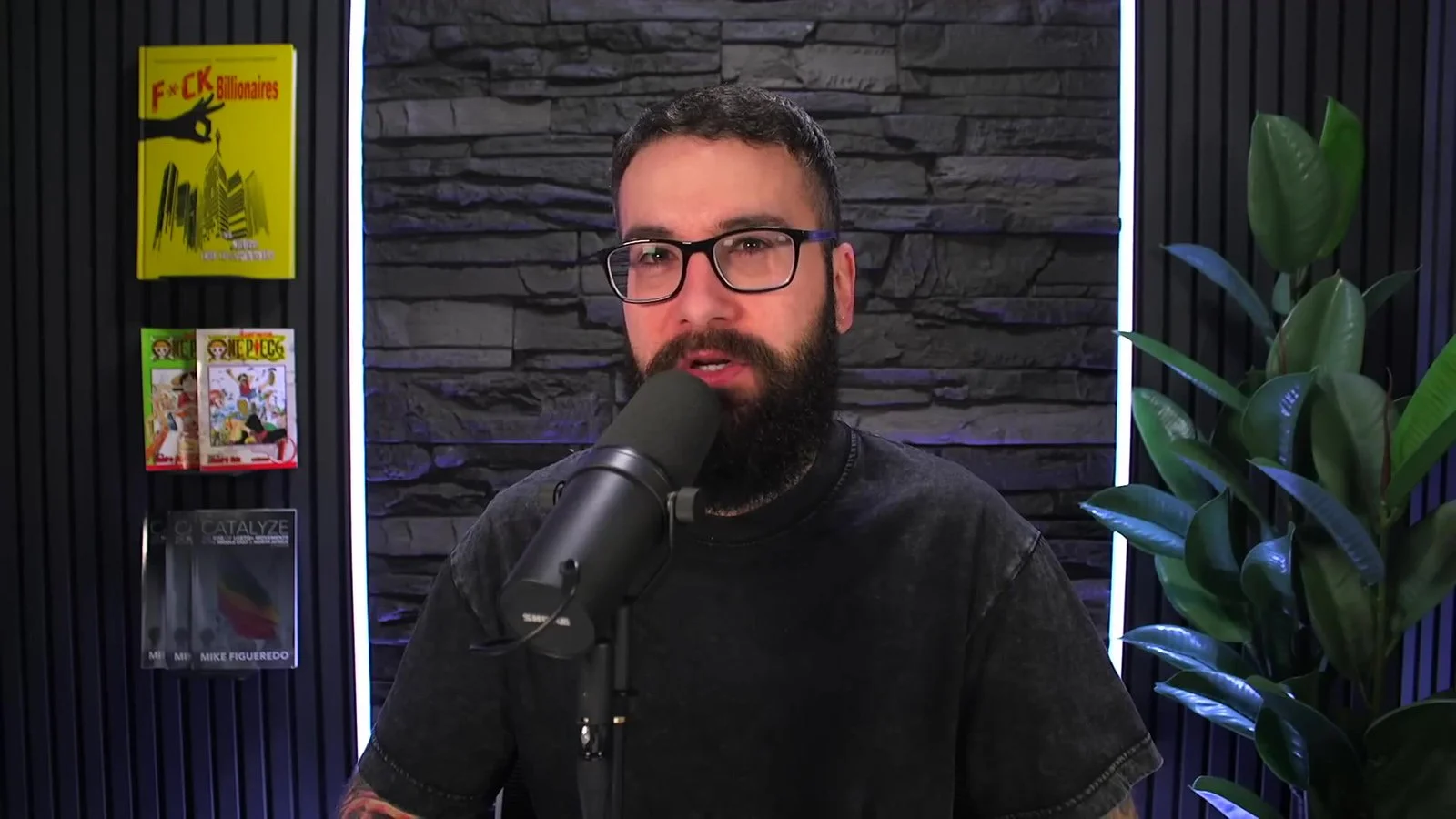
YouTube’s landscape has changed quite a bit since the 2016 primary. How do you balance the algorithm with the need to provide nuanced political analysis that might not always get the clicks that something more salacious but less substantial would?
Over time I've learned that I can basically talk about any subject I want and still get views so long as I approach it from a more "clickable" angle. For example, I really wanted to cover US-Israeli war crimes in the Middle East, but knew that topic wouldn't gain traction by itself, so I framed it in terms of the 2028 horse race and a potential AOC presidential run (I had an "in" because of her recent commitment to cut of defensive weapons to Israel), and gave viewers what they expected before pivoting to the topic I actually wanted to discuss. This has been my strategy for a while, but YouTube's algorithm prioritizes watch time more than anything, so I've had to adapt to make sure people still want to watch after getting what they came for, so I always try my best to keep them interested throughout the video with additional clips, funny outros, and circling back to the topic they came for at the start. That's not to say that I never indulge in more light-hearted, stupid stories; because I do, but it's usually if I feel like I need a break for more serious stuff and not because I'll be punished for it in the algorithm.
You became famous for your naming and shaming strategy regarding Medicare for All. In the current congressional climate, do you think that a strategy of direct pressure is still the most effective tool for progressives, or has general apathy just enabled the establishment to
become immune to public shaming?
I'm much more skeptical about naming and shaming, honestly. I think it can be effective (AIPAC Tracker is a great example), but over the years I've learned that politicians don't really care. It doesn't mean they shouldn't be named and shamed, but they very clearly couldn't care less. So, I've kind of moved away from that strategy as a result (with exceptions here and there).
With your academic background in Middle East and North African social movements, how do you view the current trajectory of U.S. foreign policy, given the fact that there are literal war crimes going on right now in Gaza and Iran, just as two examples.
It's bleak. I genuinely don't think it's going to stop until there's real accountability. Getting a Democratic president to sign onto the ICC—so US politicians can be prosecuted internationally—would be a good start. The problem is no president wants to do that because Democratic administrations commit war crimes too. Sadly, I think the US losing its status as a global hegemon is going to be the only thing that stops our criminal politicians. Once we're no longer the biggest superpower, and when the rest of the world moves away from the dollar as their world reserve currency, I don't think our country will be able to do what they've been doing with impunity. That's my hope at least.
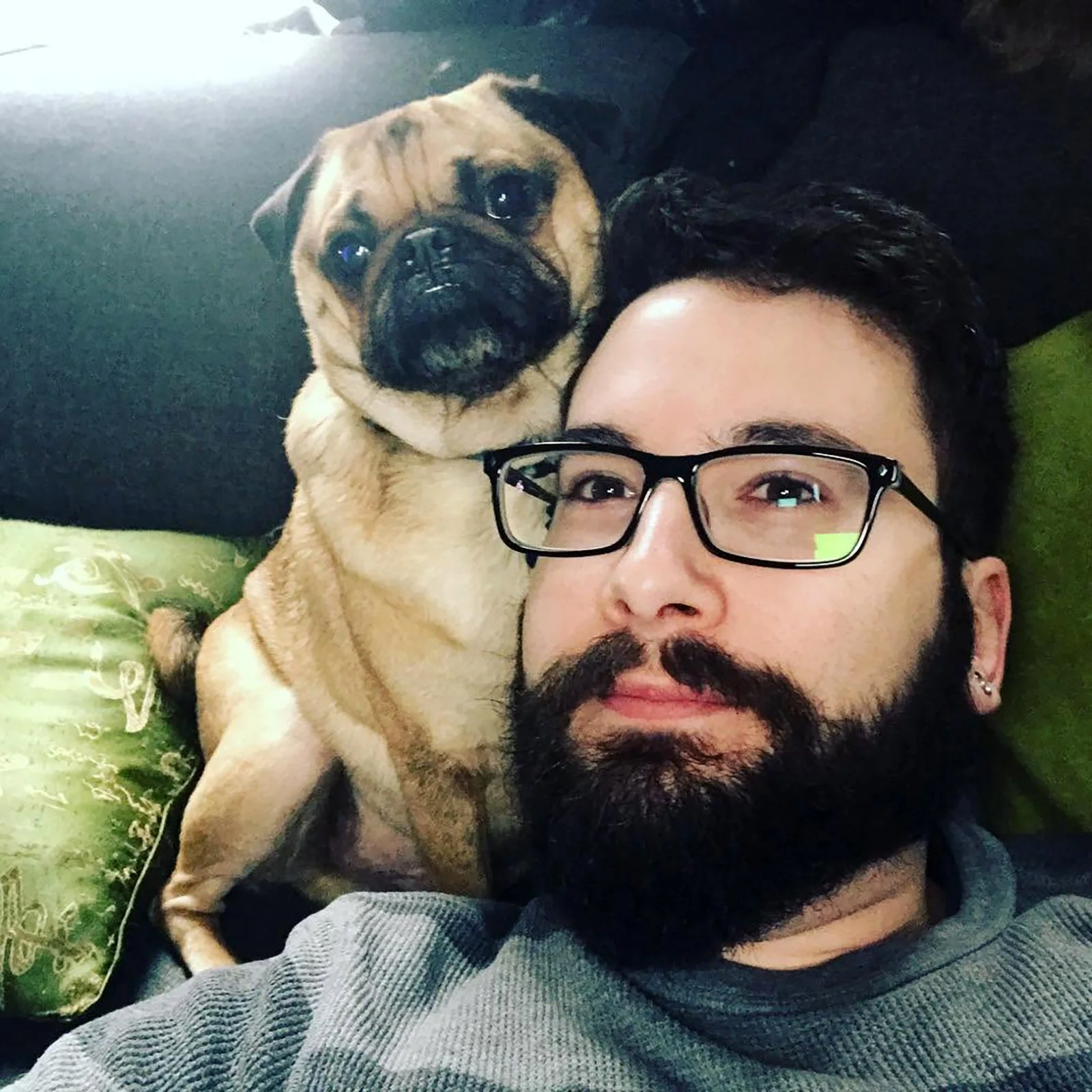
As an openly gay creator, how do you view the current legislative wave of anti-LGBTQ+ sentiment across various states, and what can an individual (perhaps one of your viewers) do, either as a LGBTQ+ individual themselves or as an ally?
It's genuinely horrifying. I've had once-supportive family members and friends revert back to their old homophobic ways because that's suddenly trendy again. With that being said, I'm much more concerned about trans and non-binary people at the moment. Doing your best to lobby local politicians is really important (they're more receptive to naming and shaming than national politicians). But as an ally, a really important thing you can do is just be there for your trans friends and family. Reaching out and asking them how they're doing, or if they need anything can go a long way. It's easy to feel alone, but having a friend reach out to validate you and tell you you're important goes a really long way.
We’ve seen a surge in labor organization and people out in the street protesting and a decline in voter engagement. Do you believe the left should be focusing more on grassroots organizing than on electoral politics at this point?
Yes, absolutely. We shouldn't abandon electoral politics altogether, but mutual aid and local-level politics are really important for leftists. It requires a paradigm shift since, as a country, we're hyper-focused on national politics (myself included), but local politics and mutual aid are where we can actually make a difference. From personal experience, the people you meet locally are probably going to be more liberal-minded, but engaging with them is important. Liberals are much more open to socialism than ever before. I had a really good conversation with someone at a sign-making event who had no idea how many times the US intervened in Latin America. We had a great conversation about US imperialism and eventually the genocide of Palestinians in Gaza. Radicalizing "normies" is essential for leftists and I think we need to force ourselves to get comfortable with the idea of going into more liberal spaces to do that—and for purposes of organizing locally more generally.
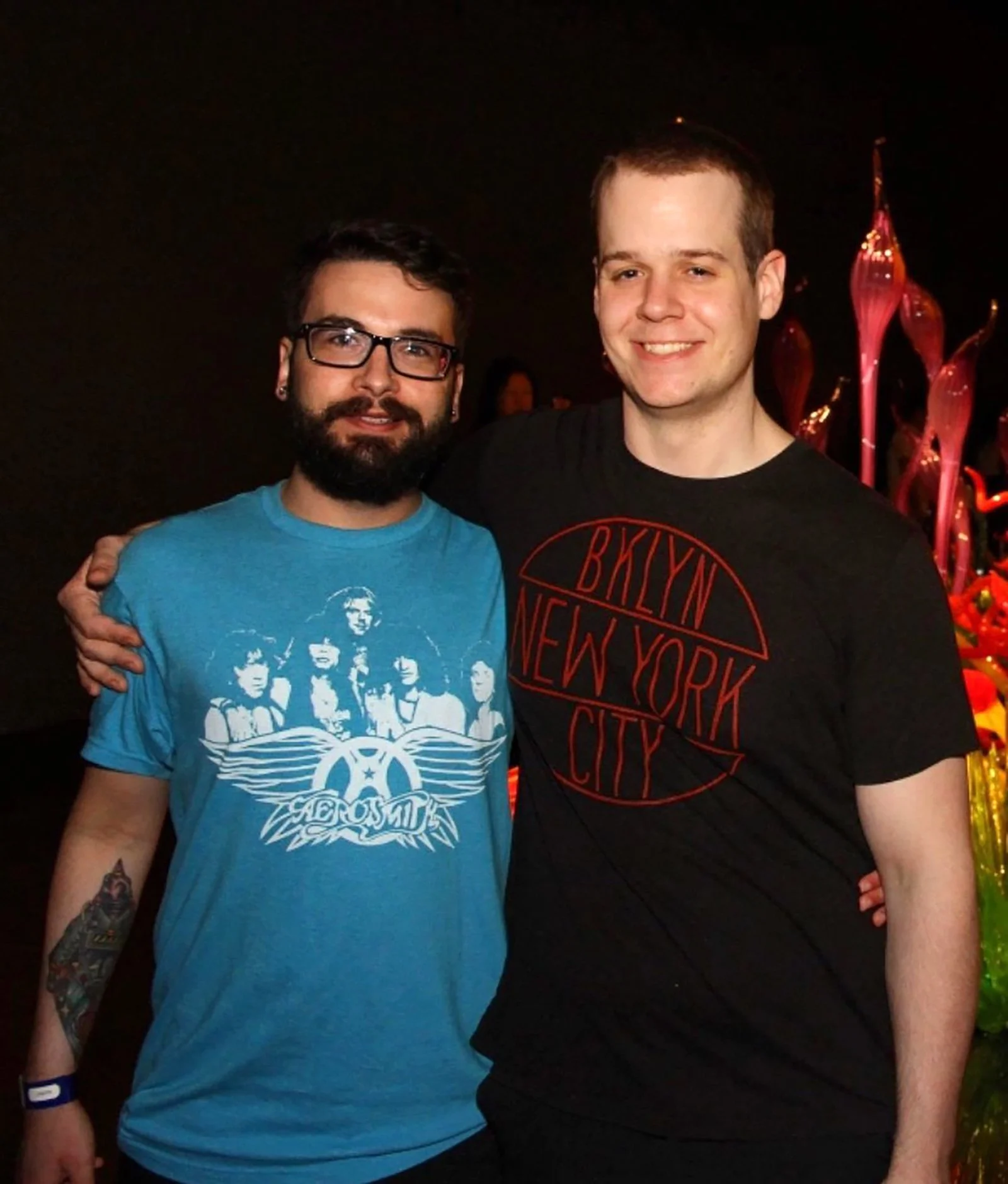
You’ve long been a critic of campaign finance laws. If we can't get Citizens United overturned in the near future, what do you feel are the steps the left can take in terms of harm reduction to counter corporate-funded candidates who fundamentally don't give a shit about any of us?
That's something I struggle with, because politicians know voters are turned off by the abundance of money in politics, and they're going out of their way to hide it. For example, AIPAC donates through proxies (like "Elect Chicago Women") and even corporate Democrats like Cory Booker are now claiming they're not taking PAC money. So, I don't know how to counter that, because it's getting worse, but step #1 is to be more savvy about how politicians are hiding their corruption.
There are a lot of issues out there - ICE, Palestine, Iran, anti-trans legislation, even the Epstein Files. It often seems like once there are developments in one area, the others get moved to the back burner. Are there any particular things going on that you feel are underreported, or issues that you care about that you feel that others simply aren't paying enough attention to?
Definitely healthcare. It's consistently been one of the most important issues to me because tens of thousands of Americans die every single year due to a lack of healthcare. So I try to constantly reinforce the importance of Medicare For All whenever I can. And, of course, climate change is another really important issue that doesn't get talked about enough. It's really overwhelming because we have multiple crises going on at once, but I think those issue get much less coverage then they deserve.
If you were to sit down with a disillusioned young progressive today (they're not hard to find) who feels that the system is completely and hopelessly broken, what is the humanist argument for staying engaged rather than checking out entirely?
I would tell them to stay engaged even if it's to be spiteful. The capitalist establishment wins when they get working people so fed up they check out entirely. I have no idea if a single policy I support will ever be implemented in my lifetime, but even if that's the case, I'm not going to let politicians failing us off the hook without at least putting up a fight and being the most annoying mother fucker I possibly can be to them. Perhaps they don't care about us nagging them, but if we make the lives of politicians even 0.01% more inconvenient, it's worthwhile to keep at it.
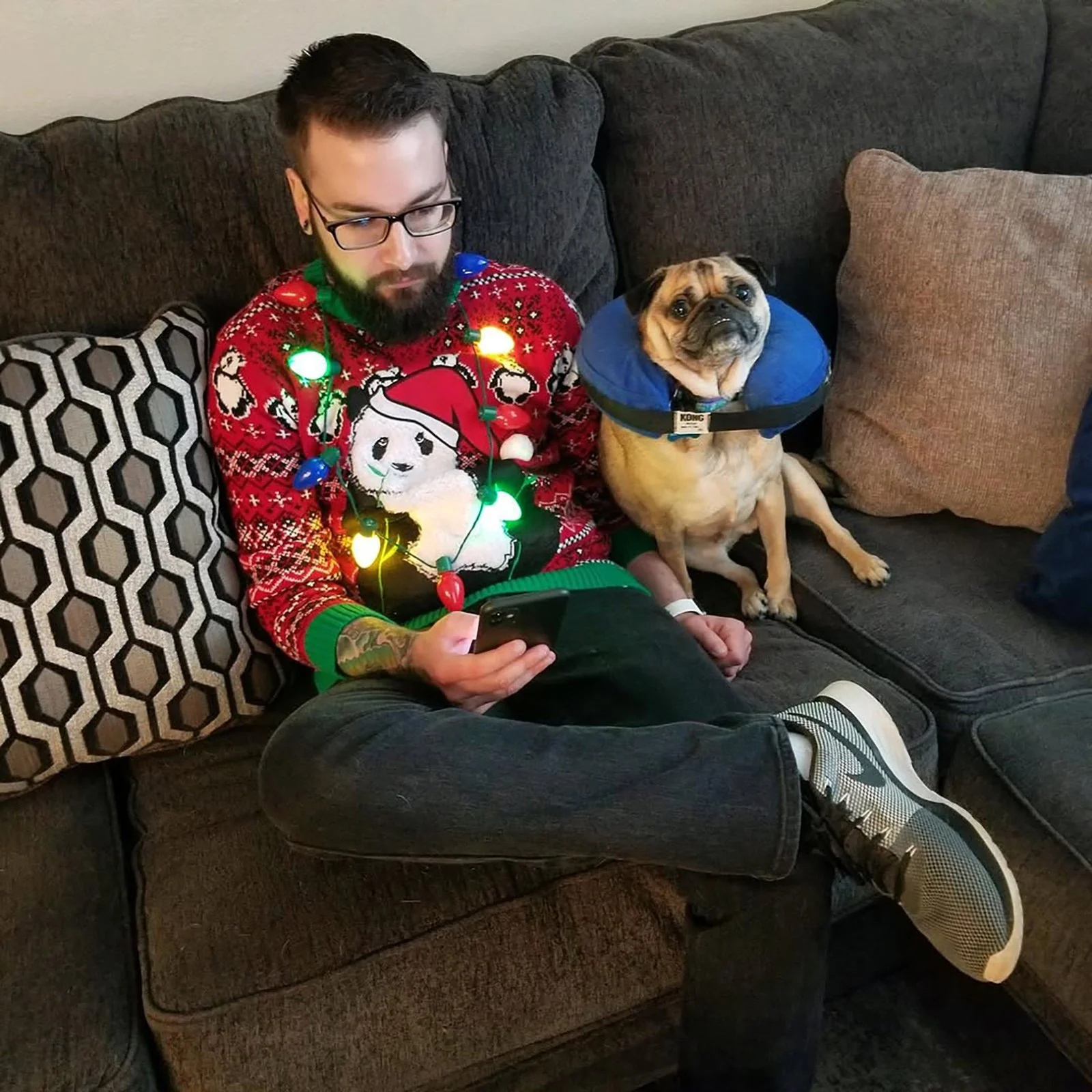
Our interviews always end with the opportunity for the interviewee to thank those that keep them going - family, friends, fans. Anyone you'd like to shout out for their support?
Thank you! I want to shoutout all of the people who tirelessly sound the alarm about our government's crimes against Cuba, Palestine, Iran and elsewhere. And thank you to knifetwister for giving me the platform to talk about issues I care about so much.
Links
Subscribe to the YouTube channel: https://www.youtube.com/@TheHumanistReport
Official website: https://www.humanistreport.com/
Facebook: https://www.facebook.com/humanistreport