

Just A Group Of Friends Making A Difference: An Interview With Nicole Brice of Mixed Alternative Magazine
By Staff | September 6, 2026
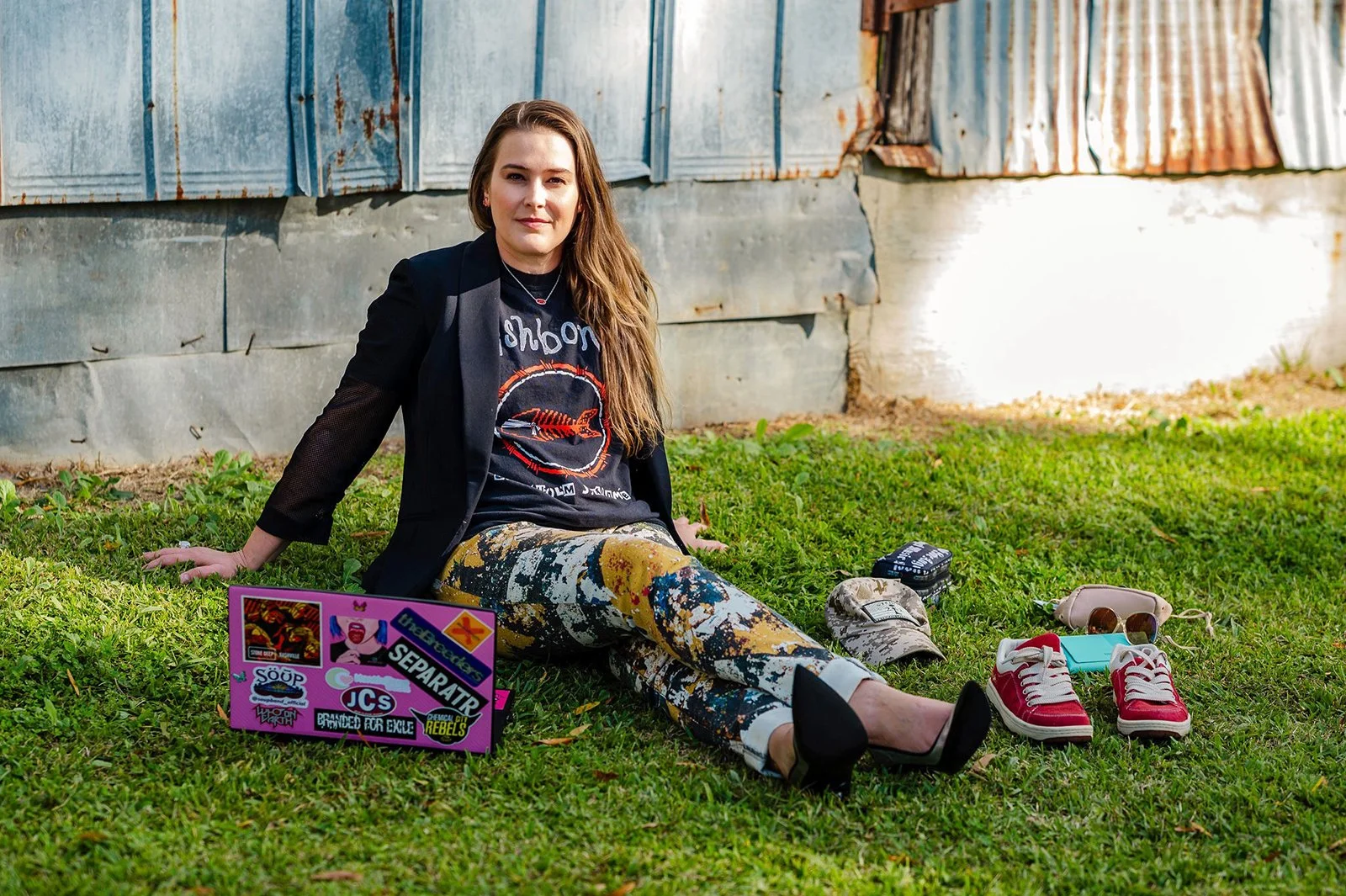
Photo credit: Rian Nickels
At knifetwister records, we have a pretty clear mission statement - we want to amplify voices that might not otherwise be heard. Sometimes those are members of marginalized groups, or sometimes they are simply bands that are too small to realistically otherwise get any press. However, one side benefit is that we get to meet people from all over the country, and all over the world. Some of them are pretty fucking cool.
Nicole Brice is the founder and editor of the Louisiana-based Mixed Alternative Mag. What you'll find at Mixed Alt: independent coverage, entertainment, passion, and personality. What you won't: rules, censorship, hard news, politics and religion. What you definitely won't find: ads. Woe be to the advertiser that approaches her with a pitch.
I had a chance to chat with Nicole on a wide-ranging course of topics, and since this is our first live interview, I sent her the transcript to eyeball, possibly make changes, fine tune her answers. There were no changes - what she said live is what is getting printed. No second guessing, no equivocation - pretty punk. We hope you enjoy reading this as much as I enjoyed conducting it.
So what made you want to start Mixed Alternative Magazine, and what did you originally hope it would become?
So basically I have a background in marketing and advertising. I worked in marketing and advertising for a corporate franchisee of a fast food conglomerate from 2006 to 2020 - I got laid off after COVID, and then it was kind of like I was at a crossroads. It's like, I sold my soul to the corporate gods forever and it was around that time too my son was diagnosed with autism. So I kind of had to take a step back and kind of become a stay at home mom. I'd just given birth to my daughter too. So it's like, well, what do I do now? I'm a music nerd. I've loved music my entire life, but I can't stand mainstream music and I just got to a point where it's like, I'm going on Spotify, I'm going on Apple Music and I can't find new music. It's the most cluttered BS I've ever seen in my life, right? There's got to be an easier way.
So I'm like, well, everything starts with the local music scenes. I'm 45 years old - it's been a long time since I've been heavily involved in the local music scene, and that was all in my 20's when I was in college. And so I said to myself, well, I have to somehow get back into the scene so I can find out which bands are really the most impressive and are making the most noise out there.
And so I started with that and I just started promoting my friends, and then that kind of grew into me meeting other friends with other scenes, like Jeff Crespi, a photographer up in Asbury Park, New Jersey - he's become one of my best friends. He contributes to our magazine now too, so it's like, we started as a Southern based publication because I'm in Baton Rouge, Louisiana, and then you've got the Alabama, Mississippi, the whole Gulf Coast. A lot of these bands don't get a lot of press and they don't get a lot of recognition. Most press doesn't want to touch you unless you're signed. I don't care. If you're in your basement making beats and it sounds good, I'll write about you, because it's just trying to circumvent the shitty music that's out there. That's the best way to put it.
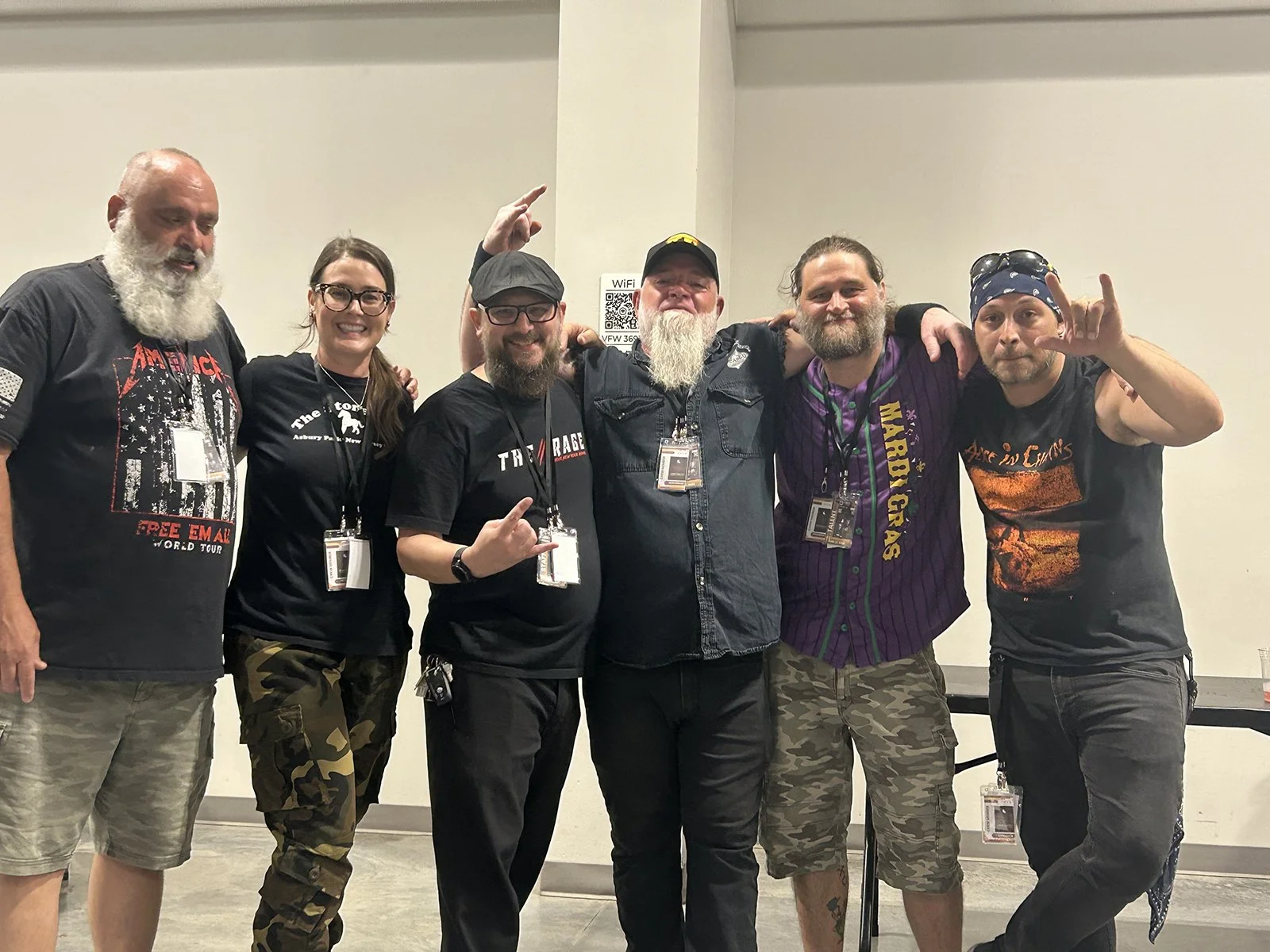
That's what made me interested in wanting to do it because I kept telling myself there's got to be better music out there than what they're pitching to us. And so that's kind of how it started. We've been doing this now for four years and it's just a group of friends. I don't let anybody into the circle I don't trust. We're just trying to make a difference and just report what we think is cool.
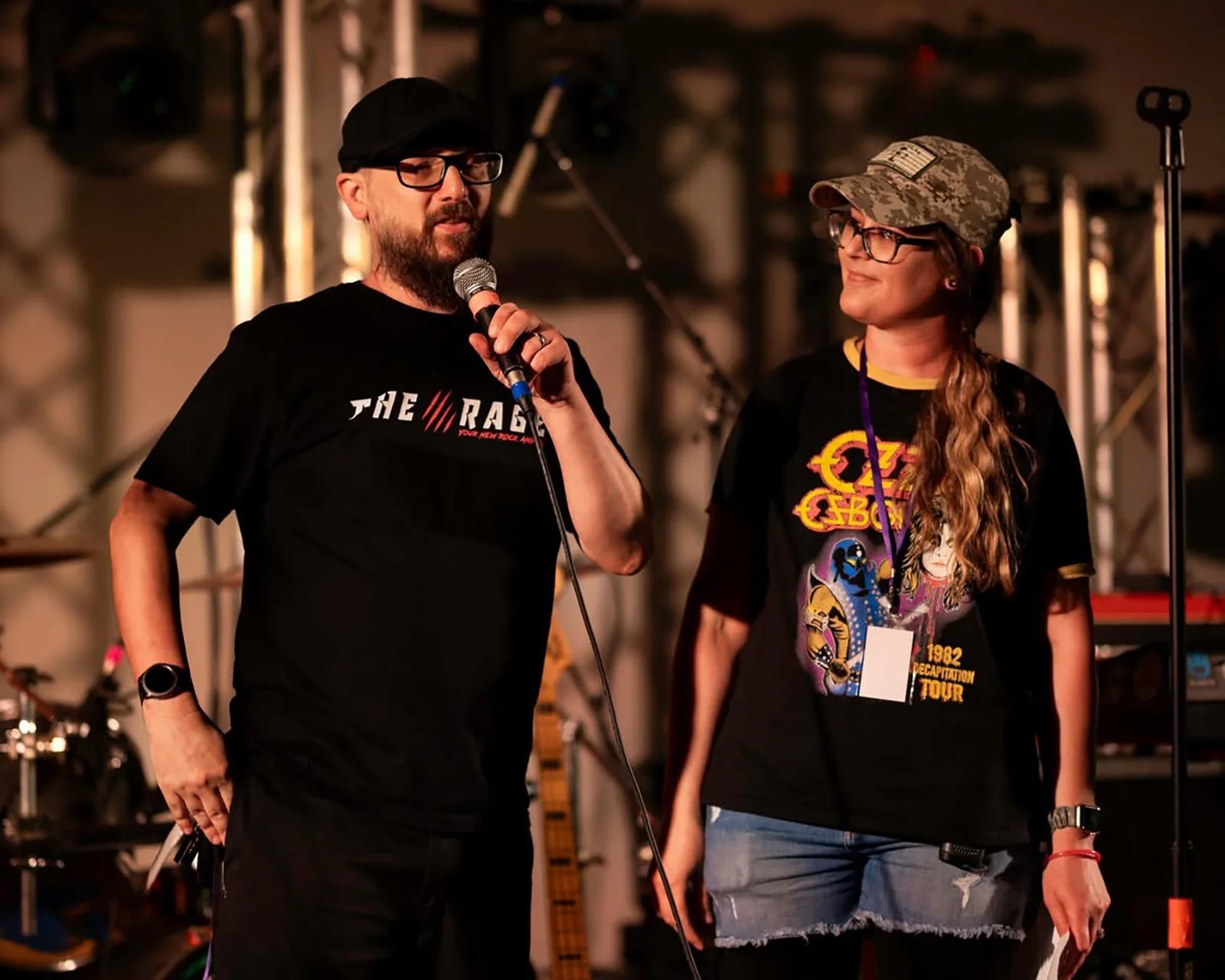
Photo credit: Rian Nickels
What do you think makes Mixed Alternative different from the other independent music and entertainment publications?
We don't run ads and I refuse to. I fund it all with my savings account and I refuse to compromise on that. Nothing is more annoying than when you're going on a music website and all you want to do is read about the music and you have 800 ads popping up for penis pills and God knows what else. So that was my number one thing when I launched it, I told myself, I said, you know, I've worked hard my entire life and I just want to give back to the music community and give back to those that I believe in.
And so I built the website myself. I built the brand. I built everything myself and just used my savings and now, like I said, it's just a group of friends that's trying to make a difference. I think that's where we stand out is you won't find a single ad anywhere on our website.
Part of your tagline is no hard news, no religion, no politics. What made you decide to eliminate these things from your publication? Were you looking to avoid polarization or was it something else entirely?
I want the focus back on the music. Everything has become political in the past few years and it doesn't have to be - good music is good music, plain and simple. If you want to use your music as a political agenda, that's fine. But for the most part, music is just music, and I just want to really focus on what sounds good. I only want to focus on the music, and a lot of the music magazines used to only focus on music and then they got away from that and then it became about everything else. So, just trying to keep it on music.
I've already gotten AI submissions sent to me. It's appalling. Fuck AI, I ain't promoting AI. One of them almost made it past me and I clicked on it because it looked humanish and then I go to the Spotify page and all the art is AI. I'm like, yeah, no, not happening. I mean, bro, some of these people are so freaking brained and they're like, what's wrong with AI flyers? I'm like, it looks like crap. Like how can you, as a serious artist who really wants people to take you seriously, totally just drop the ball when it comes to marketing yourself and think, oh yeah, this looks great. What the hell?
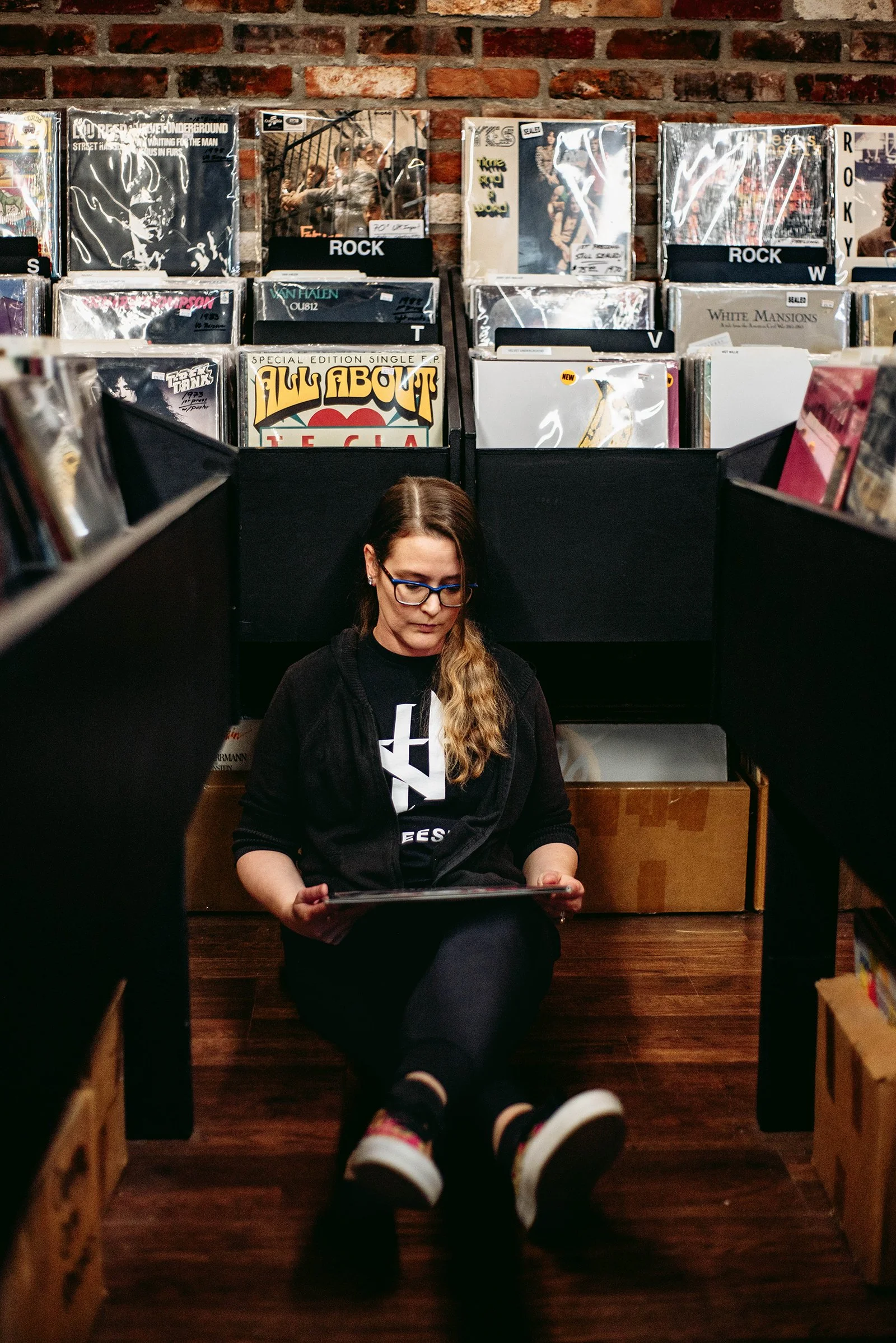
Photo credit: Michelle Ramey
So what's your decision process? How do you decide which artists, bands or stories you do want to feature?
Okay, so I'm going to be honest with you. If I receive a very generic press release right off the bat, I'm not covering it. If I receive an email direct from an indie band and they say, hey, we just launched this new song on Spotify, we really want you to check it out, I'm hopping on that before I'm going to go through all the press releases because I'm looking for real.
I'll give you an example: there was a band, this was maybe about a month ago and the band themselves emailed me. But for me, it's like when you're pitching your music to me, what is it? What does it sound like? Tell me about your music. So I open this email, I would expect a pitch like, hey, we're a shoegaze band from UK or whatever. Instead, the first line of the email is we have such and such streams on Spotify. We've played such and such shows, and I'm like, who gives a shit? What does your music sound like?
So yes, for me, I take the personal approach and I'm more apt to respond to somebody who seems real and genuine and wants their music to be heard versus some generic press release, you know?
For us, telling unheard stories is one of the most rewarding aspects of what we do. What would you say is the most rewarding aspect of what you do?
Telling stories is definitely one of them, but just promoting those who normally would not have a chance to be promoted. You know, finding those hidden gems - I'll give you an example, I won't say the guy's name, but there's a musician in Ireland who had reached out to us a couple of years ago and he's just a singer-songwriter with a guitar, the type of guy who normally wouldn't probably get press or anyone to pick him up. And I felt the genuine energy in his music and I'm like, this dude's got something. I started promoting him and it's like he's so grateful and he's so thankful. So to me, it's about the connection - when you're writing about an artist or musician and they are genuinely thankful for what you're saying and what you're doing, that means the world to me.
I don't vomit out word garbage. It takes me a good solid two weeks to craft an article because I will usually sit down and I'll write the intro, but then throughout the week, I'll have more things downloading into my brain and then I kind of add that in and I may not know where that's going to fit yet, but it's just the whole process of promoting people and just putting so much heart into it, you know?
If I genuinely like a band or musician - I'm not shitting you - if I genuinely like them and I'm invested in them and I want to promote them, and then the number one thing that is a turn off to me and I will not promote you as if you come at me with ego. You come at me with ego and you think you're just the best thing since sliced bread. Don't need you.
Where is your red line? Is there a type of artist or personality you'd never cover?
Yeah, the ones that are full of themselves, so I'll give you an example. I have writers all over - I have a writer in Alabama and he did an interview at a show last week with an up-and-coming band, he just happened to be there, and he thought they were pretty good. He's like, hey, you know, let me see if I can interview and write about them. So he does the interview and sends it to me - keep in mind this is a very new band, they have like 40 followers on Facebook. They have less than 1,000 on Instagram, and I looked on their pages, they had zero press. So my writer reaches out after the article and he's like, hey, I didn't have the photographer there, so we weren't able to get any unique photos, but do you have any press photos or photos of the band you could send us and give us permission to use in the piece, right? We've had that happen numerous times, it's not a big deal. They'll send you stuff, you know? These people had their manager write us back, and the manager was all rude and was like, well, first you have to send us the unpublished article so we can send it to the photographers to see if they approve of it, and if they approve of it, then they can approve you using the photos.
So I told my writer, just nicely write them back and say, my editor has decided not to run the piece, but thank you for your time. And then one of my photographers in Jersey has been doing some more mainstream shows and shooting for us. We had one a couple of weeks ago and they send us all the stipulations for the photos. And I have to say, dude, can we even post these after you take them?
What's the hardest part about keeping an indie publication going?
I get burnt out a lot. It's trying to keep the passion alive. And then you'll encounter a good group of musicians for a while, things will be rolling around and then you encounter that one bad apple and it kind of leaves a bad taste in your mouth. Like, you know what, I'm doing this as a passion, because it is a passion project - I'm putting all this energy into it, but some of these people just don't appreciate it.
So it's like when stuff like that happens, I'll kind of pull back for a bit and I'll kind of realign. I ran into an issue recently where our local music scene, like when I first started what I was doing, there was nobody in our local music scene doing what I was doing. And then now four years later, you've got other people stepping up trying to do the same thing I'm doing. So I'm backing up from covering the Louisiana music scene, so I'm trying to focus on other states. I've got Alabama, I'm working on Mississippi, we've got stuff up in Jersey, I've been getting submissions from D.C. and Pennsylvania. Hey, I'm down, so it's like, I guess just trying to keep myself motivated to keep going because it's like I don't make money at this and I don't intend on it and I never intended on it. It was one of those passion project things I just wanted to do because growing up, I always wanted to write for Rolling Stone, but I didn't want to deal with corporate politics. I was just like, I'll do it myself.
It's like when we were starting out before we found our core group of people, it's like you had a couple of creatives out there who would reach out and be like, hey, I want to contribute to this and then you explain, well, it's a passion project, we don't run ads, this is why we're big on integrity, and then they don't want to be a part of it. At the same time, you have so many photographers doing music stuff and you see them on Facebook constantly posting like, hey, you know, let me show up to your show and I'll do your photos cheap and this, that and the other. But the thing is, you have to get the experience before people are going to want to pay you for what you're doing.
And that's what I keep trying to tell a lot of these younger photographers. Get the experience, get your name out there and then people will want to pay you. One of our photographers that started it with me, he runs a production company full time, that's his full-time job, but music photography was his hobby. And so he knew going into it with me that this is just to get my name out there. Well, four years later and he's getting hit up by bands all over to do paid gigs with them. And he's like, thank you - I couldn't have done this without your exposure.
So, is there an artist or an interview you've featured that really sort of surprised you or stuck with you?
When I got to interview Lou Koller from Sick of At All, that is like the ultimate, just best interview. So Sick of At All is one of my favorite hardcore bands of all time, ever since high school. And then even when I was in the military, I served eight years in Louisiana Army National Guard, their music got me through so much. So, when I launched the magazine, in fact, Glenn Cummings (Scatterbrain/Ludichrist) made a comment on my Facebook one day, you should interview Sick of At All. Dude, that's like a bucket list item, I would love that. Well, then Jeff Crespi is like, I know Lou, let me text him. I was like, OK, so then literally the next day, Jeff Crespi, he's like, hey, here's Lou's phone number. Just text him. They're on tour right now with Life of Agony, but they're wrapping things up. I'm like, you want me just to text Lou Koller from Sick of At All? OK.
And so I did the interview.
I was on Cloud Nine the entire time. He was so gracious and kind and nice, rest in peace, and this was after the magazine had only been around for like four months. He granted an interview to a new up and coming publication, and that meant the world to me. So hands down, that would be the best one I ever did.
I would say second one - I don't know if you're familiar with the artist BlackLite District, he does a lot of like Minecraft type music. It's kind of more industrial things like that. But I had the opportunity to interview Kyle Pfeiffer of Blacklite District. And he was such a great interview, so intelligent and brilliant. And to me, when we can have those intelligent conversations with these artists, that's where the true magic happens. I'm not really keen on interviewing mainstream artists. It's about the indie artists, but we do have a section on the website called The GOAT, you know, greatest of all time. So one of those may have more mainstream opportunities come up, of course, I'm not going to pass it up. But I would say my ultimate bucket list would be anybody from Bad Religion or Pennywise, two of my favorite punk bands ever.
Where would you like to see the magazine over the next few years?
You know, truth be told, I've thought about this, and I told myself - it's not meant to be permanent, and it was never meant to be permanent. But if I can get these people's music heard, and I can somehow help them with their musical journey, then my job is done, and then I'll fold it all. So it's just about helping those that I want to help, and elevating them. Once I feel like it's done, that's it.
Photo credit: Brennan Sanders
visit them at https://www.mixedaltmag.com/