

Everything We Keep Inside: An Interview With Uruguay’s A Small Madness
By Staff | February 21, 2026
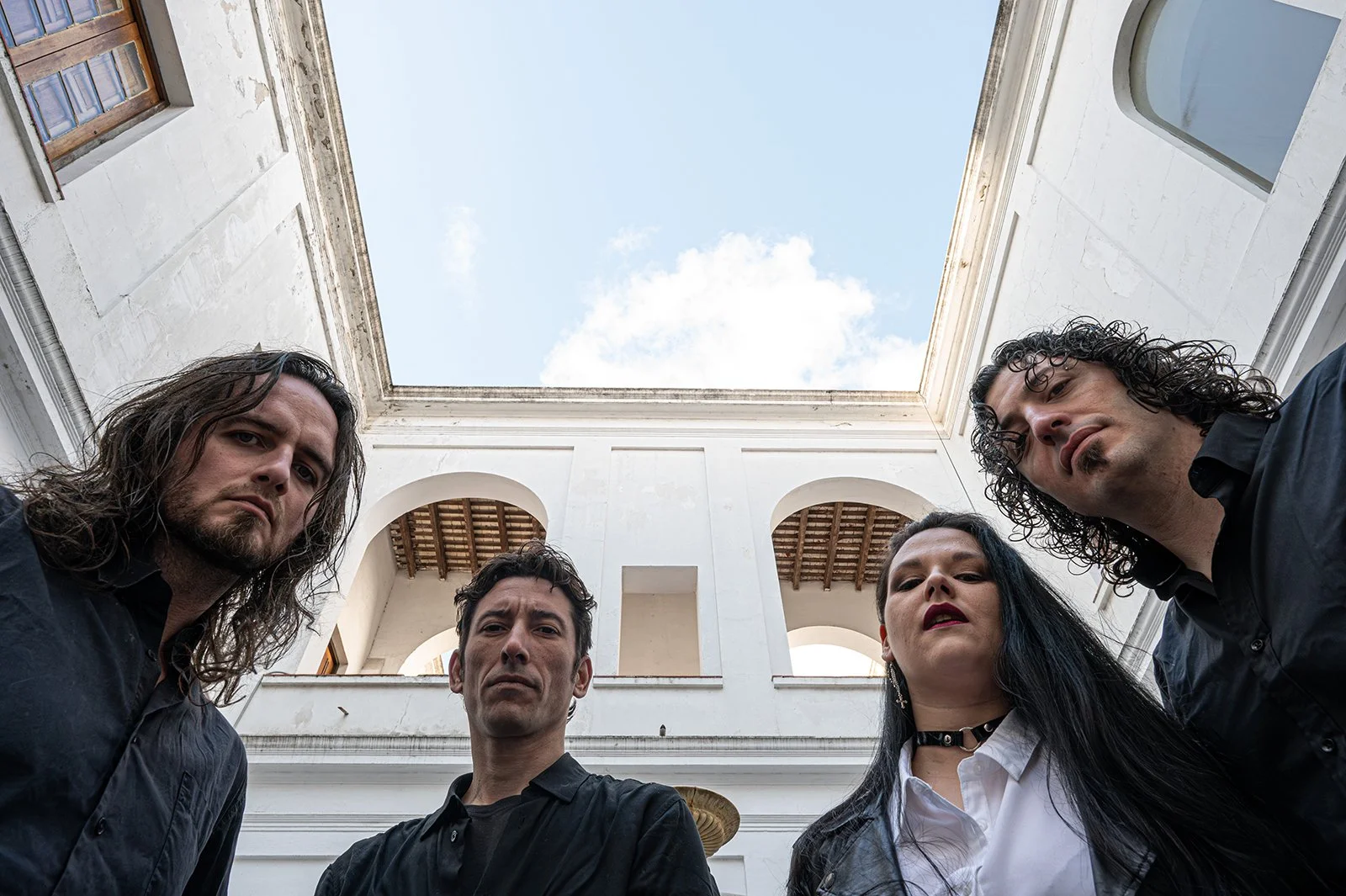
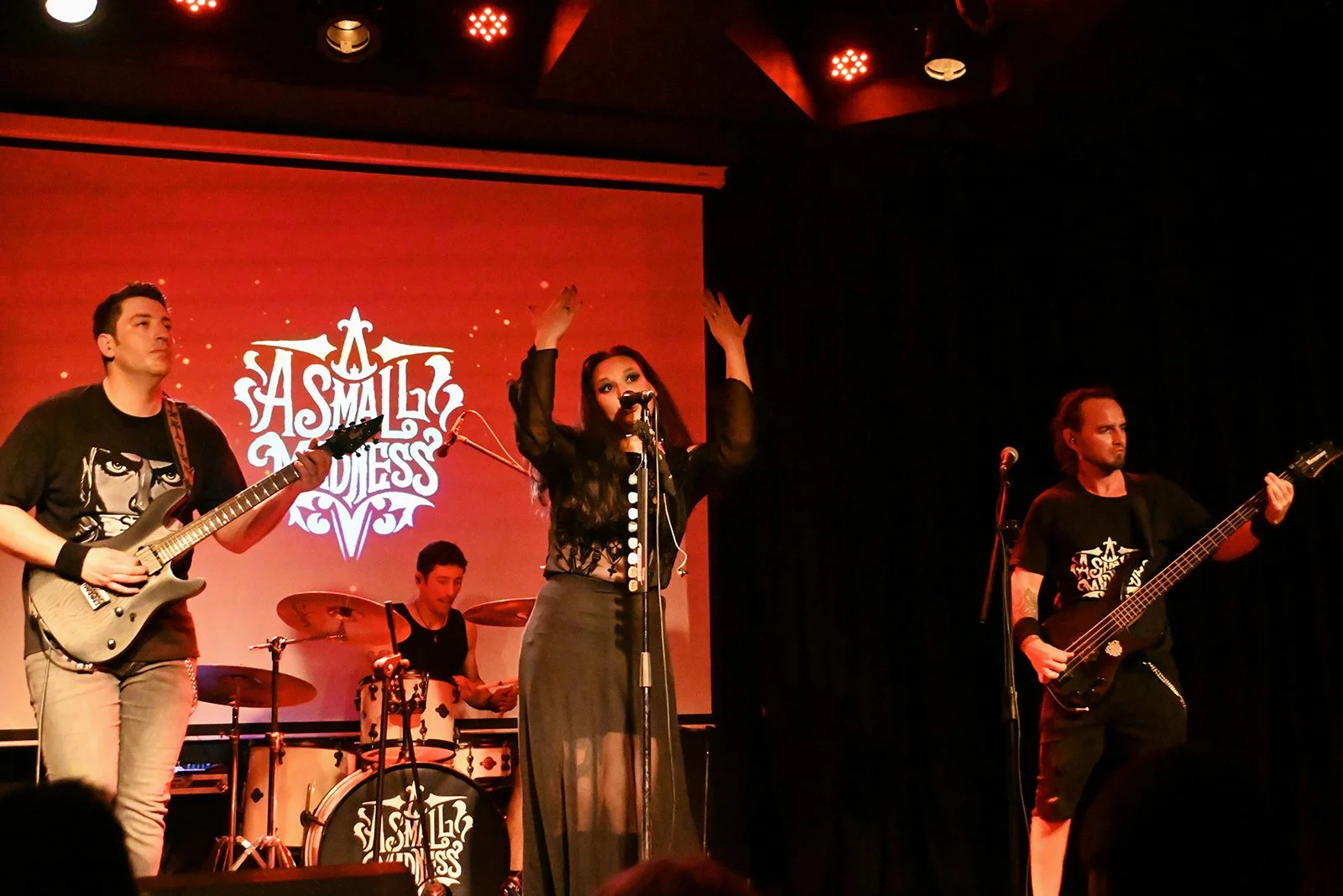
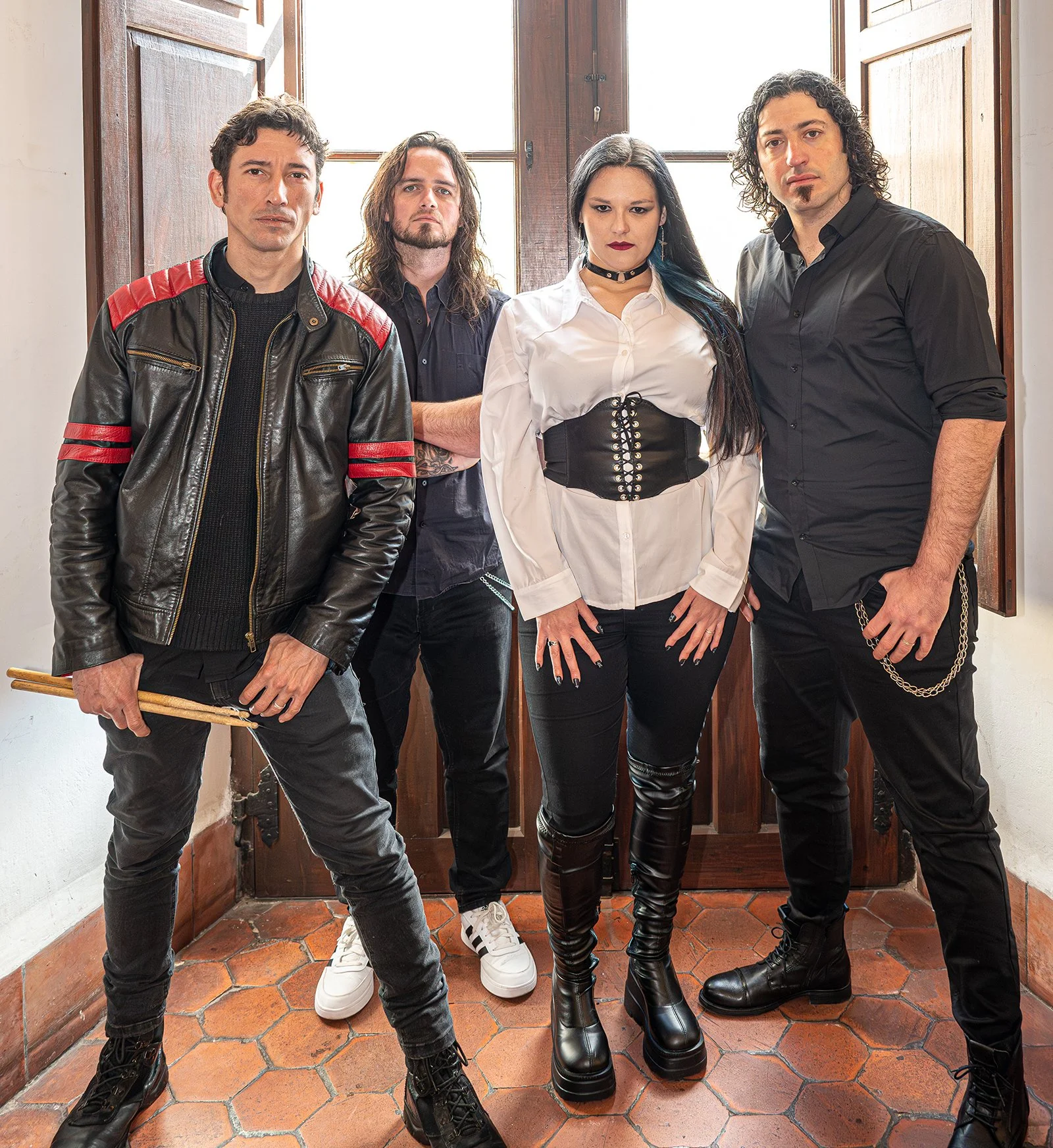
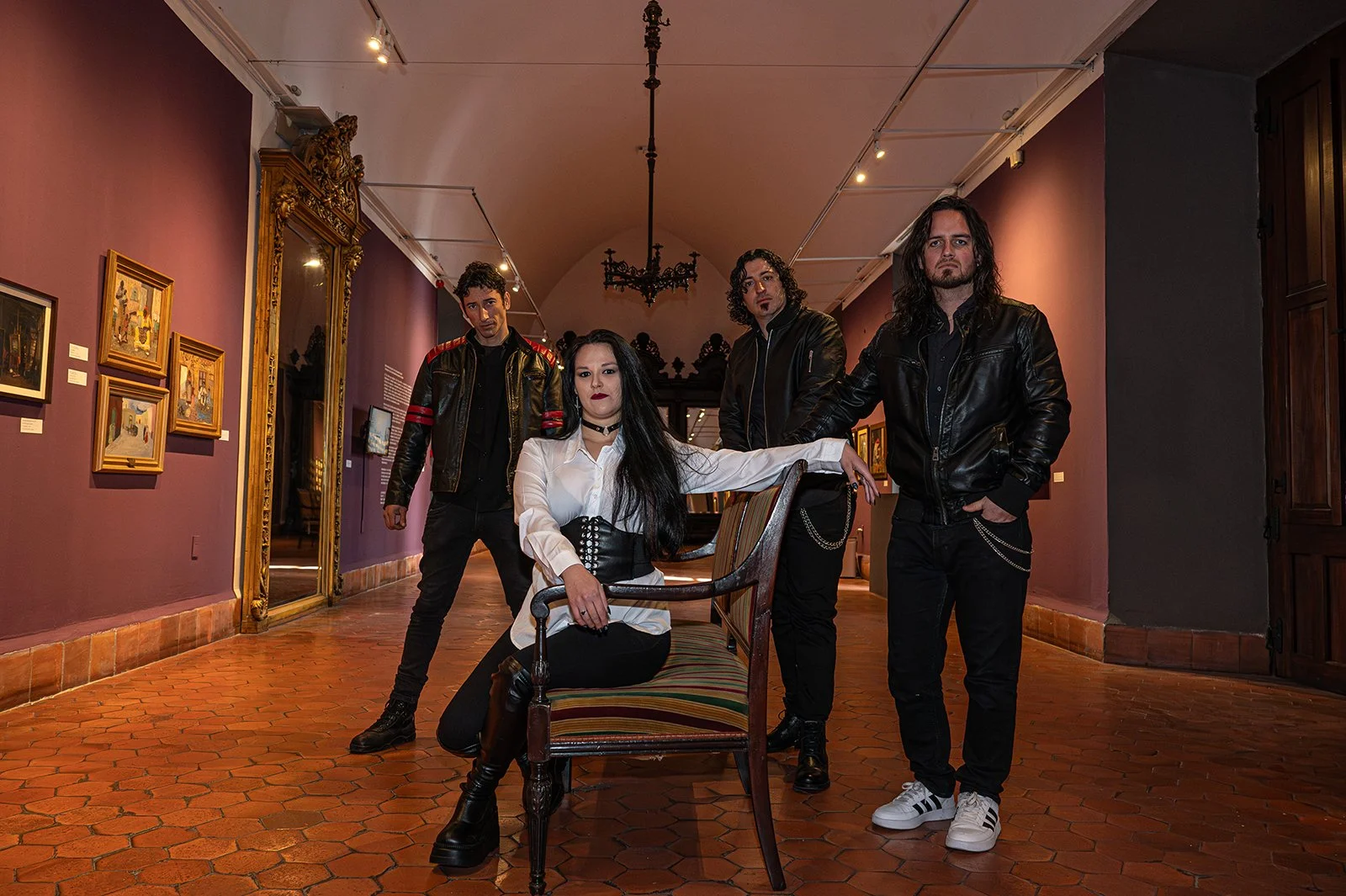
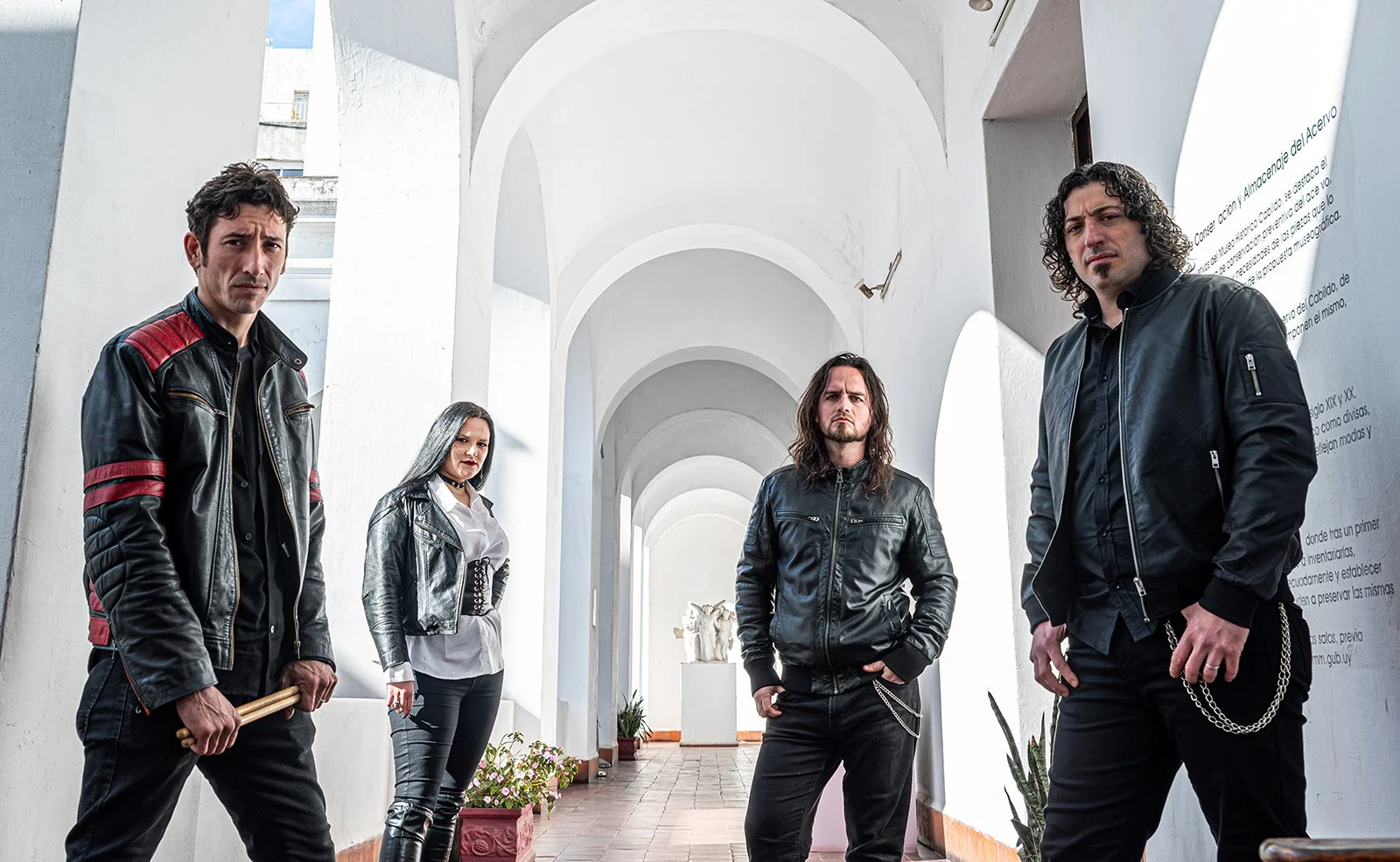
Hailing from Uruguay, A Small Madness is a metal outfit that specializes in turning suppressed internal friction into explosive sonic energy. Their name serves as a metaphor for the unspoken parts of the human psyche—those bottled-up emotions and hidden truths that eventually reach a breaking point and find release through their music. While their foundation is built on the raw, empathetic legacy of early-2000s nu-metal, the band has consciously evolved, shedding revivalist labels to embrace the technicality and of the modern metal scene. By opting for English lyrics, they treat language as a universal bridge to connect with a global audience, viewing their songs as a direct conversation with anyone who has ever felt marginalized or misunderstood. Fearless and visually driven, A Small Madness doesn't shy away from provocative political or religious themes; instead, they use their platform to "tear off the band-aid," aiming to provide the same sense of sanctuary and catharsis that their own musical heroes once provided for them.
The name A Small Madness suggests something contained but intense. How does that name reflect the way you approach your songwriting and the inner worlds you explore in your lyrics?
A Small Madness means everything we keep inside and don’t discuss, don’t share, don’t even feel sometimes. Until it blows up in your face. That’s how we approach our music and writing. We ask ourselves: what do am I not talking about? What do I want to keep hidden? What do I want to destroy? And from then on, we write, we sing, we play, we headbang. We translate anything we can’t face or talk about into what we do best: music. We think it’s a very fitting name.
You’ve made the conscious choice to write in English to reach a global audience. Does the songwriting process feel different when you're expressing Uruguayan perspectives or personal emotions in a second language?
The decision to write in English came easy to us. We knew we wanted to take our music farther than the borders of our own land, and we have this tool at our hand, so why not use it? The bands that influenced us speak English (as a native language or as a second language), so it is all that it is. A tool to get closer to people. And we know how to use it, how to communicate using the language, how to paint the pictures we want to, so it´s not different at all from talking to your friends on the phone in your own language. That’s how we want this to feel like: a conversation between people who have the same experiences and feelings in common. Language just makes it easier.
Nu metal is seeing something of a global resurgence. How do you balance those classic 2000s influences with a modern production and sensibility?
We were never interested in being a “revival band.” We knew the type of music we wanted to make and we’d had great teachers in the early 2000s who showed us the most important thing you can do is being yourself. But, at the same time, we wanted more. We wanted to play other things, sing in another way. And we understood quickly that if you want to get better at anything, you cannot keep doing the same over and over; you need to learn new tricks. So, we started shifting focus from what was familiar to us, the nu metal scene, to what was not: the modern metal scene. And trust us, it was hard as fuuuuuuuck to wrap our heads around this whole new sound. For a minute there, we were old people yelling ‘this ain’t music!’ When we got it, we figured out we had a gold mine in our hands, with so many interesting and talented musicians to learn from. And that’s what we try to do every time we work on something new.
You've mentioned wanting to make people feel seen and understood. Was there a specific song or artist that made you feel that way growing up, and sparked the desire to do the same for others?
Metal has always been the hand that grabs your wrist and pulls you from whatever shithole you’re in. We’ve been there, you’ve been there, everybody’s been there. Bands like Slipknot, Linkin Park, System of a Down, Deftones, Evanescence, they are great examples of bands who made us all feel understood, not only in the mental health department, but also in the political aspects of our lives. Wanted to cry? They got you. Wanted to set shit on fire because nothing is fair? They got you. Wanted to break stuff in your bedroom? They got you. We knew how it felt like and being able to at least try to do the same for others is a great feeling.
Politics and religion can be polarizing subjects. How do you approach these themes in your music without losing the emotional, human core of the band?
With no fear, head on. As if you were ripping out a band-aid. There are things that need to be said. And things that need to be felt. We have the chance of having an instrument in our hands and a microphone to say things to, so let’s say them. Let’s say ‘hey, this is wrong’, ‘hey, I don’t like this crap’. Music and art have always been a platform to change the things we don’t like, so bring it on. Let’s make the right people very uncomfortable.
What is the metal scene like in Uruguay right now? Is it challenging to be a band that writes in English within a predominantly Spanish-speaking local culture?
The metal scene in our country has always been constant. There are great bands showing what they can do and a lot of people trying to keep the scene alive and trying to give everybody a chance to be heard, to be seen. We’re all thankful for it.
Being a band that doesn’t sing in Spanish can mean you’ll face certain difficulties, sure, but people who really like what you do and really enjoy music as a whole don’t approach a new band because of the language, but because of what they can do, because how professional they are, because how they treat them and their peers. They feel the music first. And the ones that criticize the language choice are the same who cross to Argentina to see Metallica when they go there, a band that clearly DOESN’T SPEAK SPANISH. So… we take it in good humor.
You have three singles out and a fourth on the way. Looking back at the first three, how has the sound or the chemistry of the band evolved as you head into this new release?
Our three singles clearly show how much we have evolved as a band. A Small Madness, the first single, still has that sound from the eighties with a twist of nu metal in its sound, that’s how we started. The second one, Uncanny, was the experiment. That’s when we asked ourselves ‘what else can we do?’ So, we ventured into the unknown and we started experimenting with production, with different sounds, with a different way of writing and playing. And the last one, This Is War, was the one that put an end to the experimenting and opened the door to where we wanted to go as a band.
Everything new stemmed from these three songs and their different stages in the search for our identity as a band.
Judging by the videos on your YouTube channel, clearly, the visual aspect is important to you. How much does the look and the atmosphere of your videos dictate how you want the audience to perceive the message of the songs?
For us, the visual is as important as what you’re listening to. In each music video we attempt to illustrate what is going on in our heads when we play that particular song. And we want you to feel the same. Of course, it’s our interpretation. We always leave a door open for your interpretation, which is generally more interesting.
If you could tour with any three bands in the world right now to represent the Modern Metal movement, who would be on that dream lineup with A Small Madness?
Spiritbox is a band we absolutely love and admire. We listened to their first album, Eternal Blue, a lot when we were trying to figure out what on earth to do and where to go to after our first single. We learnt a lot from them. Jinjer is another band we really like even though it’s on the opposite side of the spectrum. We have nothing to do with them musically speaking, but they are a role model for bands in terms of professionalism and talent. Wage War was another band like Spiritbox. A great sound in their album Manic, something that set a goal for us in terms of what we wanted to achieve as a band.
Was Uruguay really the first country to legalize weed? We heard that but are too lazy to look it up.
YES! It was legalized in 2013 in José Mujica’s presidency and we became the first country in the world to do that, thank you very much.
Anyone you'd like to thank for their support?
Yes! You and your readers for giving us the chance to do the thing we do best: talk about ourselves. And we’d also like to thank our producer Enzo Bianchi (@enzo_mbianchi). He’s an important part of our project and our sound.
Links
Instagram: https://www.instagram.com/asmallmadness/
Tiktok: https://www.tiktok.com/@asmallmadness
Youtube: https://www.youtube.com/@asmallmadness
Spotify: https://open.spotify.com/intl-es/artist/6F0GRN52TubFymPaF7NpSS?si=l0zy4-s5R6mxZmgbzgoeMg
Apple Music: https://music.apple.com/mx/artist/a-small-madness/1734705277