

Building Sonic Bridges: An Interview With Brazil’s Deaf Kids
By Staff | April 28, 2026
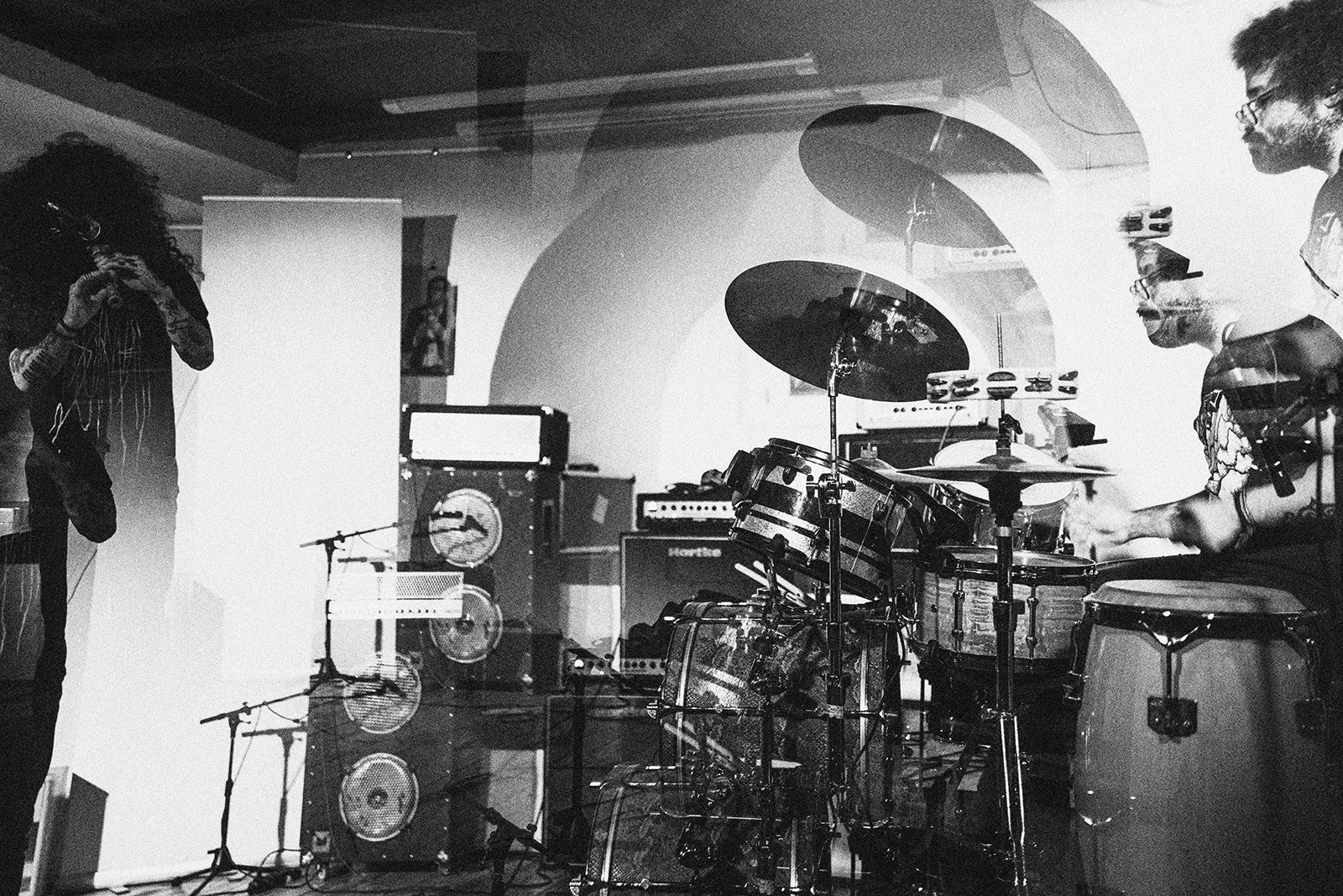
Photo credit: Daniel Dee_X_Gee
Brazil’s own Deaf Kids is known for a relentless sound that fuses d-beat punk with hypnotic African and Indian polyrhythms. Since their formation in 2010, the band has championed a unique non-genre approach, prioritizing raw, confrontational energy over the constraints of traditional musical categories. Their commitment to artistic integrity and the DIY spirit eventually caught the attention of Neurot Recordings, providing a global platform for their unique brand of sonic discharge. By incorporating non-traditional instruments like the berimbau and even scrap metal into their wall of sound, they create a communal, trancelike experience that serves as a bridge across the cultures of the Global South.
Your creative process usually starts with the beat rather than a riff. How does starting with rhythm instead of melody change the way you perceive the punk elements of your music?
We have this spirit that we carry and want to express through the Deaf Kids aesthetic, which, regardless of the musical approach in the creative process, whether influenced by certain rhythms, or by some riff, a feeling or scenario that we want to evoke with the music, it has to be punk and confrontational!
Your live sets as a sonic discharge or a communal experience. How do you balance the improvised energy on stage with the precision needed for complex polyrhythms?
We both share this experience of circulating in improvisation circuits, collaborating with other artists, etc. for many years now. We are both multi-instrumentalists, and in some way, we share this same approach of a more modal music in our way of playing, which opens up a lot of space for improvisation, even within certain structures ... improvisation is already part of how we play.
In your Against The Clock session, you used scrap metal as a makeshift drum kit alongside synths. How do you decide which non-traditional sounds instruments fit into the Deaf Kids aesthetic?
This set was completely put together at the last minute, and to be honest, we weren't even that happy with the result, hahaha, but the Patch Notes video with Fact, which was recorded on the same day, definitely turned out better. Anyway, again, as multi-instrumentalists, we add what might work, with what we already have and play. I personally love to use different instruments that have a voice of their own, our albums always have some different things, and without being afraid of processing, etc. Instruments like the berimbau, cuíca, talking drum, didgeridoo, different flutes, Indian tabla, mouth harp, trumpet, etc., have been present on our albums over the years.
As a band that values physical media and deep connections over being part of a scene in a strict sense, how do you feel about the current digital-first landscape of the underground music world?
Honestly, most of the time it's very frustrating. This answer could be very long and lead to a lot of conversation ... I understand that's how things are today and we're inevitably part of it, but that doesn't exclude me of personally finding this digital-first landscape a complete evil bullshit haha. We can't identify in any way with the dance of these social networks controlled by techno fascists and it's monopolization and excess of information, it's full level surveillance data-gathering machine, it's trend simulations, it's bots, algorithms, all the bullshit... and basically, whoever has money buys everything, numbers, exposure, media... everything can be simulated there as reality; things operate in a very superficial way, and it's simply very difficult to compete with the "hype factories," whether at a national level (in our context here in Brazil) or at a global level, let's say. So fuck that shit, fuck Instagram, fuck Meta, fuck Spotify, fuck the Silicon Valley! Go to shows, make music, make art, touch people sonically with whatever you feel that is relevant, cause that will stay here longer than ourselves.
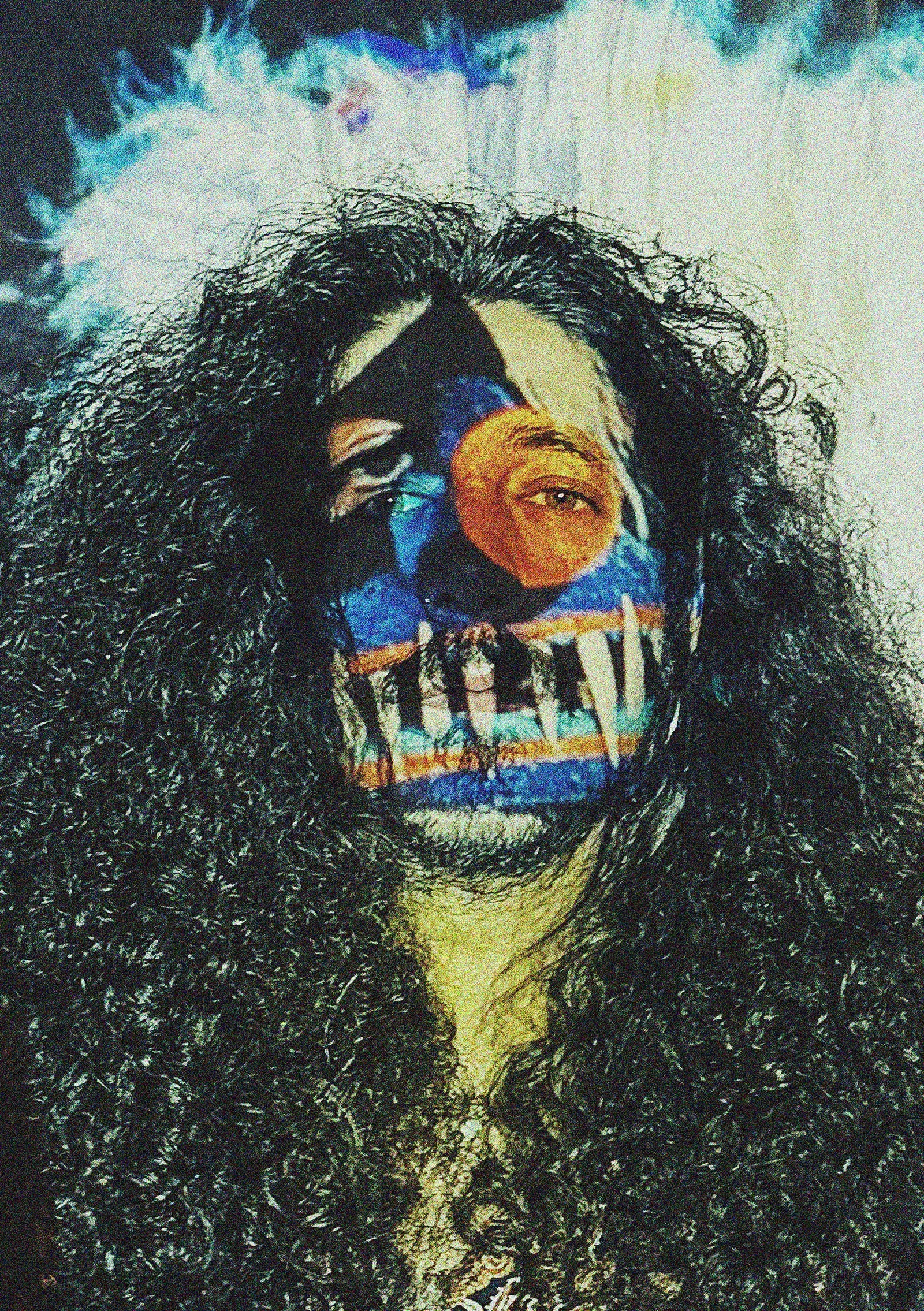
Photo credit: Ivi Maiga Bugrimenko
Your music blends South American traditions with African and Indian polyrhythms. Do you see your sound as a way to document the shared struggles of the global underground?
Yeah, somehow I guess... We definitely identify with the cultures and music of the Global South, and this is reflected in our creation as well, and in seeking to build these sonic bridges between the things that influence us musically and politically. Brazil is a land of brutal mixtures in its nature, and it's part of our culture to be open to aggregate and upgrade things that we like and identify with, so that's within us somehow.
You often talk about non-genre genres. Does the freedom of not being pigeonholed ever feel like a burden when trying to book shows or find a specific audience, or is that ambiguity your greatest strength?
Honestly, this "non-genre" thing is the natural outcome of our creative processes.I believe that for the "market" (for booking shows, media outlets that gets a bit confused with our work, or the way we are often just ignored, specially in Brazil) it's definitely some kind of a burden hahaha but for me, it's our strength as well, we want to sound unique and be true to ourselves (and I believe we do!), and we gonna make it happen no matter what.. and I think that many people appreciate what we do because of this spirit! Music and art are the priority and that's what matters, the rest comes later.
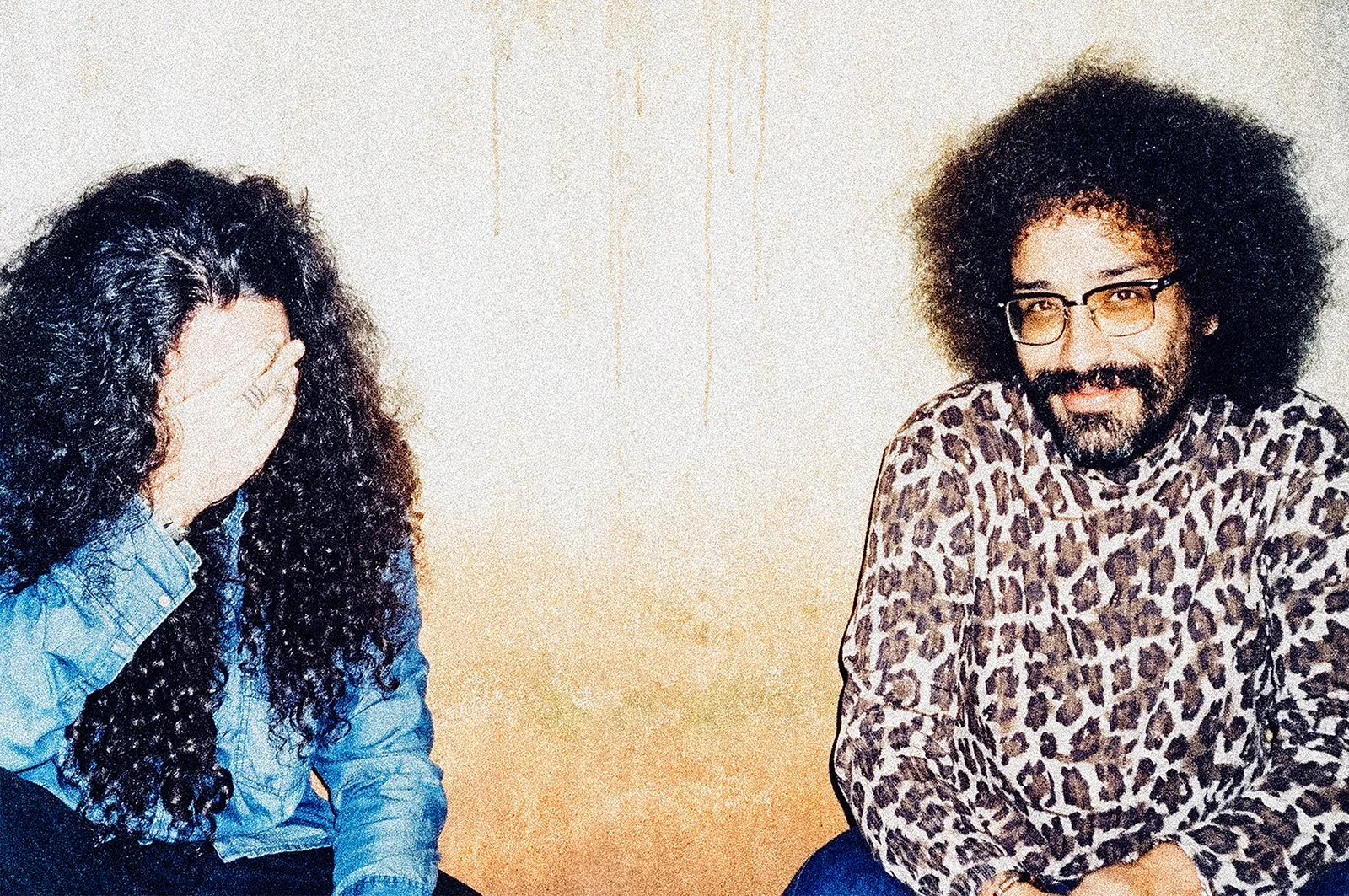
Photo credit: Ivi Maiga Bugrimenko
Since Steve Von Till signed you to Neurot Recordings after seeing you on a year-end list, how has that relationship with the Neurosis crew influenced your perspective on longevity and artistic integrity?
Steve, Neurosis, and Neurot basically changed our lives, precisely because they gave us that confidence of being fully true to our art, and having an outlet to put our work out into the world, giving us that perspective of longevity with music as well. There are no words to thank them. Much love to all of them. It was such a cosmic thing because we really have a lot in common when it comes to artistic integrity!
After over 15 years on the road, your lyrics have shifted from addressing external inequality to a more internal, reflective process. What is the most significant thing you’ve learned about yourselves"?
I think the most significant thing I've learned while living this traveling life is about being present and appreciating the moment, however difficult it may be. Everything is truly fleeting, both the good and the bad things, they simply pass, just as we are constantly transforming all the time. And also, that everything, all the time, is always a learning experience; there's no limit to this process, and I always try to humbly place myself in that position.
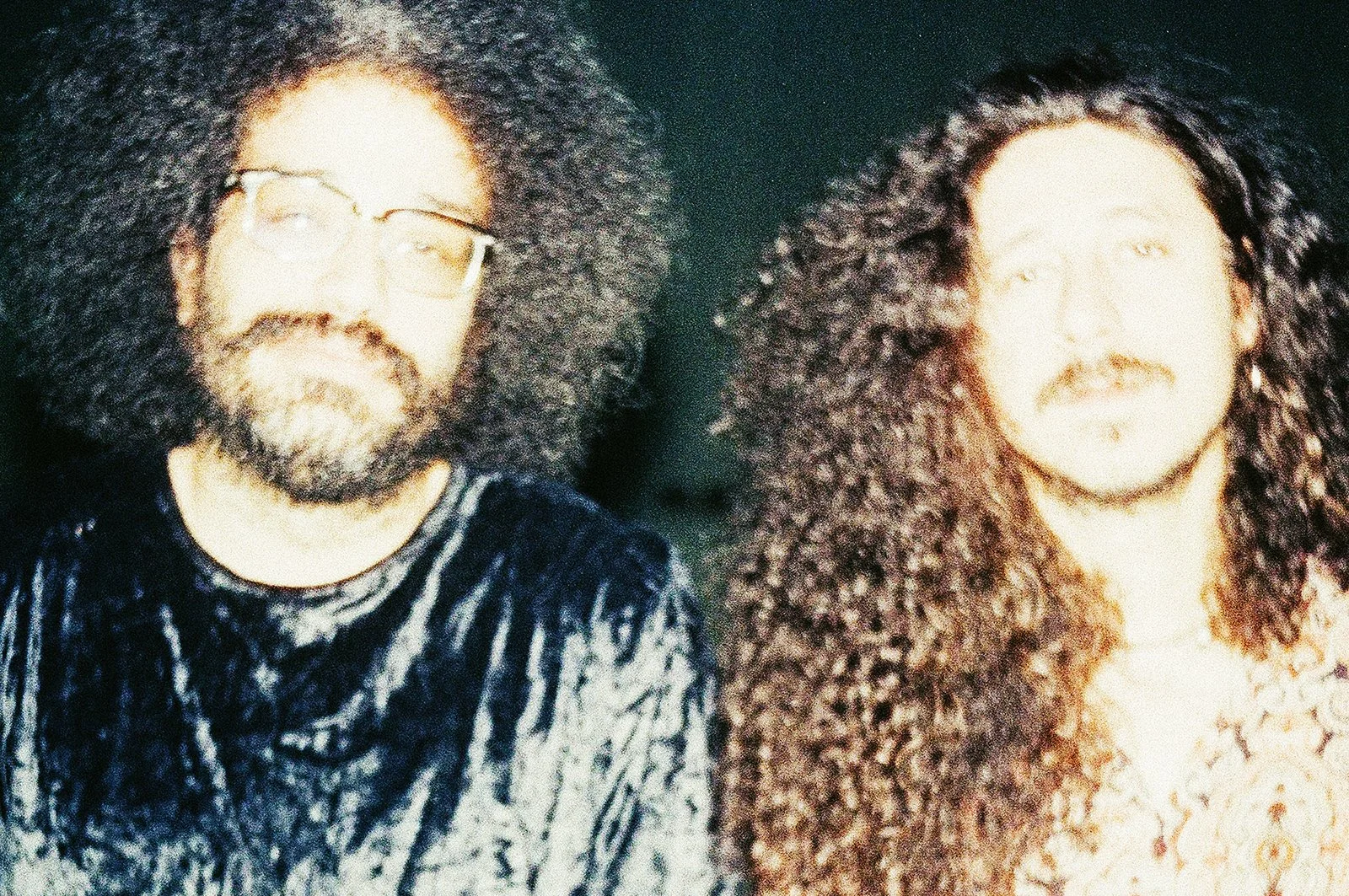
Photo credit: Ivi Maiga Bugrimenko
Anyone you'd like to thank?
Yeah, thank you for this interview! And well, a huge thanks to our partners in Neurot Recordings, Test, Estúdio Jukebox, Ricky and Swamp Booking, and to everyone who's been following and supporting us over the years, it's been a long road and it really means a lot and gives us strength to keep it going. Much love always.